Author: admin

  • How Tanzanian Suppliers Help with Spare Parts & Repairs?

    How Tanzanian Suppliers Help with Spare Parts & Repairs?

    Within Tanzania’s business and industrial sector, good quality spare parts and repair facilities are key to keeping machinery, vehicles, and equipment running. Both businesses and individuals depend on Tanzanian suppliers to offer minimal downtime and maximum output. This is especially true for power equipment, construction equipment, transport vehicles, and manufacturing operations. In this blog, we explain how Tanzanian suppliers help facilitate repairs & spare parts to ensure uninterrupted operations of critical equipment and aid the country’s emerging economy.

    Adopting the Role of Spare Parts in the Continuity of Operations

    Spare parts are the dynamic that drives maintenance and repair services. All commercial or industrial equipment, from diesel generators to excavators, is founded on components that wear out over time. The availability of original, quality components ensure these machines operate safely and smoothly.

    Tanzanian suppliers form an integral part of this setup. By helping supply spare parts of all kinds and models, they provide backing to prevent delays in operations. Local suppliers have become the go-to places for spare parts in Tanzania for generators, engines, compressors, or farm machines.

    How Tanzanian Suppliers Enable On-The-Spot Supply of Spare Parts

    The most significant way Tanzanian suppliers help is by reducing the wait time for ordering parts abroad. Importing spare parts can be expensive and time-consuming, especially with delays at customs and shipping disruptions. Local suppliers stock commonly used parts, so companies can easily get the needed parts.

    Most Tanzanian suppliers work closely with producers and international distributors to maintain a constant inventory level. They often forecast patterns of demand and maintain high-turnover items on hand. This forward-looking approach lessens downtime for their clients and enhances the stability of their services.

    Repair Services: Expertise and Local Knowledge

    Besides spare parts supply, Tanzanian suppliers also offer repair services as part of their service package. Skilled, hands-on experts with expertise in repairing everything from generators to industrial pumps are valuable assets. They are cognizant of the local environment and conditions—dust, heat, and unstable power supply—impacting machine performance in Tanzania.

    Most of the suppliers have fully equipped service workshops where they carry out diagnostics, repairs, and maintenance. Others even offer on-site services, especially in the instance of heavy equipment that is hard to transport. This is very useful for locations in rural or outlying regions where service centers are not easily accessible.

    Supporting Power Requirements: The Importance of Generator Repairs

    Growing power solution needs in Tanzania have led to the increased utilization of diesel and petrol generators alongside domestic, commercial, and industrial use. Generators serve as backup power, particularly when an unstable power supply is needed. However, generators require periodic maintenance and occasional repairs to operate optimally like any other mechanical machine.

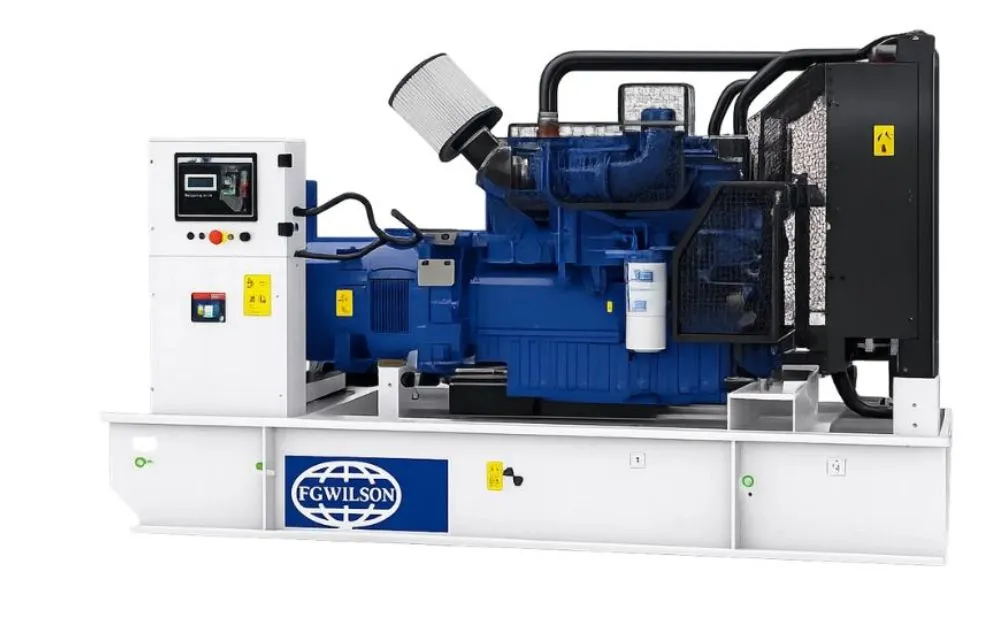
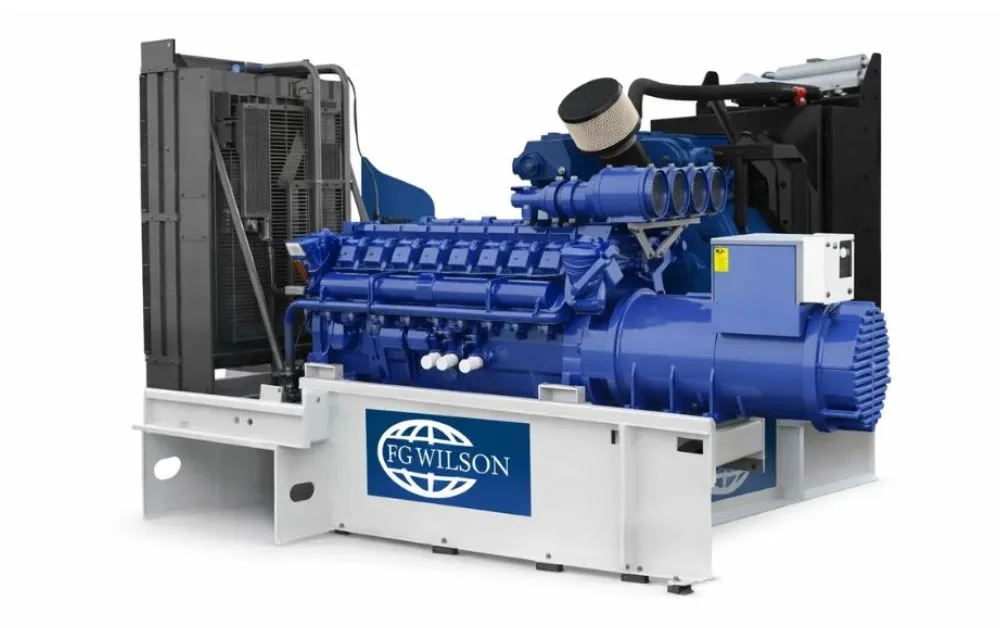
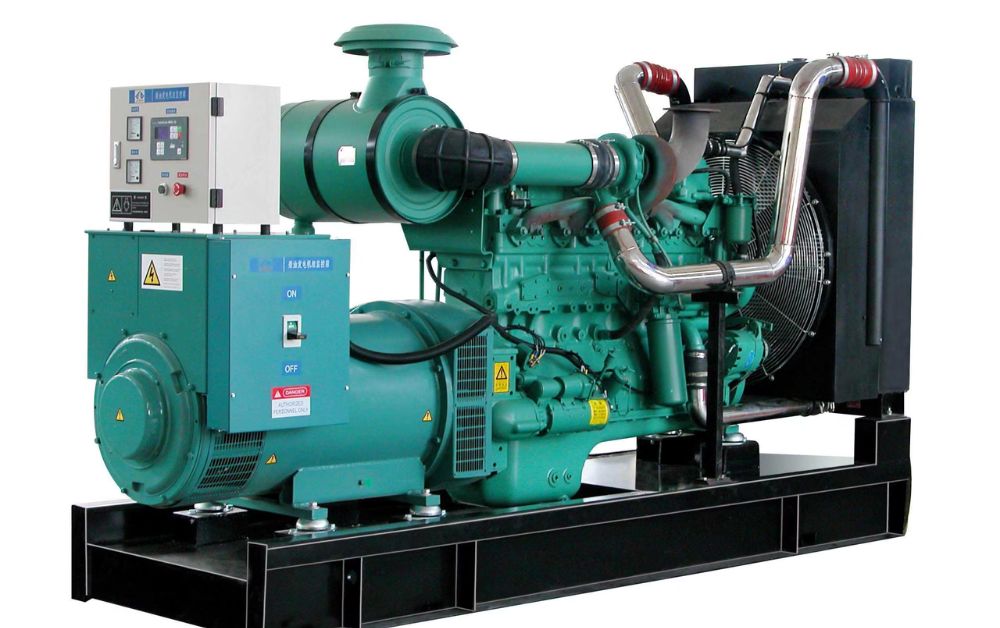
    This is where Tanzania Generator Suppliers are helpful. They supply new generators and spare parts such as filters, fuel injectors, voltage regulators, and control panels. More importantly, they provide maintenance and repair services to ensure that backup power systems remain reliable.

    With skilled technicians and access to the company manual, these suppliers maintain extended generator lifespan and prevent sudden breakdowns. Most also offer organizations annual maintenance contracts (AMCs) so that generators are serviced at regular maintenance intervals.

    Find out more-Why Tamgo is the Leading Diesel Generator Supplier in Tanzania?

    Tailor-Made Solutions for Various Industries

    Tanzanian manufacturers provide various industries, including construction, mining, agriculture, healthcare, telecommunication, and manufacturing. These industries have unique equipment requirements, and businesses specialize in niches to meet their clients better.

    For example, in the farm sector, distributors can stock tractors’ spare parts, harvesters’, and irrigation system’s spare parts. In the medical industry, they can trade in power backup systems and repair medical equipment. This application-based method allows customers to get suitable parts and training for their specific applications.

    Creating Trust through After-Sales Support

    Another way Tanzanian suppliers support spare parts and maintenance is through their commitment to after-sales service. Unlike single sellers, legitimate suppliers make long-term deals with their customers. They offer guarantees and installation support and teach users about maintenance practices.

    Good after-sales service builds customers’ trust and reduces opportunities for future failures. Being present and accessible, Tanzanian suppliers allow firms to offer continuity of operations and reduce maintenance expenses in the long run.

    Local Availability and Economic Growth

    The presence of reliable suppliers in Tanzania benefits individual enterprises and the economy. It reduces reliance on imports, promotes domestic employment of technical services, and encourages the development of local manufacturing and assembling industries.

    By maintaining equipment in operational and productive condition, such suppliers allow businesses to complete projects within schedule, keep contracts, and avoid monetary losses attributed to downtime. This has a positive carry-over effect in industries and contributes to the nation’s industrialization and infrastructure development goals.

    Conclusion

    In brief, the Tanzanian suppliers’ role in mediating spare parts & repairs highlights their central role in propelling many industries. From making timely access to genuine spare parts possible to providing quality repair services, these suppliers are critical to Tanzania’s economic machinery.

    Generator suppliers in Tanzania are valuable partners to those relying on generators and power equipment. Their value proposition is greater than sales of their products—they are consultants and service providers who can ensure smooth operation and business continuity. With rising demand for efficient and sustainable operations, the demand for local spares and repair suppliers will rise even higher.

  • The Role of Solar Water Pumps in Climate-Resilient Farming

    The Role of Solar Water Pumps in Climate-Resilient Farming

    Agriculture is one of the most climate-exposed sectors of the world with climate change. Whether it is uneven rain or persistent drought, farmers struggle to maintain productivity. Climate-resilient agriculture is no longer an option to ensure livelihood and food security. One of the technological revolutions that has been emerging as a game-changer in this regard is the solar water pumping system. Using the sun’s energy, such systems are an affordable, climate-friendly, and sustainable way of irrigating crops and, hence, a leading force in the global transition towards climate-resilient agriculture.

    Introduction

    Agriculture has always been intricately tied to the weather, yet the accelerating pace of climate change has more than doubled uncertainty in rainfall, temperature, and water availability. These alterations decrease crop yields and threaten the lives of millions of smallholder farmers, especially in developing nations. The agricultural sector is transforming by adopting revolutionary technologies like solar power to address these issues. Among them, solar water pumping systems have been a game-changer for efficient irrigation without increasing environmental impact.

    In this blog, we talk about the use of solar water pumps for climate-resilient agriculture, how they make farming sustainable, and why they are an investment for the future of farmers worldwide.

    The Growing Need for Climate-Resilient Agriculture

    Climate-resilient agriculture can adapt to climate variability, reduce greenhouse gas emissions, and enhance sustainability. Water availability is a crucial aspect of resilience. With traditional water sources no longer as dependable due to changing rain patterns, farmers are increasingly turning to other options to offer stable irrigation.

    Diesel and electric pumps have been the common ones used for groundwater pumping for irrigation because both have their shortcomings. Diesel pumps are costly to operate and emit poisonous gases, and electric pumps are grid supply dependent, which might not always be available or reliable in remote areas. Solar water pumping systems answer these needs here — yielding autonomy, inexpensive operation, and a clean power source.

    What are Solar Water Pumping Systems?

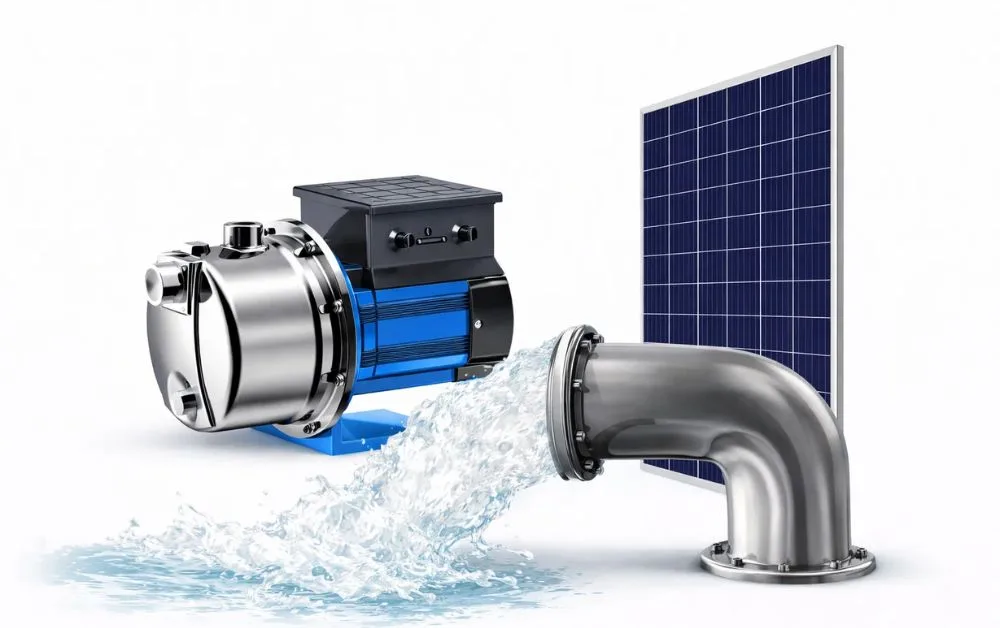
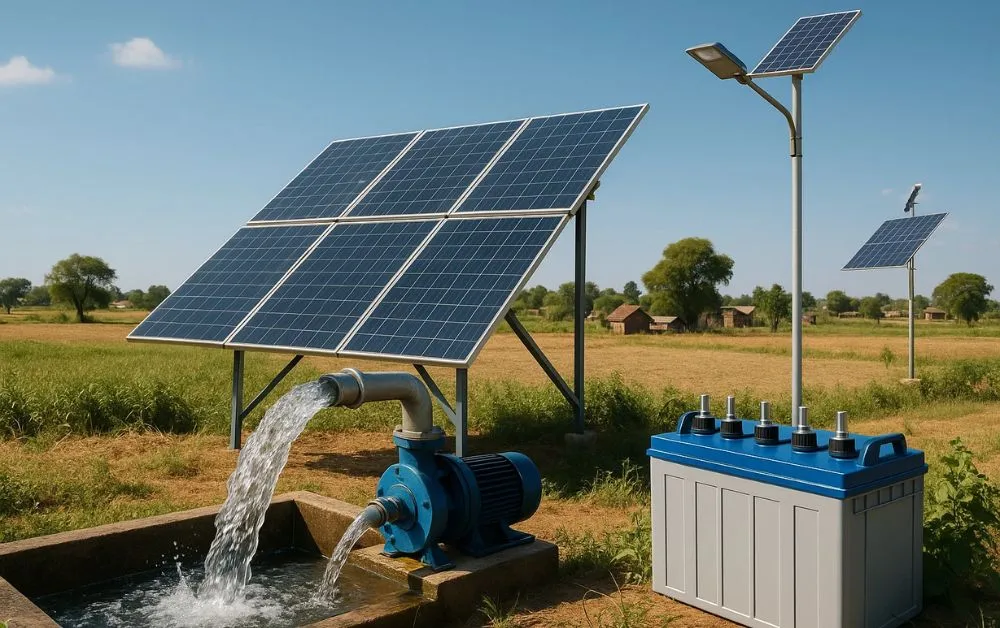
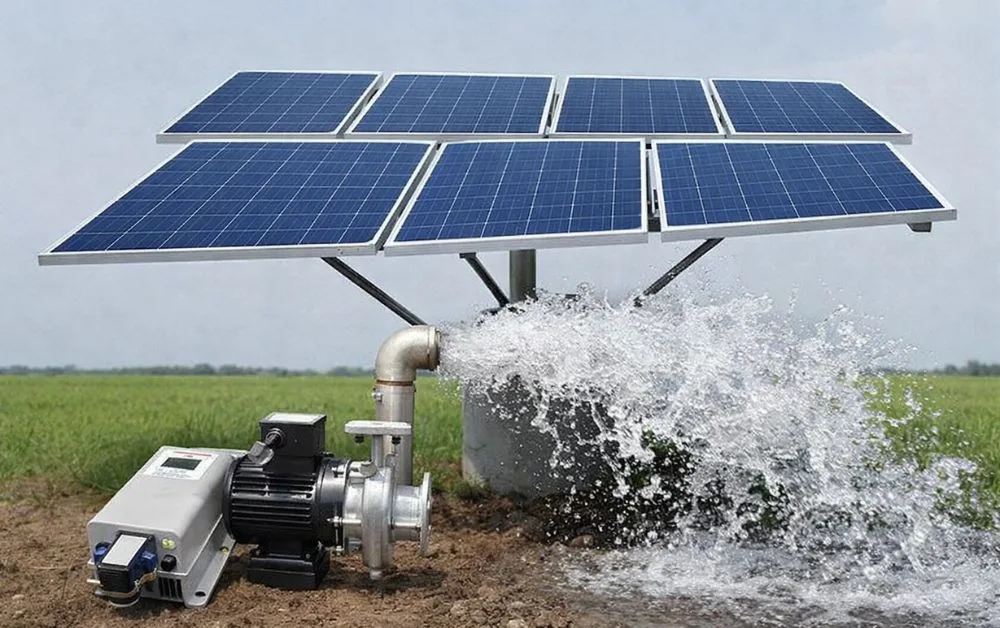
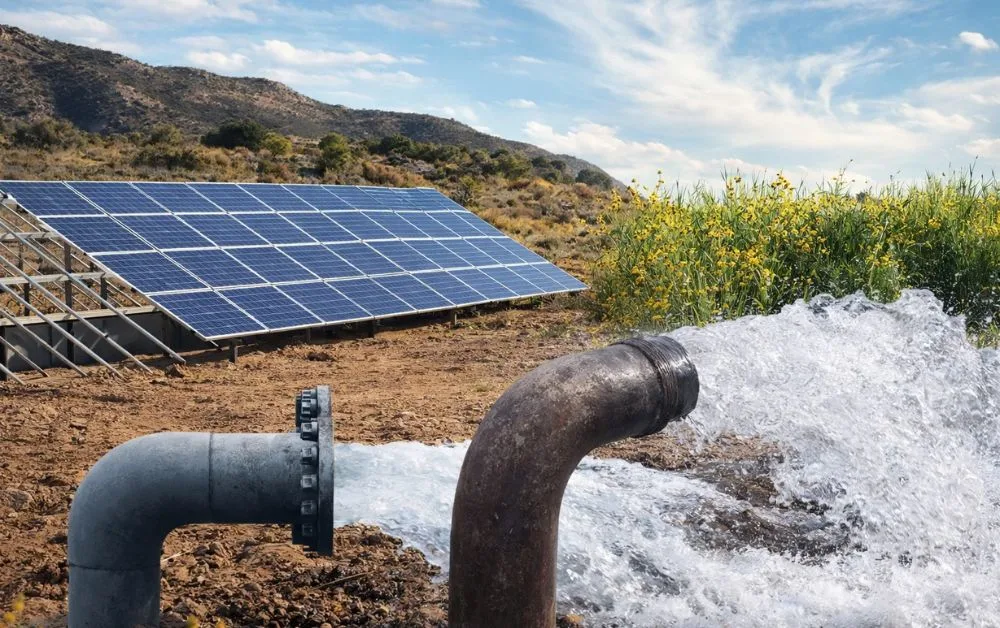
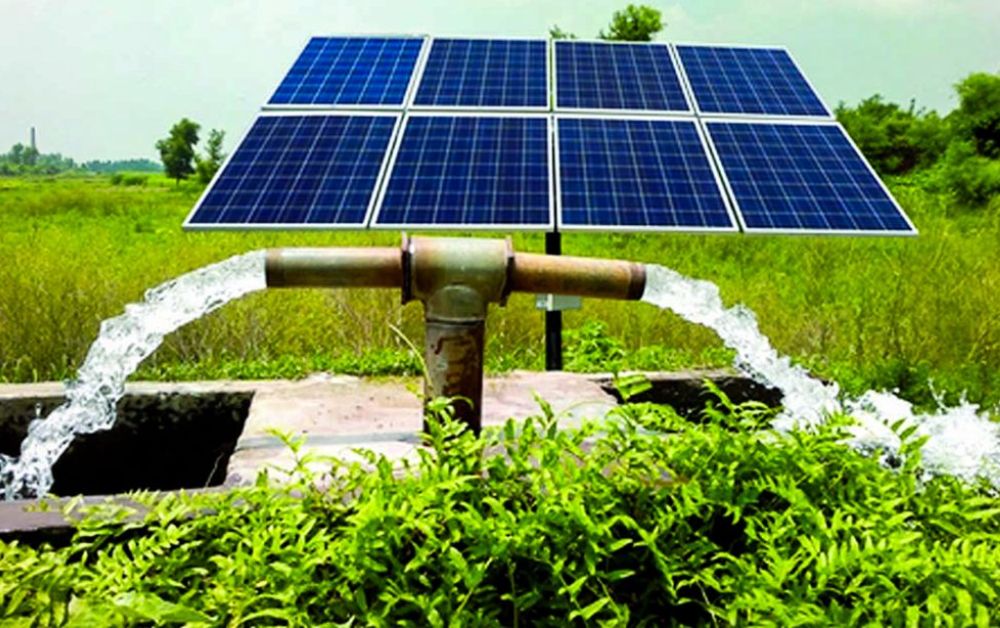
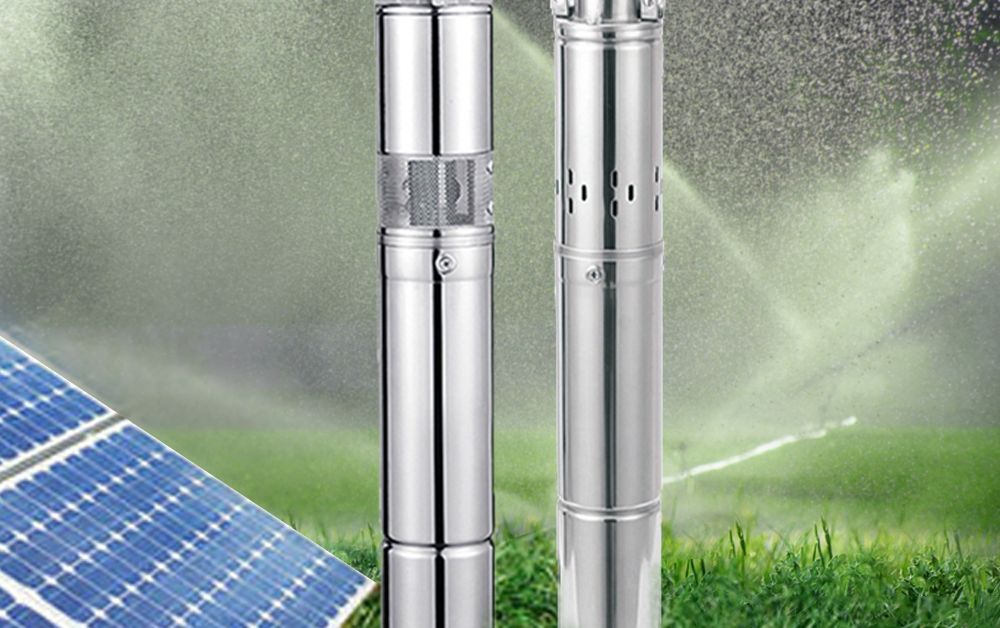
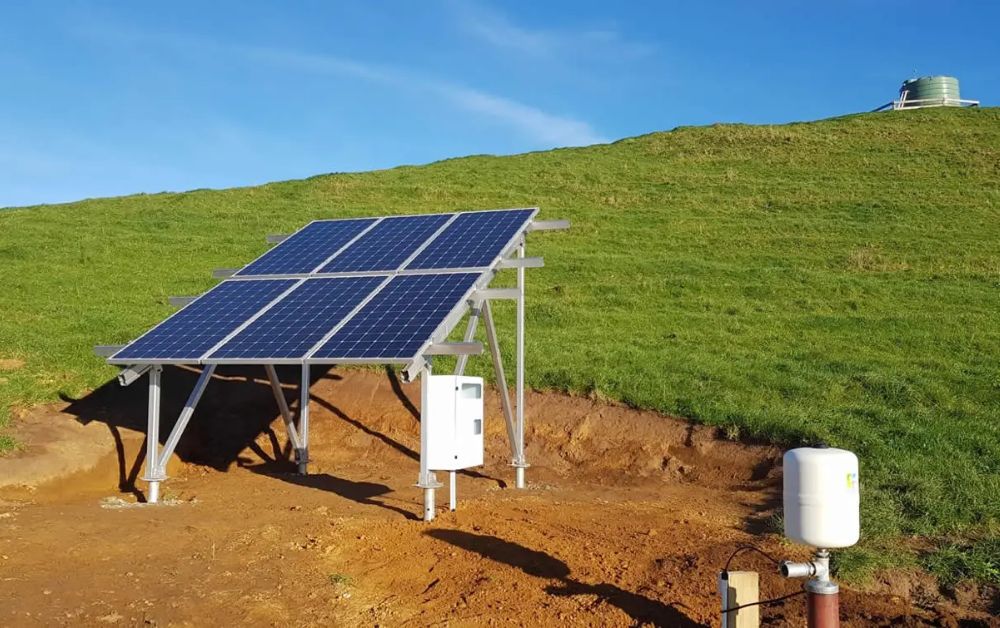
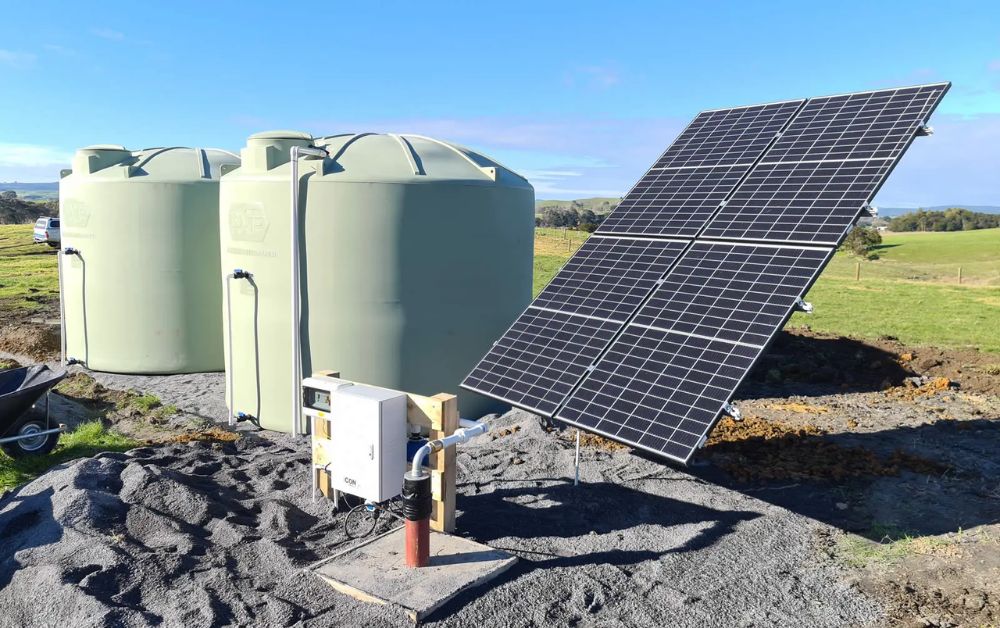
    Solar water pumping systems use solar power from sunlight using photovoltaic (PV) panels and supply electricity to power a motor for pumping water from wells, boreholes, rivers, or storage tanks. Depending on the water source and depth, they can be submersible or surface.

    The key components typically include:

    • Solar PV panels
    • Pump controller/inverter
    • Electric motor
    • Water pump
    • Storage tank or direct irrigation setup

    These pumps are suitable for drip irrigation, sprinkler application, or direct crop watering and, hence, are highly versatile to meet the needs of different types of farming.

    Advantages of Solar Water Pumps in Farming

    Ecological Friendly

    Solar water pumps have no emissions, thus reducing agriculture’s carbon footprint. They are not fossil fuel or carbon-based grid electricity-dependent.

    Cost-Efficient in the Long Term

    Even though the upfront installation cost may be higher than that of conventional pumps, solar pumps virtually have zero running costs. Sunlight, once trapped, is free of cost, and running costs are drastically reduced.

    Reliable Water Supply

    Especially in sunny regions, solar pumps ensure consistent irrigation during the day. Such predictability guarantees consistent crop yield even during prolonged droughts.

    Low Maintenance Costs

    Compared to diesel or electric pumps, solar water pumps have fewer moving components, lower maintenance requirements, and fewer breakdowns.

    Perfect for Off-Grid Areas

    Where there is no access to grid electricity or a reliable source of fuel, solar water pumping systems provide freedom and independence, thus being perfect for off-grid rural areas. 

    Read more-Solar Water Pumping Systems vs. Conventional Pumps: Which Is Better?

    Function in Climate-Resilient Agriculture

    Solar water pumps are directly involved in assisting in climate resilience in several critical ways:

    • Water Conservation: With efficient irrigation systems like drip or sprinklers, solar pumps maximize each drop, avoiding wastage and conserving groundwater.
    • Year-Around Production: Farmers can grow crops year-round with guaranteed irrigation, increasing food security and income stability.
    • Crop Diversification: Access to reliable water encourages farmers to diversify beyond traditional rain-fed crops, reducing dependence on rain seasons.
    • Reduced Greenhouse Gas Emissions: With diesel fuel replacement, solar pumps minimize emissions, aligning with global climate goals.
    • Enhancing Smallholder Farmers: Affordable and scalable solar water pumping schemes allow small-scale farmers to become economically resilient to environmental and economic stresses.

    Government and Global Support

    Aware of the potential for solar irrigation to foster sustainable agriculture, numerous governments and global institutions are funding solar water pump adoption. Subsidies, soft loans, and technical training schemes are implemented to make the technology affordable.

    For example, programs in nations such as India, Kenya, and Ethiopia have been able to roll out thousands of solar pumps, revolutionizing the landscape of agriculture for increased resilience and productivity.

    Challenges and Considerations

    While promising, the bulk utilization of solar water pumps is not problem-free:

    • High Upfront Cost: While reducing solar panel costs, the upfront cost remains a barrier for small farmers without financing.
    • Technical Knowledge: Installation and servicing require technical knowledge, so farmers’ training and support are essential.
    • Risk of Over-Abstraction of Groundwater: If proper water management is not done, over-reliance on pumping can lead to aquifer depletion, especially in water-scarce regions.

    Policy, community, and integrated water management interventions aimed at these issues are key to achieving the full potential of solar water pumping systems.

    Conclusion

    The use of solar water pumps in climate-resilient agriculture is not just using clean energy — it’s developing a sustainable, food-secure future. Solar water pump systems offer a clever, scalable, and sustainable solution to one of modern agriculture’s most significant challenges: reliable access to water in a fluctuating climate.

    By integrating solar water pumping systems into agriculture systems, farmers can mitigate climate change and find new opportunities for development and self-sustenance. If policy support, affordable financing, and promotion campaigns exist, solar pumps will become the foundation of climate-resilient agricultural systems globally.

    As climate issues are becoming increasingly daunting, investment in renewable energy-based irrigation is no longer an option but a requirement.

  • Why Microfiltration Is a Key Water Treatment Process for Beverage Manufacturers?

    Why Microfiltration Is a Key Water Treatment Process for Beverage Manufacturers?

    Water is the basis of the beverage business. Water quality impacts the safety, flavor, and shelf life of the finished product, from carbonated beverages and bottled water to juices and flavored drinks. As consumers’ expectations for product purity and safety increase, so do regulatory requirements for beverage manufacturers. This has rendered advanced methods of water treatment not only desirable but obligatory. Of these processes, microfiltration is a significant water treatment process and one of particular interest in the water treatment food and beverage sector.

    Here, we discuss why microfiltration is vital to beverage manufacturers and how it ensures consistent product quality, efficient operations, and regulatory compliance.

    What Is Microfiltration

    What Is Microfiltration?

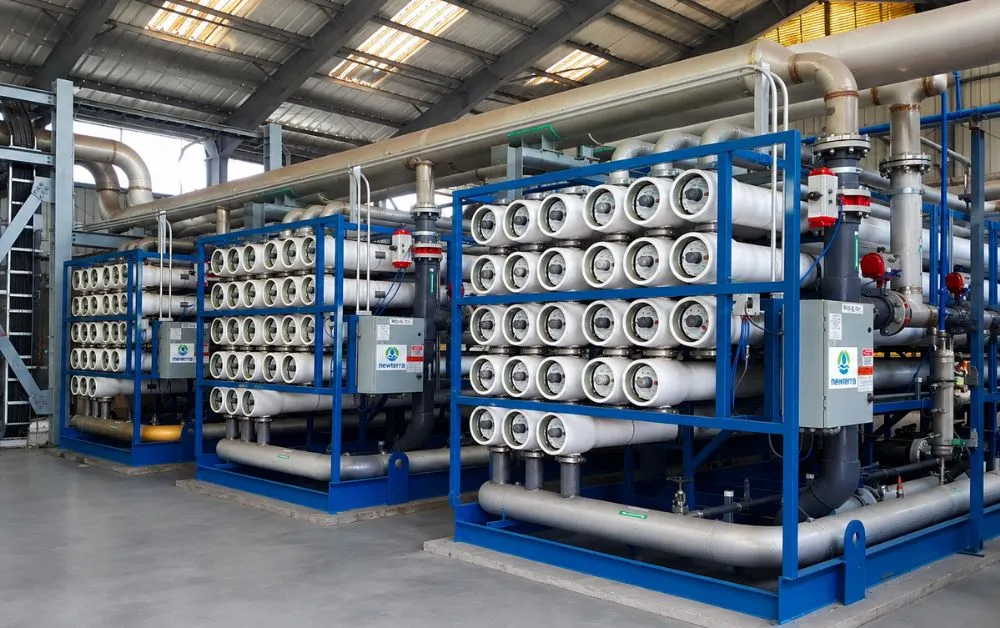
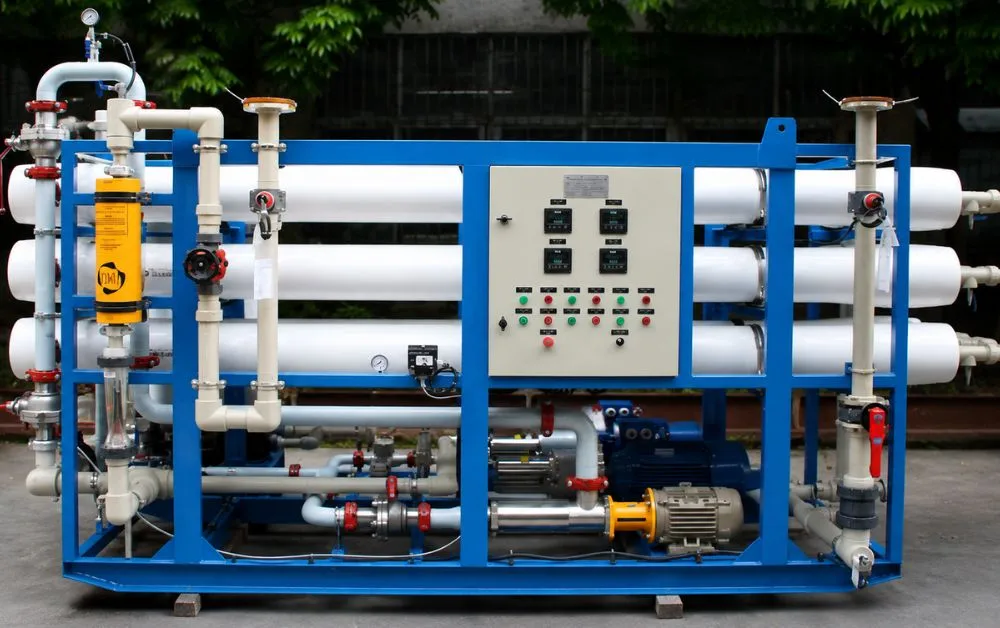
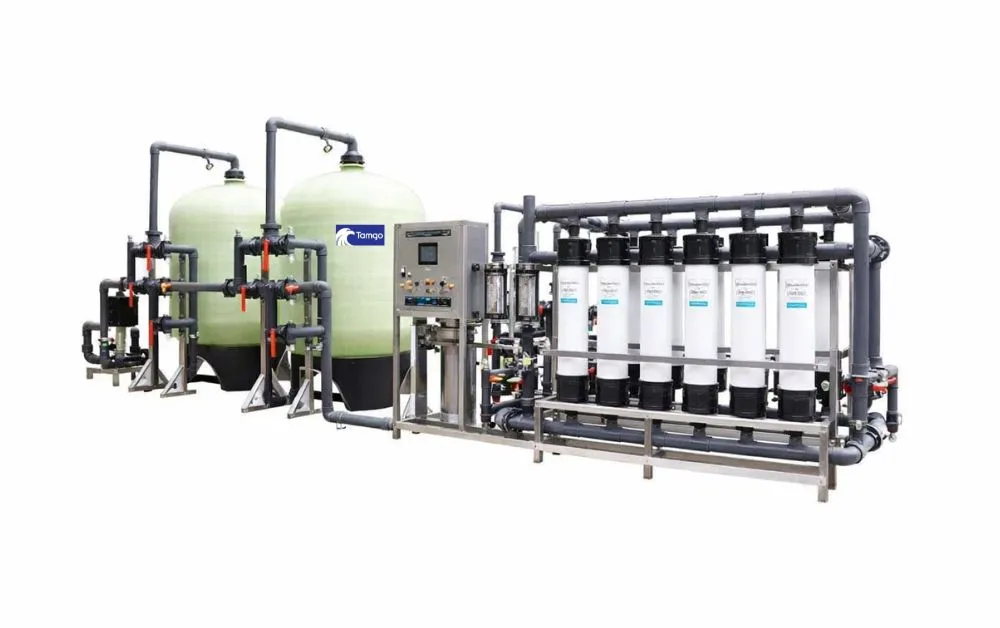
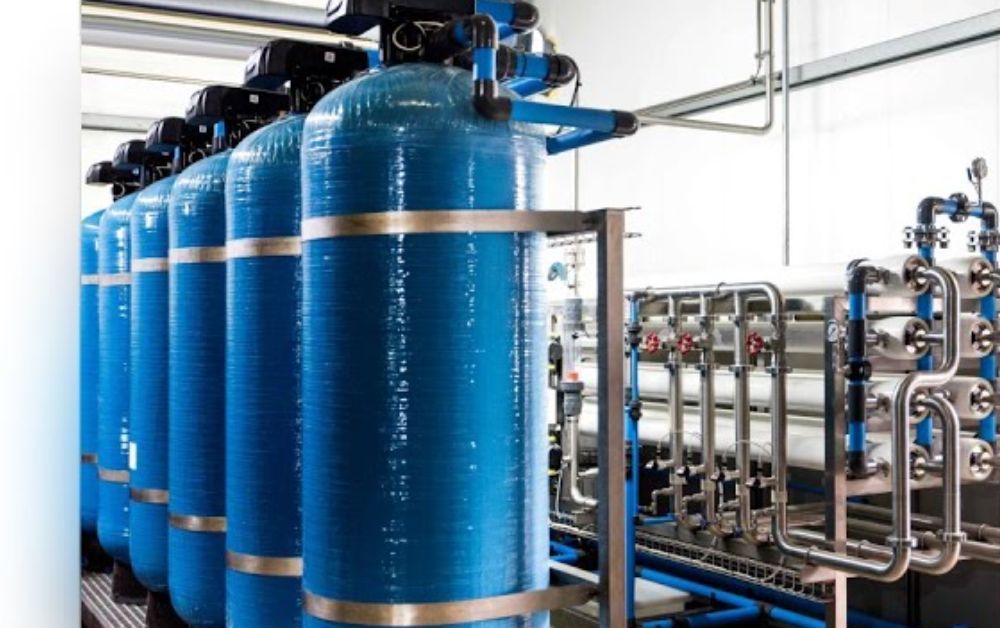
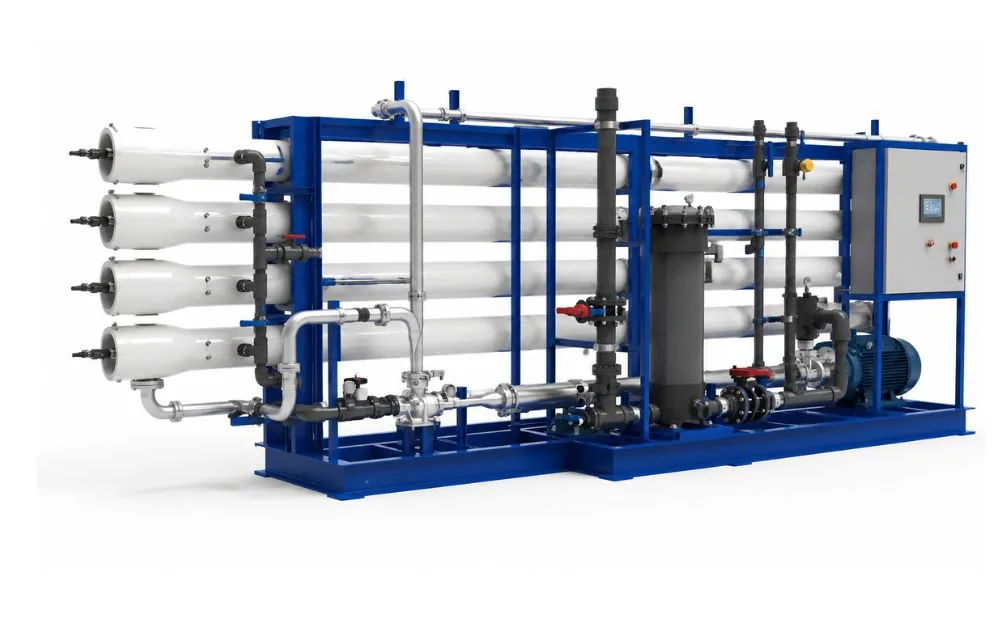
    Microfiltration (MF) is a membrane separation process that filters particles and microorganisms from liquids. Microfiltration membranes have pore sizes, usually ranging from 0.1 to 10 microns. They can thus remove suspended solids, bacteria, and certain viruses without changing the chemical composition of the water.

    Compared to other filtration techniques, such as ultrafiltration or nanofiltration, microfiltration is meant to catch bigger impurities while letting water and dissolved minerals pass. It is thus ideally suited for uses where the objective is to preserve the water’s natural taste and mineral profile and ensure it is microbiologically safe.

    The Significance of Microfiltration in Soft Drink Production

    Beverage manufacturing requires a water supply that is not only clean but also free from dangerous microorganisms and undesirable particulates. This is why microfiltration is essential to achieve this:

    1. Microbiological Safety

    One of the most significant threats in beverage production is microbial contamination. Microorganisms like Escherichia coli, Salmonella, and Pseudomonas can jeopardize product safety and lead to costly recalls. Microfiltration offers a chemical-free way of eliminating these microorganisms, making water applied in beverages microbiologically safe.

    This is especially critical in cold-fill or aseptic packaging operations, where the drink is not heat-sterilized. Here, the water should always be free from microbial contamination.

    2. Uniform Product Quality

    Consistency is paramount in the beverage market. Any deviation from water quality may result in variation in the end product’s taste, clarity, and texture. Microfiltration offers a secure means to achieve consistent, high-quality water applied in manufacturing. It eliminates particulates that have the potential to cause haze or sediment, which makes beverages clear and visually pleasing to customers.

    3. Compliance with regulations

    Regulatory agencies like the FDA and international standards organizations place strict water quality standards on beverage production. Microfiltration allows manufacturers to achieve these standards without using excessive chemical treatment. This is especially beneficial for companies wanting organic or clean-label certification.

    4. Maintaining Nutritional and Sensory Characteristics

    In contrast to other filtration systems that can leach water of vital minerals, microfiltration permits them to stay undisturbed. This is vital for bottled mineral waters and other drinks where minerals add to the taste and health value of the product. Microfiltration enables only the unwanted constituents to be removed while leaving the original taste and nutritional content intact.

    5. Environmental and Cost Benefits

    Since microfiltration is a physical process, it uses fewer chemicals than conventional water treatment processes. This not only saves operational expenses but also reduces environmental footprint, which aligns with sustainability objectives. Microfiltration systems are also frequently modular and scalable, which makes them ideal for plants of any size.

    Applications of Microfiltration in the Beverage Industry

    Microfiltration is applied at different stages of beverage manufacturing:

    • Ingredient Water Treatment: Water purification is required before it can be blended with other ingredients. Microfiltration is used to purify such water and remove contaminants.
    • Bottled Water Production: Most bottled water companies apply microfiltration to gain clarity and safety without changing the natural mineral content.
    • Flavor and Syrup Filtration: Microfiltration is applied during the production of syrups and flavors to eliminate impurities that could impact product stability and flavor.
    • Equipment Rinse Water: Rinse water for bottles, tanks, and pipes, which also receive treatment through microfiltration to avoid re-contamination of clean surfaces.

    Such applications highlight how pervasive microfiltration is in ensuring hygiene, flavor, and regulatory levels.

    Role of Microfiltration in the Water Treatment Food and Beverage Industry

    The food and beverage water treatment industry includes an array of technologies to refine water to tight quality and safety requirements. Microfiltration occupies a distinguished position in this network because it can provide high performance while leaving a low environmental impact.

    It fills the niche between simple filtration and more severe processes such as reverse osmosis, providing a cost-effective first line of defense against particulate and microbial contamination. Manufacturers of beverages that incorporate microfiltration into their water treatment processes enjoy improved control over water quality, longer shelf life of products, and increased brand confidence.

    Role of Microfiltration in the Water Treatment Food and Beverage Industry

    Conclusion

    In the continuously changing world of beverage manufacturing, safety and quality are not to be compromised. Microfiltration is a significant water treatment process because it offers a reliable, chemical-free process of eliminating undesired particles and microorganisms from water without modifying its critical properties.

    Microfiltration is a wise investment for producers wanting to meet industry standards, satisfy customers, and maintain sustainability values. Within the water treatment food and beverage industry, it has become a foundation technology that facilitates operational excellence and consumer satisfaction in equal measure.

    By adopting microfiltration, drink manufacturers enhance their product integrity and place themselves at the leading edge of innovation and responsibility in a competitive market.

  • How to Install and Optimize Solar Water Pumping Systems for Maximum Efficiency?

    How to Install and Optimize Solar Water Pumping Systems for Maximum Efficiency?

    Solar water pumping systems have become a feasible alternative to traditional electric or diesel-powered pumps as the world’s demand for sustainable water and energy solutions grows. Solar water pumping systems provide an environmentally friendly, cost-saving, and low-maintenance solution to satisfy agricultural, livestock, and domestic water requirements in off-grid or energy-poor areas. But installing a solar water pump is not enough—you must install and optimize it properly to maximize efficiency and long-term savings.

    This blog gives an in-depth tutorial on installing and optimizing solar water pumping systems for maximum performance—from planning and installation to fine-tuning and extended maintenance.

    Knowing Solar Water Pumping Systems

    Knowing Solar Water Pumping Systems

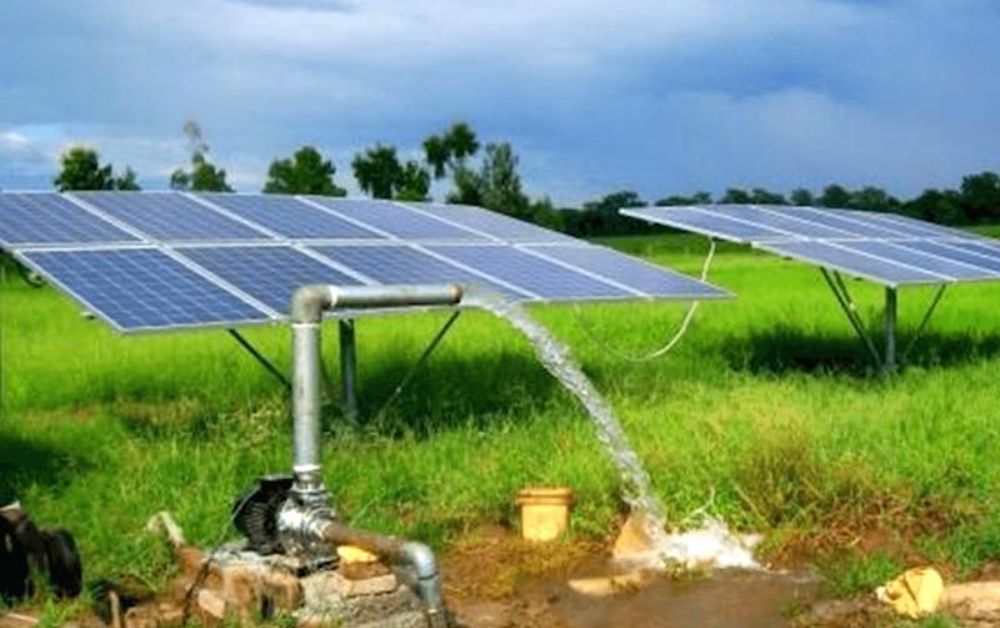
    Solar water pumping systems have four basic components: solar panels, a controller, an electric water pump (surface or submersible), and a water distribution or storage system. The solar panels turn sunlight into electrical power, which energizes the pump to extract water from sources such as boreholes, rivers, wells, ponds, or boreholes. The water is either stored in a tank or supplied directly for utilization.

    These systems have extensive applications in agricultural irrigation, rural water supply, watering animals, and even residential complexes where grid electricity is unavailable or inconsistent.

    Step-by-Step Instructions for Installing Solar Water Pumping Systems

    1. Site Analysis and Planning

    The initial step towards installing a cost-effective solar water pumping system is a complete site analysis. The following factors need to be taken into account:

    • Water Source Depth: No matter if it’s a borewell, open well, or surface water, the depth will decide the kind of pump (submersible for deep wells; surface pump for shallow sources).
    • Daily Water Requirement: Project daily water use for crops, livestock, or domestic purposes.
    • Solar Radiation Levels: Study the availability of sunlight in the area to accurately size your solar panels.
    • Topography: Assess elevation variation between the point of water supply and the point of use to calculate total dynamic head (TDH).

    2. System Design and Component Selection

    Following the site survey, choose components specific to your requirements:

    • Pump Type: Submersible pumps are most suitable for deep wells, while surface pumps suit shallow sources better.
    • Solar Panels: Select panels according to your pump’s power demand and prevailing solar irradiance levels in the area. Slightly oversizing ensures compensation during cloudy days.
    • Controller/Inverter: MPPT (Maximum Power Point Tracking) controllers enhance efficiency through the optimization of power from solar panels. 
    • Mounting Structure: Solar panels are mounted on a strong, south-facing (Northern Hemisphere) structure tilted to the same latitude as the location for maximum sunlight exposure.

    3. Installation

    • Pump Installation: Use manufacturer guidelines to install the pump securely. Place submersible pumps below water level and away from debris.
    • Solar Panel Mounting: Install panels securely with corrosion-proof hardware. Avoid shading from trees, structures, or poles.
    • Wiring and Connection: Install proper-sized, weather-resistant cables and connectors. Seal all electrical connections to avoid water entry.
    • Controller Setup: Set up the controller to control pump operation according to sunlight and water tank levels.

    Optimizing Solar Water Pumping Systems for Maximum Efficiency

    Putting the system in place is only the first step. Ongoing optimization keeps your solar water pumping systems running smoothly throughout the year.

    1. Panel Cleaning and Orientation Check

    Dust, bird droppings, or snow on solar panels can cut efficiency. Clean them once a month at least, more often in dusty conditions. Also, check that the tilt and orientation haven’t changed due to wind or external pressure.

    2. Monitor Water Levels and Flow Rates

    Monitor water levels in the source and storage tank using sensors or manual logs. Low flow could indicate pump wear, dirty filters, or low solar radiation.

    3. Seasonal Tilt Adjustment

    Seasonal variations affect the availability of sunlight. Making two adjustments every year (summer and winter) for maximum sun capture is possible. Re-sizing seasonally in extreme climates or supplementing with temporary panels could also be required.

    4. Battery Integration (Optional)

    Even though numerous solar water pumping systems function directly without batteries, incorporating a battery bank provides a means to save power for cloudy days or pumping in early mornings. Install high-efficiency deep-cycle batteries along with good charge controllers.

    5. Application of Smart Controllers

    Newer controllers provide smart options such as water-level sensing, dry-run protection, and real-time performance monitoring. Implementation of IoT-based controllers enables remote diagnosis and predictive maintenance.

    6. Preventive Maintenance

    • Check wiring and connectors for corrosion or wear.
    • Verify motor temperature and noise for any deviations.
    • Filter cleaning regularly to prevent clogging.
    • Lubricate mechanical parts according to the manufacturer’s guidelines.

    Advantages of Efficient Solar Water Pumping Systems

    Maximizing your solar water pumping systems provides several long-term advantages:

    • Energy Cost Savings: Solar pumps run automatically after installation without incurring recurring fuel or electricity expenses.
    • Low Environmental Impact: The systems minimize the use of fossil fuels and lower carbon emissions.
    • Better Water Management: Sensor-based, automated systems prevent over-pumping and wastage of water.
    • Reliability: Solar water pumps can operate effectively under sound installation and maintenance conditions for 15–25 years.
    • Scalability: Systems can be easily scaled up by increasing the number of panels or replacing the pump with a bigger one as water demand rises.
    Advantages of Efficient Solar Water Pumping Systems

    Conclusion

    Installing and optimizing solar water pumping systems is an excellent move toward sustainable water and energy management. Following a properly laid-out installation procedure and incorporating frequent optimization practices ensures that these systems provide high efficiency and reliability over the long run. As a farmer wishing to irrigate your crops or as a homebuyer seeking a greener way of life, investing in well-designed solar water pumping technology is a future-proof decision that makes sense.

  • How Generator Suppliers Are Supporting Businesses in Tanzania with Emergency Power Solutions?

    How Generator Suppliers Are Supporting Businesses in Tanzania with Emergency Power Solutions?

    Introduction

    Power reliability is a vital issue for businesses throughout Tanzania. From factories and hospitals to shopping centers and hotels, an unexpected power outage can cause significant disruptions, loss of revenue, and compromised safety. In response to these challenges, Generator Suppliers in Tanzania have emerged as key partners, providing reliable emergency power solutions that keep businesses running smoothly. This blog explores these suppliers’ crucial role in ensuring operational continuity, boosting productivity, and supporting economic growth across various sectors in Tanzania.

    The Challenge of Power Instability in Tanzania

    The Challenge of Power Instability in Tanzania

    Like many developing nations, Tanzania faces persistent electricity supply challenges. The national grid frequently suffers blackouts due to old infrastructure, maintenance problems, or bad weather. These outages can have severe consequences for businesses. For example, manufacturers can experience production shutdowns, supermarkets can risk spoilage of perishable items, and hospitals can risk lives due to the loss of vital life-support systems. With these stakes at heart, the need for reliable emergency power solutions has never been higher.

    The Tanzanian Generator Supplier’s Role

    Generator suppliers in Tanzania are filling the power gap. These suppliers have a variety of generator models, ranging from small retail shop portable units to industrial-sized machines for commercial complexes and factories. The suppliers know the local energy environment and customize their products to suit the particular requirements of various business segments.

    Personalized Power Solutions

    One of the main ways generator suppliers assist businesses is by providing bespoke solutions. They start by making a detailed evaluation of each client’s power needs, scale of operation, and industry requirements. Depending on this evaluation, they suggest generators with the right capacity and functionality. If a business requires a standby diesel generator or a hybrid setup with integration from renewable energy sources, the suppliers deliver efficient and economical solutions.

    Installation and Commissioning Services

    Support does not stop at the sale point. The majority of Generator Suppliers in Tanzania provide complete installation and commissioning services. They properly integrate the generator into the company’s infrastructure and perform extensive testing to ensure functionality and reliability. This comprehensive service reduces downtime and brings peace of mind to business owners.

    Maintenance and After-Sales Support

    Generators, like all machinery, require regular maintenance to function optimally. Reputable suppliers offer scheduled maintenance packages, including oil changes, filter replacements, and performance checks. They also provide 24/7 emergency repair services to address any unexpected issues promptly. Such after-sales support is crucial in preventing long-term operational disruptions.

    Rental Services for Temporary Needs

    Not every business needs a permanent generator solution. Event, seasonal, or occasional construction projects can benefit from the flexibility generator rental services offer. Suppliers offer high-quality, well-maintained units on short- or long-term rental agreements, providing businesses with the required power without a large initial outlay.

    Certain generator suppliers extend further by providing business staff with training programs. During these sessions, employees are trained on the simple generator operation, everyday troubleshooting, and safety protocols. Not only does this increase the level of user confidence, but it also minimizes the risk of misuse and machine failure.

    Facilitating Key Industries

    Generator Suppliers in Tanzania are playing a significant role in a variety of industries:

    • Healthcare: Clinics and hospitals depend on backup power for functioning life-sustaining equipment. Suppliers provide them with automatic on-switching generators during power outages.
    • Manufacturing and Processing: Seamless production requires a steady power supply. Generators at industrial levels supplied by vendors keep processing units and assembly lines running.
    • Retail and Hospitality: In the case of supermarkets, hotels, and restaurants, power outages cause customer inconvenience and loss of goods. Generator vendors ensure such organizations keep their operations running uninterruptedly.
    • Construction and Mining: Off-grid sites are devoid of grid supply. Portable, robust generators from vendors ensure work runs smoothly without delay.

    Economic and Environmental Impact

    Generator Suppliers in Tanzania indirectly contribute to employment and economic growth by powering businesses. With fewer power-related disruptions, companies can keep productivity high, deliver on time, and stay competitive. Moreover, some suppliers are adopting green technologies by providing generators with reduced emissions and fuel consumption, supporting Tanzania’s sustainability initiatives.

    Adopting Technological Innovations

    New generators have intelligent features such as remote monitoring, load management, and solar panel or battery compatibility. Top generator providers are introducing these technologies to the Tanzanian market, enabling companies to maximize energy consumption, lower costs, and reduce their carbon footprint. By keeping pace with international trends, these providers ensure their customers reap the benefits of the most advanced power generation technology.

    Government and NGO Collaboration

    Other generator providers collaborate with government institutions, NGOs, and relief organizations to offer emergency power to rural hospitals, schools, and disaster relief teams. Such partnerships are vital in enhancing public services and increasing infrastructure resilience in marginalized communities.

    Government and NGO Collaboration

    Conclusion

    In a world where power reliability cannot always be assured, generator suppliers in Tanzania are emerging as indispensable partners for companies. With their end-to-end services, from customized generator selection and expert installation to maintenance, training, and innovation, businesses can safeguard their operations and concentrate on expansion. As the Tanzanian economy grows, such suppliers’ role will become increasingly important in ensuring energy security and business continuity throughout the country.

  • The Role of Solar Water Pumps in Enhancing Water Conservation and Improving Efficiency

    The Role of Solar Water Pumps in Enhancing Water Conservation and Improving Efficiency

    Introduction

    Water conservation and energy efficiency are two of the most critical issues of our time. With the increasing population of the world and climate change affecting water resources, there is a need for innovative and sustainable technologies to provide access to water while maintaining environmental equilibrium. Solar water pumping systems are one such technology. These systems emphasize using solar power to irrigate water for farming, household, and commercial use. By reducing reliance on traditional energy sources and advocating for water conservation practices, solar water pumps are revolutionizing rural development and green resource management.

    Understanding Solar Water Pumps

    Understanding Solar Water Pumps

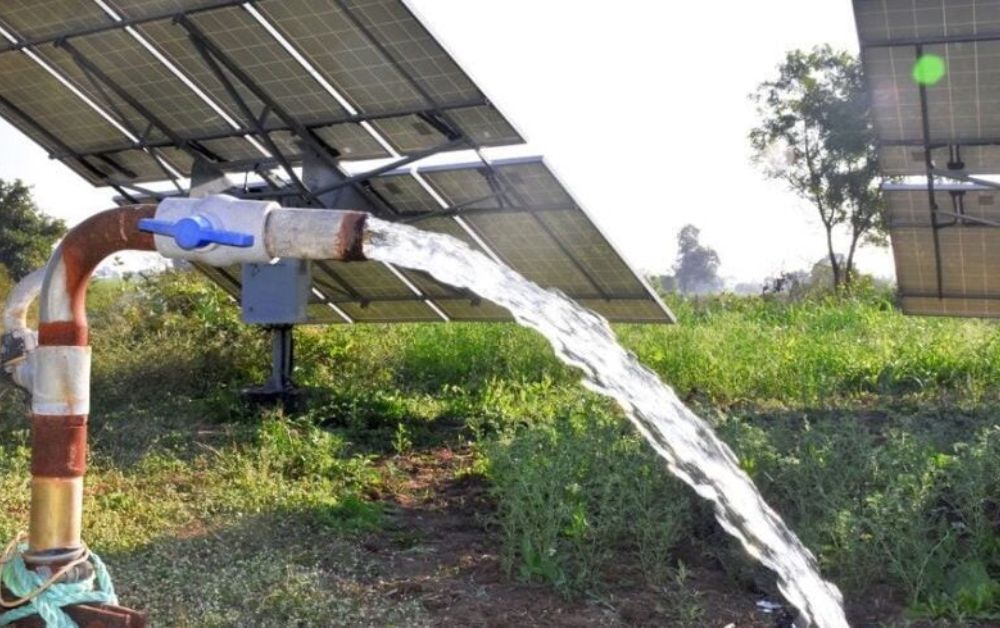
    Solar water pumps utilize photovoltaic (PV) panels to transform the sun’s light into electricity, which drives a motor to push water from wells, boreholes, rivers, or other water sources. The pumps are in two categories: surface pumps (for shallow water sources) and submersible pumps (for deeper water sources). In contrast to conventional pumps that use diesel or grid power, solar water pumps are not dependent on fossil fuels and are cost-saving and eco-friendly.

    Water Conservation through Solar Water Pumping Systems

    Solar water pumping system deployment is central to water conservation in several ways. First, they can be combined with precision irrigation technologies like drip or sprinkler irrigation, which provide water directly to the roots of plants and minimize water loss by far compared to flood irrigation.

    Secondly, since solar water pumps usually function during the daytime, they promote more mindful water consumption. Farmers and consumers become more aware of water usage habits, frequently rescheduling irrigation to correspond with maximum sunlight hours. Not only does this guarantee maximum utilization of solar power, but it also averts over-exploitation of groundwater.

    Where water is a limited resource, the capacity to manage and control water extraction effectively is essential. Solar water pumps can be fitted with intelligent controllers that regulate water supply automatically depending on real-time demand and climatic conditions. This avoids excess use, maintains water availability for extended periods, and ensures long-term water source sustainability.

    Energy Efficiency and Cost Savings

    One of the most significant strengths of solar water pumping systems is their energy efficiency. Energy loss, volatile costs, and maintenance issues plague conventional pumps run on diesel engines or electricity networks. Solar pumps, on the other hand, provide a clean and stable power source with low operational expenses.

    After installation, solar water pumps involve minimal maintenance and no recurring fuel cost. This considerably slashes the long-run operating cost to users, especially in distant and off-grid communities. These cost savings can be revolutionary to smallholder farmers, as they can divert funds into good agricultural inputs or increase the extent of land farmed.

    Additionally, the effectiveness of solar-powered systems leads to a reduction of greenhouse gas emissions. One solar water pump can save tens of tons of CO₂ every year by substituting diesel-powered pumps, helping in climate change mitigation while increasing water supply reliability.

    Enhancing Agricultural Productivity and Livelihoods

    The effect of solar water pumping systems goes beyond water savings and energy efficiency. The systems can directly increase agricultural production by offering a constant and uninterrupted water supply, independent of weather or power grid availability. This implies that farmers can grow crops year-round, including during periods of drought, thereby leading to enhanced harvests and better food security.

    Solar pumps also minimize the physical workload on people, especially women and children in rural communities, who may have to collect water from faraway sources. By locating water closer and making it easier to access, these systems release time for education, income activities, or community participation.

    The scalability of solar water pumps also translates into their ability to fund community-based projects like cooperative agriculture or collective irrigation programs. This encourages cooperation, enhances resource utilization, and promotes equitable rural development.

    Challenges and Opportunities

    While they have many advantages, some challenges are attached to the widespread use of solar water pumping systems. The upfront capital expense may be a stumbling block, particularly for poor communities. While long-term savings are high, initial financing is not always readily accessible. Governments, NGOs, and development organizations must hence take the lead in providing subsidies, grants, or low-interest loans to stimulate adoption.

    Also, technical knowledge and awareness are still scarce in most areas. To achieve maximum benefits, users must be well-trained in system operation, maintenance, and water management practices. Local capacity building and continuous support efforts are critical to ensuring the sustainability of these systems.

    On the opportunity side, converging solar pumps with IoT (Internet of Things) and mobile technology opens up thrilling possibilities. Remote monitoring, predictive maintenance, and data-driven irrigation planning are all new trends that improve system performance and user convenience. With further advancements in solar panel and battery technologies, the efficiency and cost-effectiveness of solar water pumping systems are likely to improve even more.

    Challenges and Opportunities

    Conclusion

    In summary, solar water pumping systems are critical in promoting water conservation and efficiency in many sectors, notably agriculture. The systems enhance environmental objectives, economic growth, and social welfare by providing low-cost, sustainable, and reliable means of water access. Their combination with advanced irrigation methods and intelligent technologies further enhances their contribution. Although there are challenges, the advantages of solar water pumps significantly outweigh the disadvantages and are an essential part of global sustainable water and energy solutions.

    As the world continues to face water scarcity and energy issues, investing in and increasing the utilization of solar water pumps provides a pragmatic, scalable, and future-proof solution.