Author: admin

  • What Challenges Do Businesses Face When Implementing Power Solutions?

    What Challenges Do Businesses Face When Implementing Power Solutions?

    In Tanzania, reliable electricity is a must for businesses of all sizes, from manufacturing plants to office spaces. Without consistent power, operations can grind to a halt, affecting productivity and growth. However, implementing effective power solutions isn’t always smooth sailing. There are several challenges that businesses often face—technical, financial, and logistical—that can impact their energy strategies. Understanding these challenges aids businesses choose the right power solutions for long-term efficiency.

    High Initial Investment Costs

    One of the biggest hurdles businesses faces when adopting advanced power solutions is the upfront cost. Whether it’s installing solar panels, setting up hybrid systems, or investing in diesel generators, the initial investment can be significant. For small and medium-sized businesses, this can be a major financial strain.

    While these systems typically offer long-term savings & reliability, the initial expense might discourage businesses from making the switch. It’s important for businesses to look at the return on investment (ROI), explore financing options, or take advantage of government incentives and leasing models to make the transition more affordable.

    Unreliable Grid Infrastructure

    Even though Tanzania is making strides in improving its national grid, power inconsistencies remain an issue in some areas. Frequent outages, voltage fluctuations, and limited grid capacity can disrupt day-to-day operations—especially in industries like manufacturing, healthcare, and hospitality. As a result, businesses often have to rely on backup generators or hybrid systems, which add complexity and cost.

    When working with grid limitations, it’s crucial to plan ahead. A proper energy assessment can help determine peak loads, backup requirements, and ways to integrate renewable energy to keep operations running smoothly.

    Technical Complexity and Integration

    When it comes to implementing advanced power solutions, things can get tricky. Hybrid systems—those that combine solar power, battery storage, and generators—require careful integration to work efficiently. If not set up properly, businesses could experience issues like energy losses, system inefficiencies, or frequent maintenance.

    This means investing in skilled technicians and making sure the system is designed correctly from the start. Ongoing monitoring and partnering with experienced service providers can aid ensure everything runs smoothly and that the system remains efficient long-term.

    Maintenance and Reliability Concerns

    Like any technology, power systems require regular maintenance. Solar panels, inverters, and batteries can wear down over time, and even diesel generators need regular servicing and fuel management. Skipping maintenance can lead to unexpected breakdowns, expensive repairs, & operational downtime.

    To avoid these issues, businesses need to set up preventive maintenance schedules and train staff to keep an eye on system performance. Outsourcing maintenance to experts can also aid reduce risks and extend the lifespan of the equipment.

    Regulatory and Policy Challenges

    Tanzania’s energy regulations can sometimes be difficult to navigate. There are licensing requirements, safety standards, & environmental guidelines that businesses must comply with when implementing new power systems. And let’s not forget, policy changes or shifting tariffs could affect costs or make some systems less feasible.

    Staying up-to-date on regulations is important to avoid penalties and ensure compliance. It’s also worth exploring government incentives that support renewable energy adoption, which can help offset the financial burden.

    Explore more-What Role Do Energy Solutions Play in Industrial Development in Tanzania?

    Limited Access to Skilled Personnel

    Another challenge that businesses face is the shortage of skilled technicians who are experienced with modern power solutions. Solar systems, hybrid setups, and battery storage require specialized knowledge & expertise, which may not always be available locally.

    This shortage can cause delays, increase costs, and even lead to reliability issues if the installation isn’t done right. Partnering with reputable companies that provide technical support, training, and skilled personnel can help overcome this hurdle and ensure smooth operations.

    Environmental and Site Considerations

    The physical environment plays a big role in how well power solutions perform. Solar panels, for example, need plenty of sunlight to operate efficiently, while generators require proper ventilation & fuel storage. Space limitations in urban areas can also restrict the size of the system, and harsh weather conditions could affect equipment performance.

    Before jumping into any project, businesses should conduct a thorough site assessment to ensure they’re selecting the best system for their location. By considering these environmental factors, businesses can maximize their system’s effectiveness & minimize potential issues down the road.

    Cost of Energy Storage

    Energy storage, particularly batteries, is an important part of any renewable energy system. But battery technology can be expensive, and selecting the right capacity is critical to avoid interruptions in power supply.

    On one hand, too little storage can lead to gaps in power availability, while over-investing in storage capacity drives up costs. Businesses need to balance their storage needs with energy demand and consider potential future growth when choosing their energy storage solutions.

    Conclusion

    While there are several challenges when implementing power solutions in Tanzania, businesses can overcome them with careful planning and the right partnerships. From high initial costs to regulatory compliance and technical integration, addressing these challenges early on will help ensure that the chosen energy system delivers long-term value.

    For businesses looking for reliable energy solutions, Tamgo Tanzania Limited offers expert support in designing, installing, & maintaining hybrid, solar, and generator-based power systems tailored to industrial and commercial needs.

  • What Factors Should You Consider Before Installing Solar in Tanzania?

    What Factors Should You Consider Before Installing Solar in Tanzania?

    Solar energy is gaining popularity in Tanzania as an affordable & sustainable alternative to traditional electricity. With increasing need from homes, businesses, & rural areas, solar power offers a practical solution to the country’s energy challenges. But before diving into a solar installation in Tanzania, it’s important to consider a few key factors to make sure your system is efficient, cost-effective, & will last. Here is what you should keep in mind.

    1. Assessing Your Energy Needs

    Before installing solar, you need to understand how much electricity you use. This will help you choose the right system size and ensure it meets your needs without being too big or too small.

    What to consider:

    • List all the electrical appliances you want to power with solar.
    • Calculate how much energy you consume daily or monthly (in kilowatt-hours, kWh).
    • Think about future energy needs if you plan to grow your household or business.

    By getting a clear picture of your energy use, you will avoid over- or under-sizing your solar system, which aids optimize both cost and efficiency.

    2. Evaluating Your Site and Sunlight Availability

    Solar panels want plenty of sunlight to generate electricity. While Tanzania has great sunlight, the specific location of your system is important.

    What to check:

    • Orientation: Panels should face the equator (north in Tanzania) to get maximum sunlight.
    • Space: Make sure you have enough roof or ground space to fit all the panels you need.
    • Shading: Keep in mind that trees, buildings, or other objects can block sunlight and reduce efficiency.

    Choosing the right spot for your panels ensures that they will produce the most energy and give you the best return on your investment.

    3. Choosing the Right Solar System

    There are a few types of solar systems, & selecting the right one depends on your location, energy needs, and budget.

    • Grid-tied systems: These are connected to the national electricity grid and allow you to send excess energy back to the grid or use it when solar production is low.
    • Off-grid systems: Ideal for remote areas without a reliable grid, off-grid systems store energy in batteries & supply power continuously.
    • Hybrid systems: A mix of grid-tied and off-grid, these systems combine solar panels, batteries, & the grid for greater flexibility and reliability.

    Understanding your needs will aid you pick the right system that suits your energy situation.

    4. Determining the Right System Size and Capacity

    The size of your solar system is crucial—it dictates how much energy you’ll generate. This depends on your daily energy consumption, how much sunlight your location gets, & whether you plan to expand in the future.

    What to consider:

    • Solar panel count: Calculate how many panels you will need to cover your energy use.
    • Battery storage: For off-grid or hybrid systems, make sure you have enough battery capacity to store energy for when the sun is not shining.
    • Seasonal sunlight changes: Consider that sunlight levels vary during the year, and plan accordingly.

    Choosing the right size will ensure your system works smoothly without wasting money on unnecessary capacity.

    Related read:-How a Solar Energy Supplier in Tanzania Can Help You Save Money?

    5. Evaluating Component Quality and Warranties

    A solar system’s performance & lifespan depend largely on the quality of its components—like panels, inverters, & batteries.

    Key tips:

    • Opt for panels with high efficiency & a proven track record.
    • Check the warranties offered for panels, inverters, & batteries.
    • Ensure the components meet international standards & certifications.

    Investing in good-quality parts reduces maintenance costs & gives you peace of mind that your system will last.

    6. Budgeting and Financing Options

    Solar installation is an investment, & understanding your budget is main. The initial cost depends on the system size, type, & quality of the components.

    Things to think about:

    • Compare prices from different suppliers.
    • Look into financing options, grants, or government incentives for renewable energy.
    • Weigh the long-term savings against the upfront investment.

    Planning your budget carefully helps ensure that your solar installation is financially sustainable.

    7. Environmental and Community Considerations

    Solar energy is environmentally friendly, but you should also think about its impact on the local community & environment.

    What to consider:

    • Minimize environmental impact during installation, especially on local ecosystems.
    • Educate the community about proper use and maintenance of the system.
    • Ensure your installation complies with local regulations & renewable energy policies.

    By addressing these factors, you ensure that the installation benefits both your household or business and the surrounding community.

    Conclusion

    Installing a solar system in Tanzania is a smart investment that can provide reliable, affordable, & sustainable energy. With the right planning, solar power can contribute to economic growth, energy independence, and environmental sustainability. Tamgo Tanzania Limited gives expert guidance and reliable solar solutions to aid you make the most of solar energy tailored to your specific wants.

  • What Role Do Energy Solutions Play in Industrial Development in Tanzania?

    What Role Do Energy Solutions Play in Industrial Development in Tanzania?

    Industrial development is a key driver of economic growth in Tanzania, contributing to jobs, infrastructure, and exports. But there’s one big challenge that continues to hold businesses back: reliable energy. Without a steady, efficient power supply, industries face production delays, rising costs, & limited growth potential. That is where modern energy solutions in Tanzania come in, helping businesses scale & become more sustainable.

    Power Reliability: The Backbone of Industrial Growth

    A stable energy supply is a must for industries to function smoothly. Tanzania has long struggled with frequent power outages and fluctuating voltage, which have disrupted manufacturing, processing, & heavy industries.

    Benefits of reliable energy include:

    • Continuous production without costly downtime
    • Protection of sensitive machinery from power surges
    • Consistent product quality

    With dependable energy infrastructure, industries can plan for long-term growth & scale operations without worrying about unexpected power interruptions.

    Reducing Operational Costs

    Energy is one of the biggest expenses for industries, mainly when relying on diesel generators or inconsistent grid power. Modern energy solutions can help reduce these costs significantly.

    Key cost benefits include:

    • Use of solar, hybrid, or efficient power systems to minimize fuel consumption
    • Improved energy efficiency through smart monitoring systems
    • Reduced reliance on expensive grid electricity, mainly during peak hours

    These energy solutions aid businesses maintain profitability, even as they scale their production to meet growing demand.

    Supporting Technological Advancements

    In today’s world, industries depend on advanced machinery, automation, and computerized systems—all of which need a stable and continuous energy supply.

    Energy solutions make it possible to:

    • Use modern production technologies without interruptions
    • Improve automation and robotics for better output
    • Maintain high safety and quality standards across operations

    Without reliable power, even high-tech factories cannot operate efficiently, limiting their ability to compete in the market.

    Facilitating Industrial Expansion

    As Tanzania works to diversify its industries—moving beyond agriculture to areas like manufacturing & agro-processing—energy solutions are vital for supporting this growth.

    Key benefits for expansion include:

    • Enabling new factories to operate even in areas with weak grid infrastructure
    • Supporting industrial parks and clusters with shared energy resources
    • Allowing businesses to expand into off-grid or remote areas without compromising productivity

    Access to reliable energy opens the door for both local and foreign investments, encouraging industrial growth across the country.

    Promoting Sustainability in Industries

    Sustainability is becoming more of a priority for industries around the world, & Tanzania is no exception. Traditional energy sources like fossil fuels have a significant impact on the environment, contributing to climate change.

    Modern energy solutions promote sustainability by:

    • Using renewable sources like solar and wind
    • Reducing the carbon footprint of industrial operations
    • Helping businesses meet environmental regulations and sustainability goals

    Industries that embrace sustainable energy solutions not only lower their operating costs but also boost their reputation, making them more competitive in the global market.

    Enhancing Productivity and Workforce Efficiency

    Reliable energy does not just benefit machines—it also improves workforce efficiency. Frequent power cuts disrupt operations, reduce productivity, & add stress to employees.

    The benefits of steady energy include:

    • Fewer disruptions, which boosts employee productivity
    • Better working conditions with consistent lighting, ventilation, & climate control
    • More predictable scheduling of production and maintenance activities

    A more efficient workforce leads directly to better overall industrial performance.

    Related read:-What to Consider When Choosing Energy Solutions in Tanzania

    Supporting Critical Infrastructure and Services

    Industrial growth is supported by a network of services like water treatment, cold storage, and logistics—all of which need reliable energy.

    Energy solutions help by:

    • Powering water pumping and treatment systems for industrial use
    • Keeping cold storage systems running for perishable goods
    • Ensuring smooth transport and logistics operations

    With integrated energy planning, the entire industrial ecosystem can operate efficiently and seamlessly.

    Encouraging Innovation and Investment

    Industries that invest in reliable energy systems are in a better position to innovate. Having a stable energy supply gives businesses the confidence to explore new technologies, expand their production lines, & invest in long-term projects.

    Benefits for innovation include:

    • Less risk when experimenting with new machinery or systems
    • Support for R&D efforts within factories
    • Attracting investors who prioritize energy reliability & sustainability

    This creates a cycle of growth: reliable energy aids businesses innovate, which in turn attracts more investment.

    Conclusion

    Energy is at the core of Tanzania’s industrial development. From cutting operational costs to enabling new technologies & supporting sustainability, modern energy solutions are helping industries grow & thrive. By investing in reliable energy systems, sectors can overcome long-standing challenges & build a strong foundation for future success. Tamgo Tanzania Limited plays a key role in this transformation by providing tailored energy solutions that help industries across Tanzania achieve efficiency, sustainability, and long-term growth.

  • The Benefits of Solar Water Pumping for Rural Tanzanian Communities

    The Benefits of Solar Water Pumping for Rural Tanzanian Communities

    Access to clean and reliable water remains a major challenge for many rural communities in Tanzania. With long walks to fetch water, seasonal shortages, and dependence on unreliable fuel-powered pumps, the struggles can affect health, livelihoods, & development. Thankfully, solar water pumping systems are emerging as a practical & sustainable solution, particularly in remote areas with limited access to the grid. Let us take a look at how this technology is making a real difference.

    Reliable Water Access in Remote Areas

    Many rural villages are far from the national power grid and piped water systems. Traditional diesel pumps are expensive to run and prone to breaking down, mainly owing to fuel shortages or poor maintenance.

    Solar-powered systems provide:

    • Continuous access to water during daylight hours
    • Independence from grid electricity
    • Less downtime compared to fuel-powered systems

    This kind of reliability helps communities plan their daily activities without the constant worry of water shortages.

    Lower Operating and Maintenance Costs

    Fuel and electricity expenses are a huge burden for rural water projects. Diesel prices fluctuate, & transporting fuel to remote locations adds additional costs.

    Solar systems offer:

    • No fuel costs after installation
    • Few moving parts, meaning less wear & tear
    • Lower long-term maintenance costs

    Over time, solar-powered pumps prove to be much more affordable than traditional systems, making them perfect for community-managed water projects.

    Improved Health and Hygiene

    When clean water is readily available, it’s easier for communities to maintain better hygiene. This reduces the reliance on unsafe water sources, such as rivers or ponds, which can carry harmful pathogens.

    Health benefits include:

    • Fewer waterborne diseases
    • Better sanitation practices
    • Improved maternal & child health

    Having reliable water also helps support schools & health centers, ensuring safer environments for both education & healthcare.

    Support for Agriculture and Livestock

    Agriculture is the foundation of rural life in Tanzania. A steady water supply allows farmers to irrigate crops & provide water for livestock, even during dry spells.

    Economic benefits include:

    • Higher crop yields
    • Reduced crop failures during droughts
    • Healthier livestock, leading to better productivity

    With reliable water, farmers can diversify their crops, creating more stable incomes throughout the year.

    Environmentally Friendly and Sustainable

    Solar powered pumps are a green solution, using renewable energy to operate. They have several environmental benefits:

    • Zero carbon emissions while running
    • Reduced dependence on fossil fuels
    • Protection of local ecosystems

    This sustainability is in line with both national and local goals to preserve natural resources while meeting growing water needs.

    Related read:-Solar Water Pumping Systems vs. Conventional Pumps: Which Is Better?

    Empowering Local Communities

    When water systems are easy to operate and maintain, it gives local communities the ability to take ownership of their water supply.

    Benefits for communities include:

    • Simple operation with basic training
    • Active involvement in managing the system
    • Increased accountability, which helps ensure the system lasts longer

    This ownership leads to better care of the infrastructure and greater success for long-term water projects.

    Resilience Against Climate Change

    Climate change is causing unpredictable weather patterns, including droughts and shifting rainy seasons. Solar water pumping systems aid communities cope with these changes by:

    • Accessing groundwater during dry periods
    • Ensuring a steady supply of water despite rainfall variability
    • Supporting water planning that can adapt to climate changes

    This resilience is a must for rural areas, which are the most vulnerable to climate-related disruptions.

    Scalability for Growing Communities

    Rural communities are not static; as populations grow, so does the demand for water.

    The flexibility of solar systems means:

    • Additional panels can be added as water demand increases
    • Storage tanks can be expanded
    • The system can be adapted to serve schools, clinics, & farms

    This scalability ensures that water systems can grow with the community.

    Conclusion

    For rural communities in Tanzania, solar water pumping systems offer much more than just reliable water access. They aid improve health, support agriculture, protect the environment, and provide economic stability, all while reducing long-term costs & reliance on fuel. As more communities adopt solar water pumping systems, these are becoming a cornerstone of sustainable development, showing that reliable water does not have to come at the expense of the environment or community finances. Tamgo Tanzania Limited is proud to give solar water solutions designed to meet the real needs of rural communities across Tanzania.

  • The Biggest Water Challenges Facing Tanzania Today

    The Biggest Water Challenges Facing Tanzania Today

    Access to clean, reliable water is a major challenge in Tanzania, despite the country having rivers, lakes, & groundwater reserves. Many communities and businesses still face issues like inconsistent supply, poor water quality, and aging infrastructure. To address these problems, it’s important to understand the root causes and work towards sustainable water solutions in Tanzania that benefit both people & industries.

    Rapid Population Growth and Urban Pressure

    Tanzania’s population is growing quickly, mainly in cities like Dar es Salaam, Mwanza, and Arusha. This rapid growth puts immense pressure on the existing water infrastructure, which often struggles to keep up.

    Key issues include:

    • Demand for water growing faster than supply can expand
    • Overburdened pipelines and pumping systems
    • Informal settlements without proper water access

    As cities expand, utilities often can’t meet the increased demand, leading to water rationing & unreliable distribution. Water planning often lags behind the rapid pace of housing & commercial development.

    Limited Access in Rural Areas

    While urban areas face supply challenges, rural regions struggle with access to clean water. Many rural communities still rely on unsafe sources like shallow wells, rivers, and ponds.

    Key challenges in rural areas:

    • Long distances to reach safe water sources
    • Water sources drying up seasonally
    • Limited resources for building boreholes and pumping systems

    Without reliable infrastructure, rural communities are at higher risk for waterborne diseases & economic hardships, particularly in dry seasons when water is scarce.

    Climate Change and Water Scarcity

    Climate change is affecting rainfall patterns across Tanzania. Droughts are becoming longer, & rainfall seasons are more unpredictable, leading to changes in water availability.

    The impacts include:

    • Lower water levels in rivers and lakes
    • Reduced recharge rates for groundwater
    • Increased competition for water among domestic, agricultural, and industrial users

    These challenges make water planning more difficult & highlight the need for systems that can handle these changing environmental conditions.

    Aging and Inefficient Infrastructure

    Much of Tanzania’s water infrastructure is decades old & hasn’t been updated to meet the growing demand.

    Key issues with infrastructure:

    • High leakage rates in distribution networks
    • Frequent breakdowns of pumps and other equipment
    • Lack of modern monitoring and control systems

    Leaks waste a precious resource and also increase operational costs for water service providers, making it harder to provide a steady, affordable water supply.

    Water Quality and Contamination Issues

    Access to water doesn’t always mean access to safe water. Contamination remains a serious problem in both urban and rural areas.

    Common causes of water contamination:

    • Industrial discharge without proper treatment
    • Runoff from agricultural chemicals like fertilizers and pesticides
    • Poor sanitation leading to groundwater contamination

    Unsafe water is a major public health concern, leading to illnesses, particularly among children, and putting strain on the healthcare system.

    Agricultural Water Demand

    Agriculture is the backbone of Tanzania’s economy & one of the largest consumers of water. However, many irrigation systems are inefficient & outdated, leading to water overuse.

    Key agricultural challenges:

    • Excessive use of surface and groundwater resources
    • Slow adoption of water-efficient irrigation methods
    • Tension between the needs of agriculture & domestic water supply

    Improving irrigation efficiency is crucial to balancing water use for food production while ensuring there’s enough for everyone.

    Related read:-How Modern Water Solutions Are Improving Access to Clean Water in Tanzania

    Financial and Technical Constraints

    Building and maintaining modern water systems requires significant investment and technical expertise, both of which are often limited.

    Challenges include:

    • Lack of funding for large-scale projects
    • Dependence on donor support
    • Shortage of skilled technicians for system operation & maintenance

    Without sufficient investment and the transfer of technical skills, even well-designed water systems may struggle to function effectively.

    The Need for Integrated and Sustainable Approaches

    To solve Tanzania’s water challenges, a holistic approach is needed—one that combines infrastructure development, technology, & long-term planning.

    Effective strategies include:

    • Using solar-powered pumping systems
    • Investing in water treatment and recycling technologies
    • Strengthening partnerships between the public & private sectors

    Sustainable planning ensures that solutions are not just put in place but are maintained and adapted as the country’s needs evolve.

    Conclusion

    Tanzania’s water challenges are complex, driven by population growth, climate change, infrastructure issues, & water quality problems. Overcoming these challenges requires coordinated efforts from government, the private sector, and local communities, with the right technologies and expertise in place. Tamgo Tanzania Limited is committed to supporting this progress by providing reliable water systems and solutions that aid both industries & communities move towards a more secure and sustainable water future.

  • The Importance of Water Treatment in the Food and Beverage Industry

    The Importance of Water Treatment in the Food and Beverage Industry

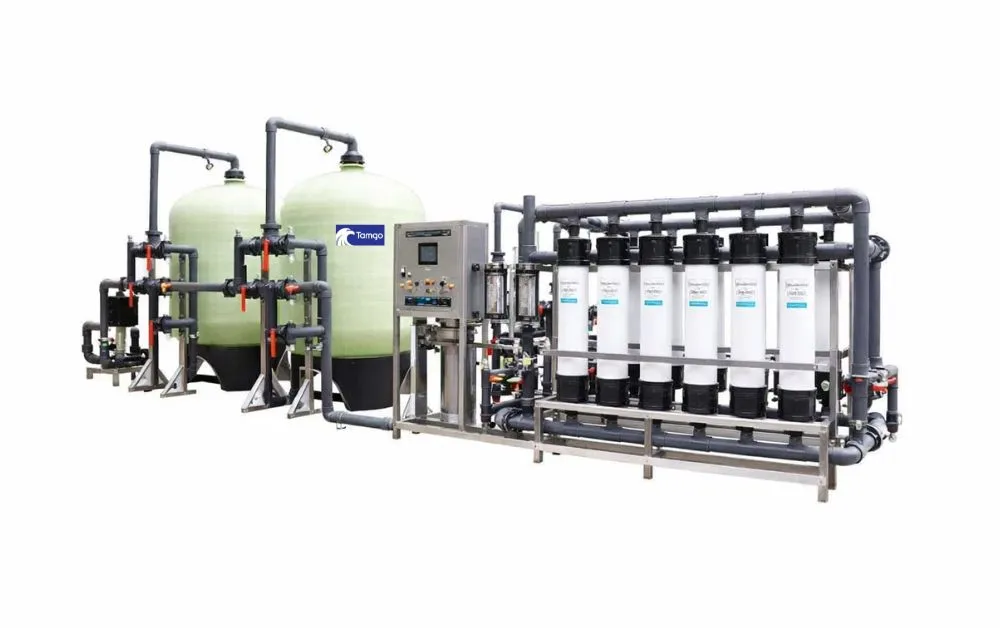
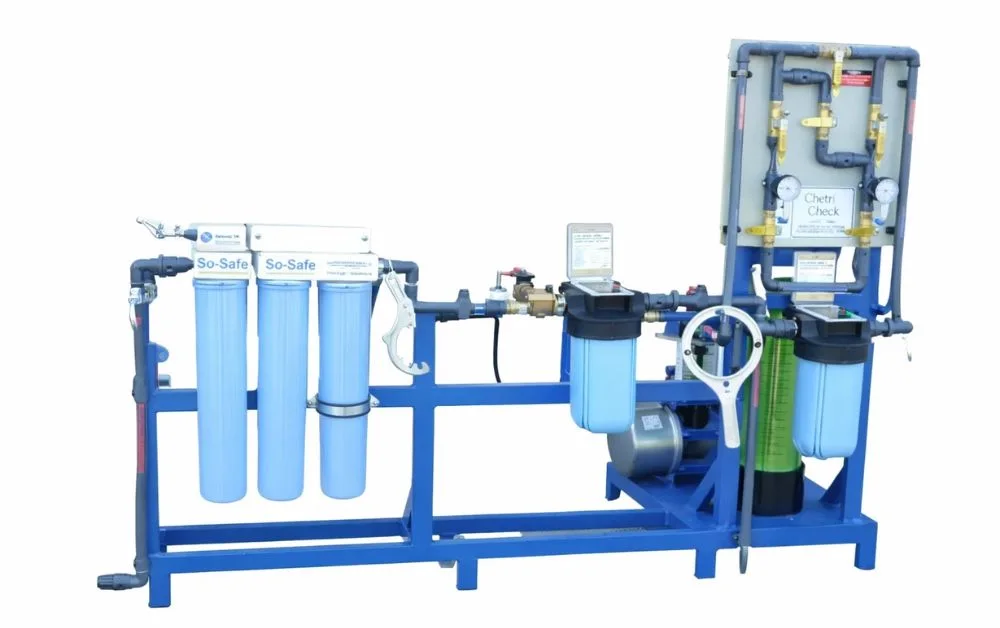
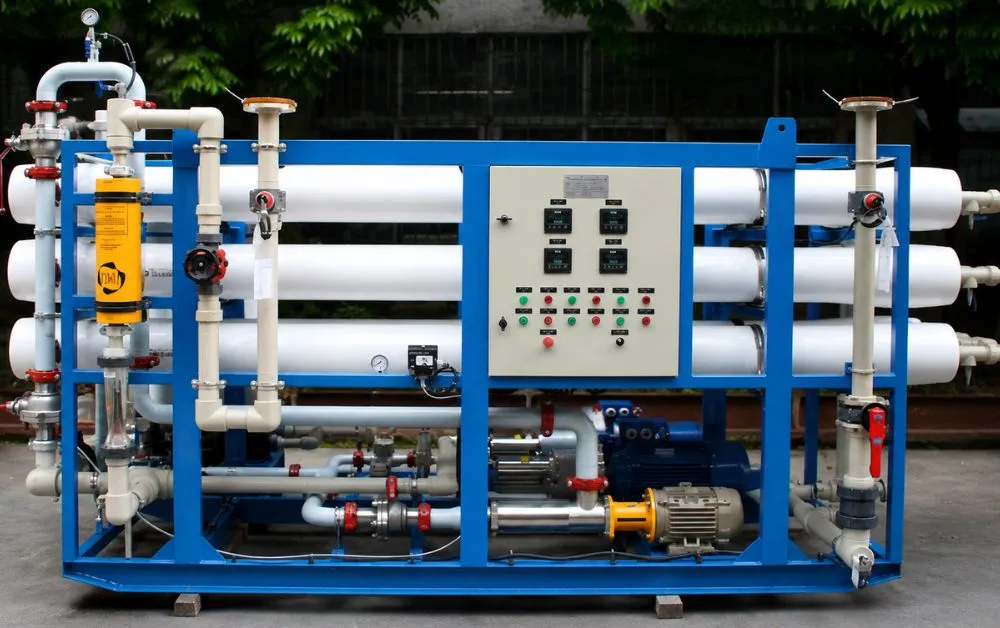
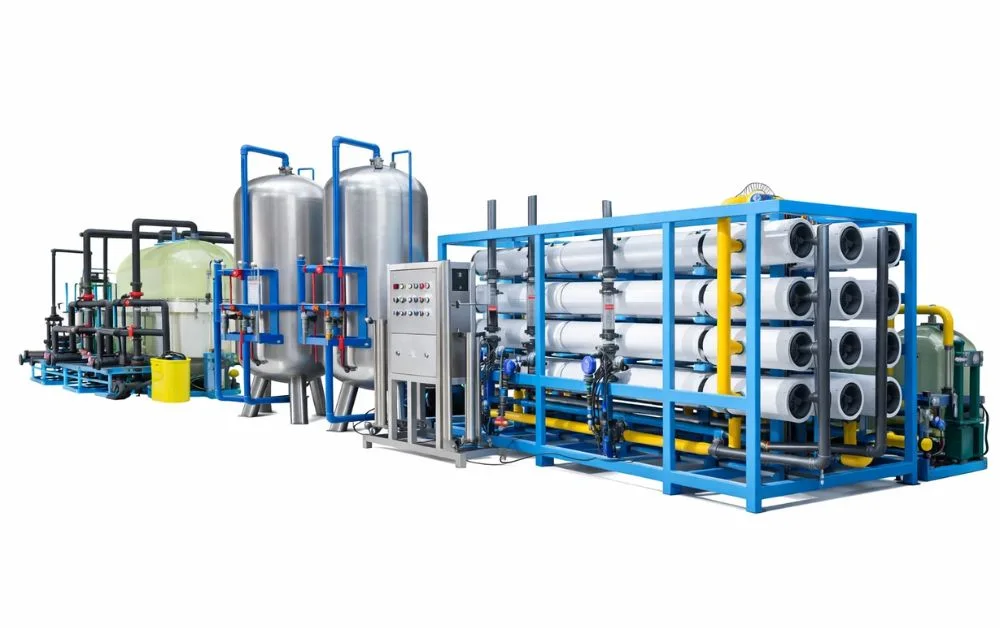
    Water touches almost every part of food and beverage production. It’s used to wash, mix, cool, clean, & even as a main ingredient in many products. As a result, water quality directly affects product safety, taste, and consistency.

    For any manufacturer in the food and beverage industry, treating water properly isn’t just an option — it is a necessity. Clean, well-treated water helps protect consumers, ensures regulatory compliance, & keeps operations running smoothly.

    Across Tanzania and beyond, companies are investing in advanced water treatment food and beverage industry because they now understand that water quality has a direct impact on both the product & the bottom line.

    Why Water Quality Matters So Much

    For a food or beverage producer, water isn’t simply a utility — it’s part of the product itself. Every stage of production relies on it in some way.

    • As an ingredient, water is a central component of soft drinks, juices, dairy products, soups, and sauces. If the water isn’t clean, the taste, color, and consistency of the final product can all suffer.
    • For cleaning and sanitizing: Every factory uses water to wash raw materials, clean machines, and sanitize containers. Poor-quality water can easily introduce contamination rather than remove it.
    • For operations: Boilers, chillers, and other systems all depend on water. If that water contains minerals or impurities, it can damage machinery and slow production.

    In short, when water isn’t treated correctly, the entire production line is at risk — from the flavor of the product to the lifespan of the equipment.

    What Happens Without Proper Treatment

    When untreated or poorly treated water is used in food production, several problems can appear — and they can be costly.

    • Contamination: Harmful bacteria, chemicals, or metals in the water can make food unsafe to eat.
    • Changes in taste or smell: Even a small amount of chlorine or mineral buildup can alter the flavor of a drink or the texture of food.
    • Equipment damage: Minerals can cause scaling in pipes and boilers, reducing efficiency and increasing repair costs.
    • Regulatory trouble: Food and beverage companies must meet strict water safety standards. Failing to do so can lead to penalties, product recalls, or loss of market trust.

    Every one of these issues can be avoided with a properly installed water treatment system.

    Related read:-Troubleshooting Water Treatment Systems in Beverage Factories

    The Benefits of Water Treatment

    Clean, treated water keeps production running smoothly and safely. Here’s how:

    1. Safe and hygienic production

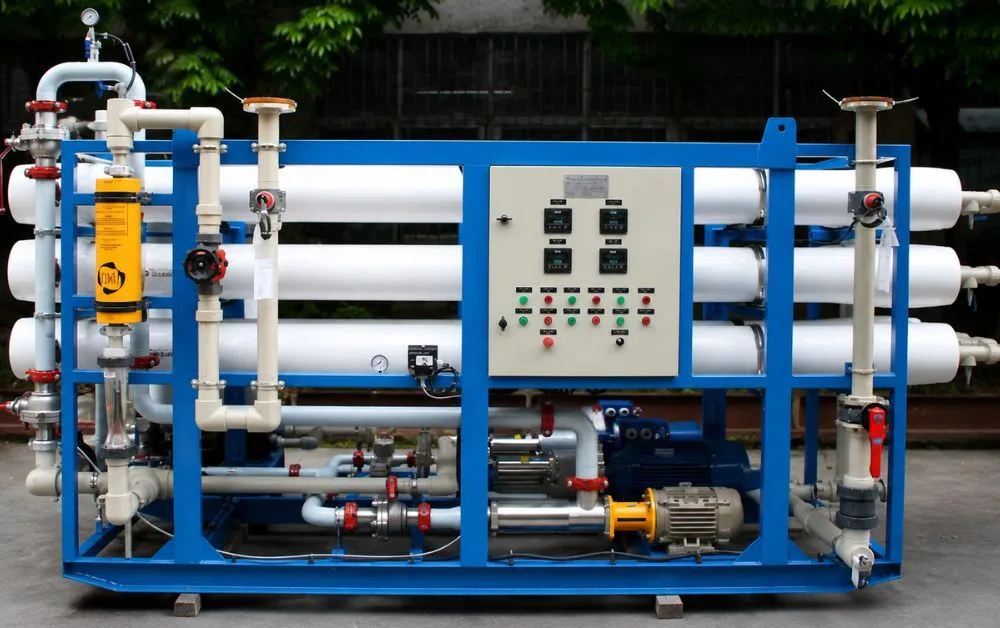
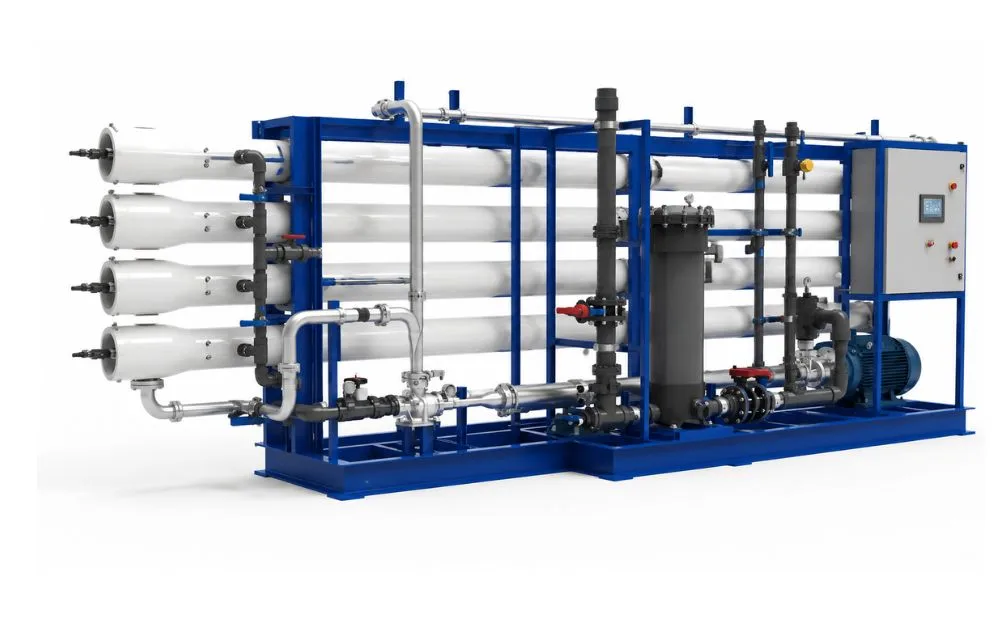
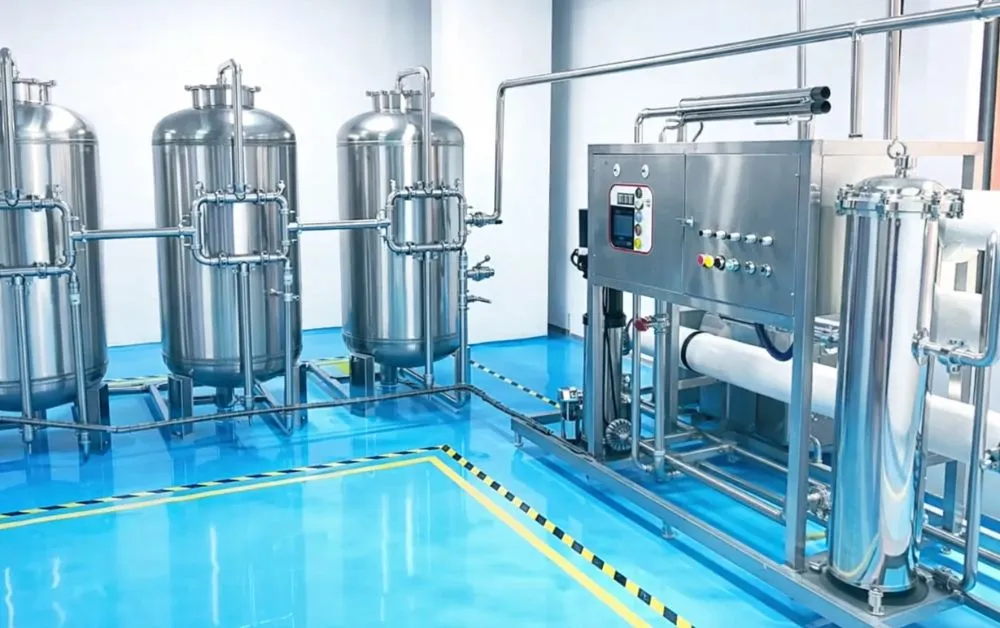
    Modern treatment systems — like UV purification, reverse osmosis, and carbon filters — remove harmful microbes and chemicals, keeping products safe for consumption.

    2. Consistent quality and taste

    The purity and mineral balance of treated water help maintain the same flavor, color, and texture across every batch. Customers notice & appreciate consistency.

    3. Better equipment performance

    Treated water prevents scaling and corrosion, helping machines last longer and reducing maintenance costs.

    4. Regulatory compliance

    Clean water helps businesses meet food safety standards like HACCP and ISO, which are essential for both local and export markets.

    5. Lower costs and improved sustainability

    Modern systems allow water to be reused, reducing waste — saving money while protecting the environment.

    Where Water Treatment Makes a Difference

    Water treatment touches every part of the food and beverage process:

    • Beverages: Clean water is essential for bottled water, juices, sodas, and beer, where even slight impurities can affect the final taste.
    • Dairy and processed foods: Milk, yogurt, sauces, soups, & canned products all rely on treated water for safety and consistency.
    • Bakeries and confectionery: Water quality can affect dough texture and the flavor of fillings.
    • Utilities and cleaning: Boilers, cooling systems, and cleaning-in-place (CIP) units need treated water to work efficiently.

    Every step — from mixing ingredients to washing equipment — depends on reliable, clean water.

    The Bigger Picture

    Investing in proper water treatment isn’t just about meeting health standards. It’s about running a more efficient, trustworthy, & sustainable operation.

    With sound water systems in place, companies spend less on repairs, reduce waste, and ensure that all products leaving their factories meet the same level of quality. It’s also a commitment to protecting consumers — and that’s something every responsible manufacturer should value.

    Final Thoughts

    Water treatment is the foundation of food and beverage production. It keeps products safe, protects equipment, and builds consumer confidence. Without it, no factory can run smoothly for long. For reliable, high-performance water treatment systems tailored to the food and beverage sector, Tamgo Tanzania Limited provides trusted solutions, professional installation, and ongoing support — helping manufacturers in Tanzania operate safely, efficiently, & with peace of mind.

  • How Modern Water Solutions Are Improving Access to Clean Water in Tanzania

    How Modern Water Solutions Are Improving Access to Clean Water in Tanzania

    Access to clean, safe water remains one of Tanzania’s top priorities. Although significant progress has been made in recent years, many communities still depend on unreliable or outdated water sources. Thankfully, new technologies are helping change that story.

    Across the country, modern water systems are making clean water easier to find, cheaper to maintain, and more sustainable for homes, farms, schools, and businesses. Here’s how these modern water solutions in Tanzania are transforming daily life and helping move toward a safer and healthier future.

    Bringing Water Closer With Solar-Powered Pumps

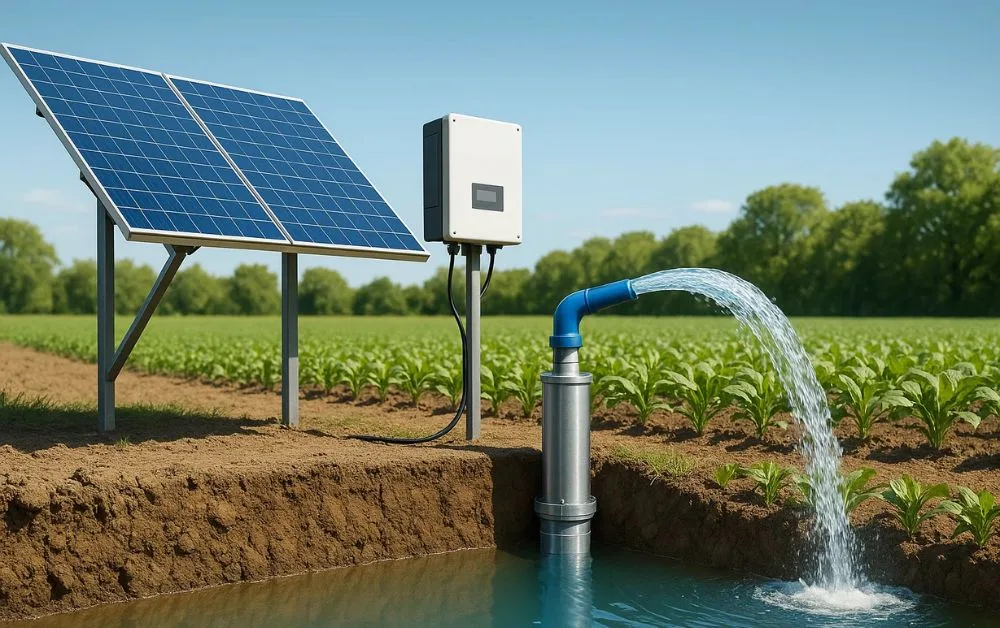
    In many rural and off-grid areas, solar water pumps have become a real game-changer. Tanzania’s abundant sunshine makes solar energy an obvious choice for powering water systems.

    What makes solar pumps so effective:

    • No fuel needed: They run entirely on solar energy, saving money on diesel and avoiding fuel shortages.
    • Simple to maintain: Once installed, they require minimal servicing, which is ideal for remote communities.
    • Steady water supply: Solar pumps can draw water from boreholes, rivers, or tanks, providing a consistent source for drinking, farming, and livestock.

    Because these systems don’t depend on grid electricity or fuel deliveries, they’re giving more villages a reliable & affordable way to access clean water — even in hard-to-reach regions.

    Cleaner Water Through Modern Filtration and Treatment

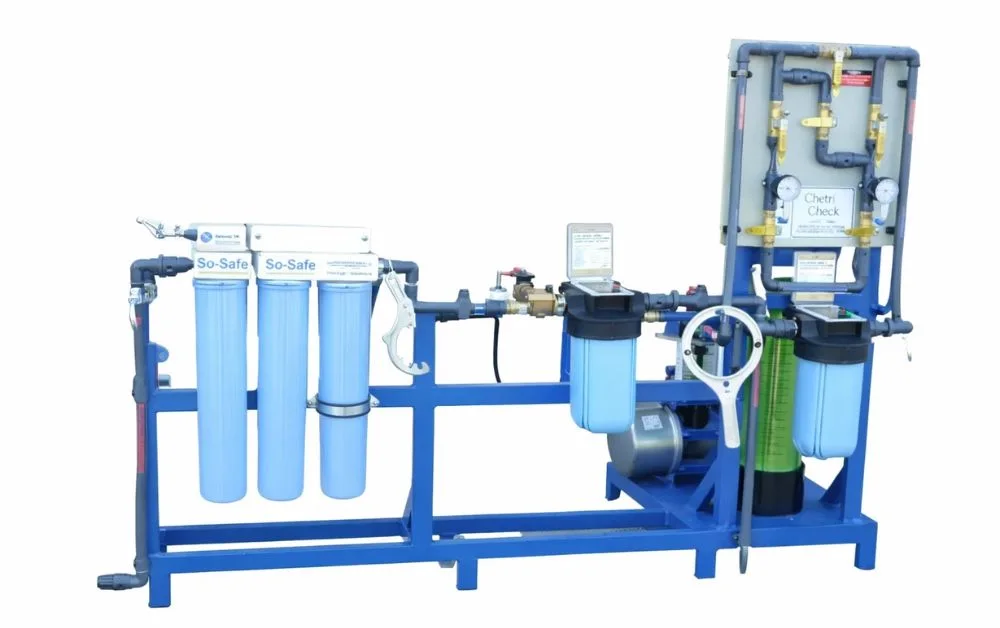
    Having water is one thing; having safe water is another. Modern filtration and purification systems are helping families, schools, and health centers enjoy clean drinking water every day.

    Standard treatment methods include:

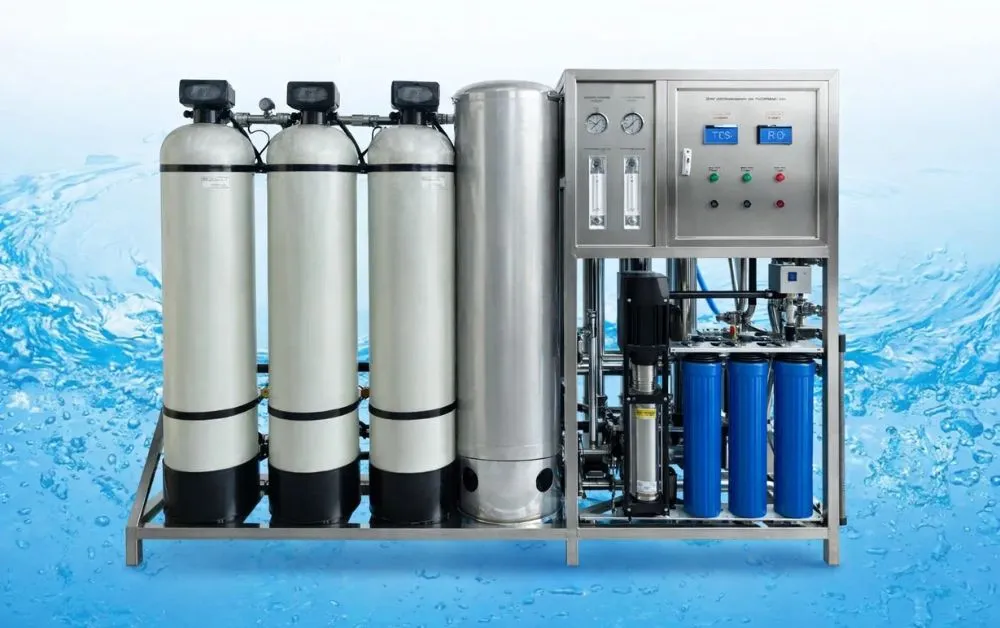
    • Reverse osmosis systems remove salts & contaminants for pure drinking water.
    • UV purification that kills harmful bacteria and viruses without adding chemicals.
    • Activated carbon filters that improve taste and remove odors or pollutants.

    These technologies make a significant difference in preventing waterborne diseases and improving health, especially in areas where people once relied on untreated sources such as rivers or open wells.

    Smarter Irrigation for Farmers

    Agriculture is one of Tanzania’s main economic activities, but it also uses a lot of water. Modern irrigation systems are helping farmers save water, improve yields, and reduce costs.

    Popular systems include:

    • Drip irrigation that delivers water directly to the roots, avoiding waste.
    • Sprinklers that distribute water evenly across large fields.
    • Automated controls and sensors that help farmers use just the right amount of water.

    With these systems, farmers can grow more using less water — an essential step toward sustainable farming, especially as rainfall patterns become less predictable.

    Better Storage and Distribution Infrastructure

    To keep water flowing, storage and distribution systems must be strong and well-designed. Today, modern tanks, pressure systems, and pipelines are helping ensure that clean water reaches homes, schools, & businesses when it’s needed most.

    Key improvements include:

    • Durable storage tanks that prevent leaks and contamination.
    • Pressure-boosting systems that ensure consistent water flow, even in multi-storey buildings.
    • Modern pipeline materials that reduce water loss and last longer than older systems.

    These upgrades are helping communities rely on a steady water supply year-round — even through dry seasons.

    Related read:-The Biggest Water Challenges Facing Tanzania Today

    Dependable Support and Local Expertise

    Technology alone isn’t enough — good service and local expertise are equally important. The best water solution providers in Tanzania offer:

    • Professional installation to ensure systems work as designed.
    • Regular maintenance to prevent breakdowns.
    • Readily available spare parts to minimize downtime.

    This kind of support helps keep systems running smoothly for years, especially in rural communities and business operations that rely on water daily.

    Changing Lives and Creating Opportunities

    Modern water solutions don’t just provide clean water—they open doors to growth and better living.

    • Farmers can irrigate larger plots and increase income.
    • Schools and clinics can maintain better hygiene and health standards.
    • Families spend less time fetching water, freeing up time for education and work.
    • Small businesses can operate more efficiently with a reliable water supply.

    Every drop of clean water brings a new opportunity for progress & stability.

    Final Word

    Modern water solutions are reshaping Tanzania’s future by improving access, reducing costs, and supporting sustainability. From solar-powered pumps to advanced filtration and irrigation systems, these technologies are making clean water more reliable and available than ever before. For trusted and high-quality water systems across Tanzania, Tamgo Tanzania Limited offers professional installation, durable equipment, and reliable after-sales service — helping communities & businesses enjoy dependable access to clean water every day.

  • Solar Water Pumping Systems vs. Conventional Pumps: Which Is Better?

    Solar Water Pumping Systems vs. Conventional Pumps: Which Is Better?

    Water is life — and in Tanzania, water pumping plays a massive role in farming, livestock keeping, and community water supply. For years, most people have relied on diesel or electric pumps to draw water. But recently, solar water pumping systems have gained attention as a cleaner, more affordable option.

    So, which one works best — the traditional pumps or the solar-powered ones? Let’s look at the differences to help you make an informed choice.

    Understanding Conventional Water Pumps

    Conventional pumps usually run on either diesel fuel or grid electricity. They’ve been around for a long time and are popular because they’re powerful and readily available in the local market.

    • Strong output: Diesel and electric pumps can move large volumes of water quickly, making them suitable for large farms and industrial applications.
    • Fuel and grid dependence: A diesel pump needs a steady fuel supply, while an electric pump relies on a stable grid connection — which can be tricky in some rural parts of Tanzania.
    • Maintenance: Diesel engines require regular servicing — oil changes, new filters, and sometimes a complete engine overhaul. Electric pumps are simpler but can get damaged when the voltage fluctuates.

    Conventional pumps are reliable when electricity or fuel is readily available, but their running costs can pile up over time, and their environmental impact is hard to ignore.

    The Rise of Solar Water Pumping Systems

    Solar water pumps use energy from the sun to operate — a perfect match for Tanzania’s sunny climate. These systems have become popular, especially in remote areas where access to fuel or grid power is limited.

    • Free energy source: The sun provides the power, which means you save on fuel costs.
    • Low running costs: Once installed, there are very few ongoing expenses apart from cleaning and occasional checks.
    • Off-grid use: Solar systems work anywhere, even in villages without electricity.
    • Eco-friendly: No fumes, no noise, and no pollution — just clean, renewable energy.

    For rural farmers and community water projects, solar pumps offer freedom from fuel deliveries and unpredictable electricity supplies.

    Comparing the Costs

    At first glance, conventional pumps often seem cheaper because they have a lower purchase price. But once you add up the cost of fuel, oil, spare parts, and servicing, they quickly become expensive to maintain.

    Solar water pumps, on the other hand, require a larger upfront investment due to the panels and installation. However, once they’re running, they use free solar power — no fuel, no noise, and minimal maintenance. Over a few years, the total cost of ownership is usually much lower with solar.

    For anyone planning long-term — especially farmers and small businesses — solar is often the more brilliant financial choice.

    Related read:-The Benefits of Solar Water Pumping for Rural Tanzanian Communities

    Reliability and Daily Performance

    When it comes to reliability, both systems have their strengths.

    • Conventional pumps: Diesel and electric models can run any time of day or night and aren’t affected by weather. However, they depend on fuel availability or grid stability — both of which can be unreliable in some regions.
    • Solar pumps: They rely on sunlight, so performance drops a bit on cloudy days. But with modern battery storage and hybrid designs, solar pumps can now operate even at night or on overcast days.

    In areas with frequent power cuts or high fuel prices, solar water pumps often prove more dependable in the long run.

    Environmental Impact

    This is where solar pumps clearly stand out.

    • Diesel pumps release greenhouse gases and create noise pollution, especially harmful in quiet farming communities.
    • Electric pumps are cleaner, but the electricity they use often comes from non-renewable sources.
    • Solar pumps produce zero emissions, run silently, and require no fuel — making them ideal for sustainable water supply and irrigation.

    Switching to solar water pumping helps protect the environment and supports Tanzania’s efforts to increase renewable energy use.

    Maintenance and Ease of Use

    Maintaining a pump can make or break its usefulness, especially in remote areas.

    • Conventional pumps: Diesel units need frequent service — oil, filters, and mechanical parts wear out over time. Electric pumps need careful handling to avoid electrical damage.
    • Solar pumps: They’re simple — keep the panels clean, check the wiring occasionally, and service the pump once in a while. With fewer moving parts, there’s less that can go wrong.

    For users far from service centers, solar systems are much easier to manage and cheaper to maintain.

    Final Thoughts

    At the end of the day, the best choice depends on your situation — your location, your water demand, and your budget. Diesel and electric pumps are powerful and can run continuously, but they’re costly to maintain and less eco-friendly. Solar water pumping, while requiring a higher initial investment, pays off with lower costs, easier maintenance, and environmental benefits. For Tanzanian farmers, communities, and industries seeking dependable, affordable water-pumping solutions, Tamgo Tanzania Limited provides reliable solar systems with expert installation and after-sales support — helping you secure a steady water supply powered by the sun.

  • What to Consider When Choosing Energy Solutions in Tanzania

    What to Consider When Choosing Energy Solutions in Tanzania

    Access to reliable energy has become one of the most critical factors for progress in Tanzania. As towns expand, industries grow, & more people connect to the grid, the need for dependable, affordable power continues to grow.

    Whether you’re running a business, managing an industrial site, or simply powering your home, choosing the right energy solutions in Tanzania can save you money and avoid frustration later. From solar and diesel generators to hybrid systems, here are the key things to think about before making your choice.

    Know Your Energy Needs

    Before buying any energy system, take time to understand how much power you actually use and when you use it.

    • Track your usage: Review your average daily consumption and note peak-demand times.
    • Define your purpose: Are you powering a small office, a household, or an entire production plant?
    • Growth plan: Your energy needs today might not be the same five years from now, so go for a solution that can grow with you.

    Getting this step right helps you avoid overspending on an oversized system or struggling with one that’s too small for your needs. For example, a small business might run perfectly with a mid-sized generator, while a large factory would need something much more powerful and stable.

    Choose the Right Energy Source

    Tanzania offers a variety of energy options, and each has its strengths.

    • Solar power: Ideal for sunny areas and increasingly popular for homes and offices. It’s clean, quiet, and can run independently from the grid, especially when combined with batteries.
    • Diesel generators: A tried-and-tested backup option for areas where power cuts are common. They deliver consistent energy but come with fuel and maintenance costs.
    • Hybrid systems: These combine solar and diesel, giving you the best of both worlds — renewable energy when the sun is out and generator power when it’s not.

    The right choice often depends on your location, your budget, and how much you rely on electricity day to day.

    Focus on Reliability and Support

    Even the most advanced system isn’t helpful if it fails when you need it most.

    • Check grid reliability: Some parts of Tanzania experience power outages, so it’s essential to have a solution that can handle them.
    • Maintenance: Consider how often your system will need servicing and whether you can easily find qualified technicians nearby.
    • After-sales service: Choose suppliers who offer warranties, quick troubleshooting, & readily available spare parts.

    A reliable system keeps your operations running smoothly and protects your equipment from damage caused by poor power quality.

    Understand the Costs

    Cost isn’t just about the initial purchase — it’s also about how much you’ll spend over time.

    • Initial investment: Larger systems or those using renewable technology can cost more upfront.
    • Running costs: Diesel generators need fuel and maintenance, while solar systems mainly require cleaning & occasional checks.
    • Long-term savings: Solar and hybrid systems may seem expensive at first, but they pay off through lower energy bills and reduced fuel expenses.

    The innovative approach is to balance your budget between short-term affordability and long-term value.

    Related read:-Why Should Tanzania Invest More in Smart Energy Solutions for Sustainability?

    Think About the Environment

    Energy decisions today also shape the kind of environment we’ll live in tomorrow.

    • Carbon emissions: Generators release greenhouse gases, while solar power produces clean energy with no emissions.
    • Noise and pollution: Diesel units can be noisy & smoky; solar systems are silent and eco-friendly.
    • Efficiency: Choosing energy-efficient systems reduces waste, pollution, and long-term costs.

    By going green, you not only save money but also support Tanzania’s renewable energy goals and protect your community’s environment.

    Make Sure Local Support Is Available

    Even the best energy system needs occasional service or parts replacement. That’s why local support matters.

    • Trusted suppliers: Work with authorized dealers who provide genuine products and professional service.
    • Qualified technicians: Ensure installation and maintenance can be performed locally.
    • Spare parts: Easy access to parts helps avoid long downtimes in case something fails.

    Having nearby support gives peace of mind and ensures your system stays up and running for years.

    Check Legal and Safety Requirements

    Energy solutions must meet both local and international standards.

    • Licensing: Some systems may require specific approvals before installation.
    • Safety: Equipment should meet national safety standards to protect users and property.
    • Environmental rules: Follow government guidelines related to emissions, fuel handling, and waste disposal.

    Following the proper regulations keeps your business compliant & your investment secure.

    Final Thoughts

    Choosing an energy solution isn’t just about buying equipment — it’s about finding the right balance between cost, reliability, and sustainability. When you take time to assess your needs, understand your options, and work with the right supplier, you set yourself up for dependable and long-term energy security. For businesses, communities, and households across the country, Tamgo Tanzania Limited offers reliable power solutions — from solar and diesel systems to hybrid setups — all backed by expert support and quality service you can trust.

  • How Dewatering Pump Systems Support Sustainable Water Management?

    How Dewatering Pump Systems Support Sustainable Water Management?

    Water management sits at the heart of modern construction, mining, and industrial operations. Whether it is a building site after heavy rain or a mine pit collecting groundwater, excess water can quickly become a serious challenge — delaying projects, damaging equipment, and even posing safety or environmental risks.

    At the same time, industries are under growing pressure to operate sustainably, conserving natural resources while minimizing ecological impact. That is where dewatering pump systems step in — providing an effective way to remove, reuse, & responsibly manage water. These systems not only keep operations running smoothly but also help companies meet sustainability & compliance goals.

    Here’s how dewatering systems contribute to efficient and environmentally responsible water management.

    Managing Excess Water Efficiently

    Managing Excess Water Efficiently

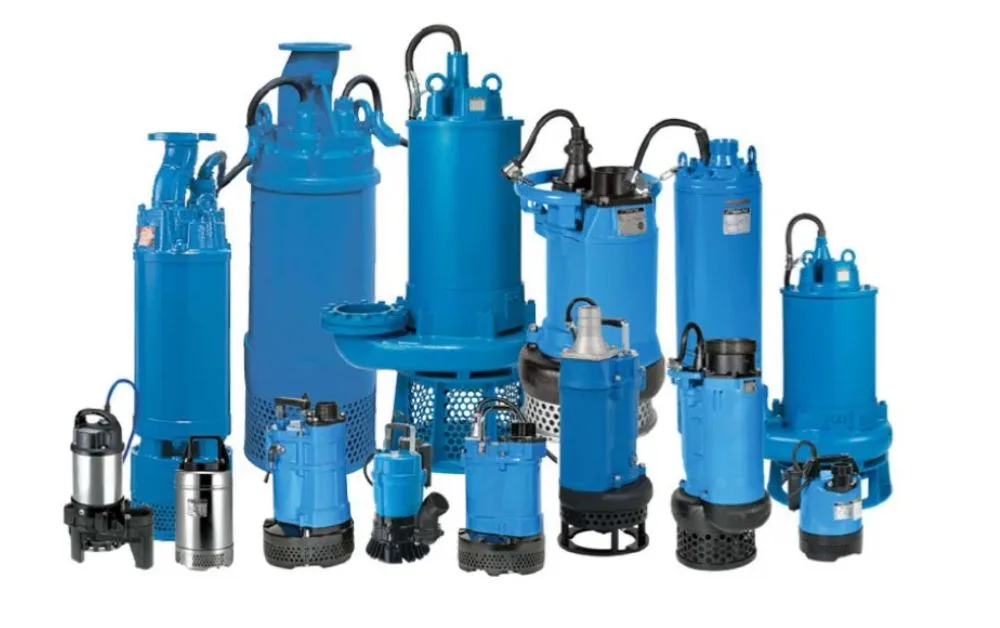
    The most apparent benefit of dewatering systems is their ability to quickly and efficiently remove unwanted water from work areas. Whether it’s at a construction site, mining operation, or flood-prone area, these pumps prevent waterlogging, erosion, and structural damage.

    By controlling water levels, dewatering systems maintain site stability and protect surrounding ecosystems from contamination or runoff — allowing projects to continue safely without disrupting the local environment.

    Reducing Water Waste

    In traditional operations, excess water is often pumped away and discarded without much thought. Dewatering systems change that approach by allowing better control over where the water goes and how it’s used.

    Instead of losing valuable water to infiltration or improper discharge, these systems make it possible to redirect and store the water for later use. The same water can be recycled for activities like concrete mixing, cooling, or dust suppression — helping industries conserve fresh water and reduce overall consumption.

    Supporting Water Recycling and Reuse

    Modern dewatering setups often integrate filtration and storage systems, allowing collected water to be cleaned & reused. Once sediments or impurities are removed, the treated water can be repurposed for non-potable uses on-site.

    This approach not only reduces reliance on external water sources but also lowers operational costs. Over time, it can even lead to closed-loop systems in which water is continuously treated and reused — a key step toward sustainable industrial practices.

    Protecting Local Water Bodies

    Uncontrolled discharge of dirty or sediment-filled water can pollute nearby rivers, lakes, or groundwater. Dewatering pumps aid prevent this by ensuring water is filtered, treated, or safely redirected before being released back into the environment.

    This minimizes contamination, preserves aquatic ecosystems, & ensures compliance with environmental regulations. In short, dewatering systems allow industries to manage water responsibly — protecting both their operations and the communities around them.

    Meeting Environmental Regulations

    Across industries, compliance with environmental laws and discharge standards is a top priority. Dewatering systems help companies meet these obligations by providing precise, traceable, & controlled water management.

    By monitoring flow rates, water quality, and treatment outcomes, companies can document their sustainability practices, avoid fines, & build trust with regulators and clients alike.

    Optimizing Energy Use

    Sustainability isn’t just about saving water — it is also about using energy wisely. Modern dewatering systems are built with energy efficiency in mind. Variable-speed drives and smart controllers automatically adjust pump performance based on water levels, preventing excess power waste.

    This not only lowers energy bills but also reduces carbon emissions, helping industries meet their sustainability targets while maintaining effective water control.

    Preventing Floods and Enhancing Site Safety

    Flooded worksites are not only unproductive but also dangerous. Standing water can weaken foundations, create slippery surfaces, & damage machinery. Dewatering pumps quickly remove excess water, keeping the site dry and safe for workers & equipment.

    Effective flood prevention also benefits nearby communities by preventing uncontrolled water discharge, aligning operational safety with broader environmental & social sustainability goals.

    Promoting Long-Term Resource Sustainability

    Water scarcity is an increasingly global issue, and industries play a significant role in responsible water use. By preventing wastage, enabling recycling, and protecting natural water bodies, dewatering systems aid preserve this finite resource for the future.

    Sustainable water practices also improve operational resilience — reducing dependency on unpredictable water supplies and ensuring continuity even during shortages.

    Creating Integrated Water Management Systems

    The best results come when dewatering pumps are part of a larger site water management strategy. Linking them with sedimentation tanks, filtration systems, & storage reservoirs enables a closed-loop, data-driven approach to managing water.

    This integration ensures that every drop is either reused, treated, or safely discharged — supporting both productivity and sustainability across the project lifecycle.

    Related read:-How Dewatering Pumps Keep Construction Sites Dry and Safe?

    Preventing Soil and Groundwater Contamination

    When standing water mixes with oil, fuel, or chemicals on industrial sites, it can easily seep into the soil, leading to long-term contamination. Dewatering systems prevent this by removing water before pollutants can spread, and when combined with filtration units, they ensure cleaner discharge.

    This helps protect nearby agricultural land, groundwater sources, and ecosystems — all while maintaining compliance with environmental safety standards.

    Improving Ground Stability for Safe Construction

    Excess water can weaken soil structure, making it unsuitable for construction or heavy equipment. By keeping the ground dry, dewatering pumps enhance soil stability, making sites safer for workers & more sustainable for long-term land use.

    Stable ground not only supports immediate project wants but also preserves land integrity for future development, aligning with responsible construction practices.

    Enabling Smarter, Data-Driven Water Management

    Today’s dewatering systems often come with smart sensors that monitor water flow, energy use, and performance in real time. This data allows site managers to make informed decisions about pumping schedules, water reuse, and discharge timing.

    With accurate monitoring, companies can optimize water use, prevent unnecessary pumping, and continuously improve their sustainability performance — ensuring that real data, not guesswork, informs water management decisions.

    Enabling Smarter, Data-Driven Water Management

    In Conclusion

    Dewatering pumps are far more than just tools for removing water — they are essential components of sustainable water management. By enabling efficient water removal, recycling, flood control, & energy optimization, they aid industries operate responsibly while protecting natural resources. 

    For companies and projects in Tanzania looking to improve both operational efficiency & environmental performance, TAMGO Tanzania Limited offers advanced dewatering pump systems tailored to local industrial and construction needs. With reliable technology and expert support, TAMGO aids you manage water more sustainably — keeping your projects productive, safe, and eco-friendly.