Author: admin

  • A Beginner’s Guide to Commercial Pump Systems

    A Beginner’s Guide to Commercial Pump Systems

    When it comes to transferring water or other fluids in bulk for business use, commercial pump systems are the key to efficiency. Whether you are running a factory, a high-rise building, a hotel, or an agricultural facility, the right pumping system is paramount. This is a beginner’s guide to understanding the operation of commercial pump systems, including their types, applications, and key considerations to consider before making a purchase. For companies seeking a reliable Commercial Pumps supplier in Tanzania, TAMGO is a trustworthy solution provider offering high-performance pump systems and professional support. 

    What Are Commercial Pump Systems?

    Commercial pump systems are mechanical systems used to transfer fluids (such as water, chemicals, slurries, or wastewater) from one place to another in large-scale applications. The pumps are crucial in commercial buildings, production plants, and industrial operations. The systems can be configured to meet various operational requirements, including pressure boosting, fluid transfer, draining, and circulation.

    Unlike household pumps, commercial pump systems are designed to handle higher volumes, operate for longer durations, and offer more advanced features including automation, energy monitoring, and integration with building management systems.

    Key Components of a Commercial Pump System

    To understand how a commercial pump system works, it’s essential to look at its main components:

    1. Pump Unit:

    The heart of the system, which physically moves the fluid using mechanical force.

    2. Piping System:

    A System of pipes through which the fluid is transferred from source to destination.

    3. Control Panel:

    Employed for monitoring and controlling pump operation, such as pressure settings, rate of flow, and fault notifications.

    4. Valves and Fittings:

    Regulate fluid direction, arrest backflow, and ensure pressure uniformity.

    5. Sensors and Gauges:

    Gauge temperature, pressure, and flow to provide optimal performance.

    Types of Commercial Pump Systems

    There are several different types of commercial pumps, each with various uses:

    1. Centrifugal Pumps

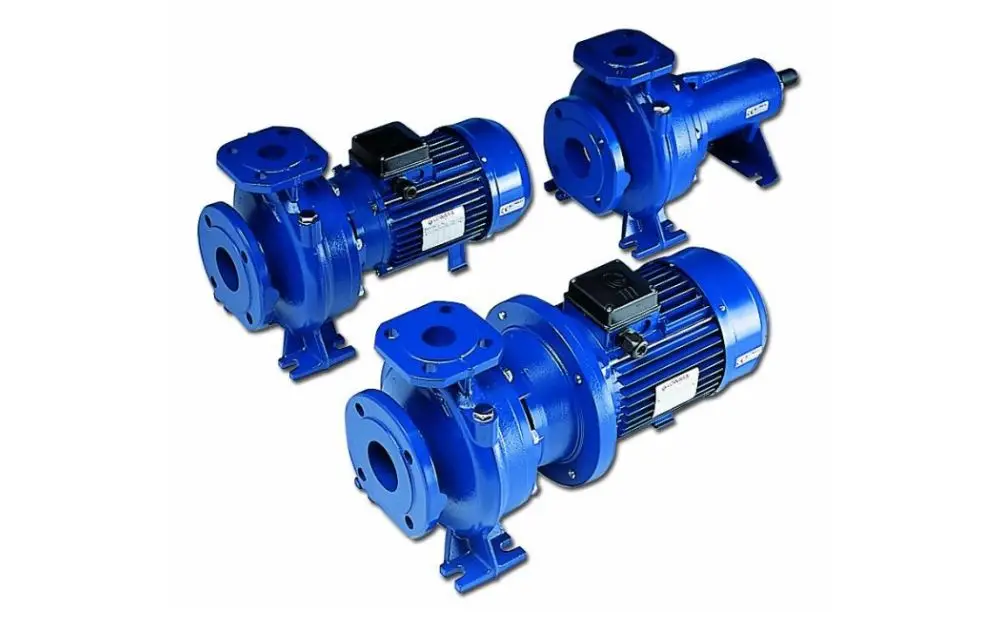
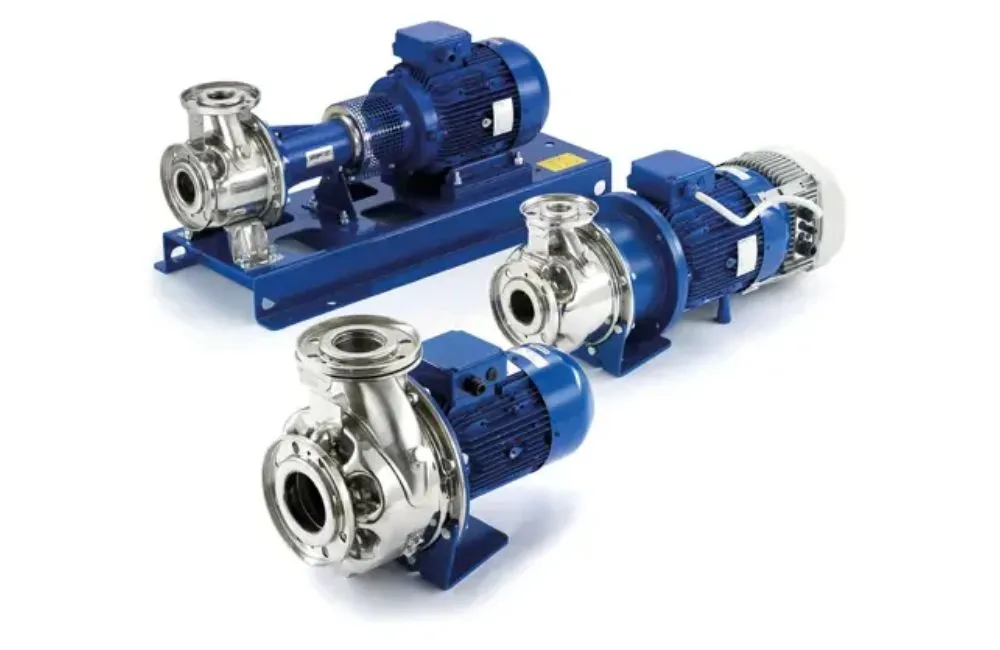
    The most widespread type, centrifugal pumps, employ a revolving impeller to propel fluid. Suitable for water supply systems, cooling towers, and industrial processes.

    2. Submersible Pumps

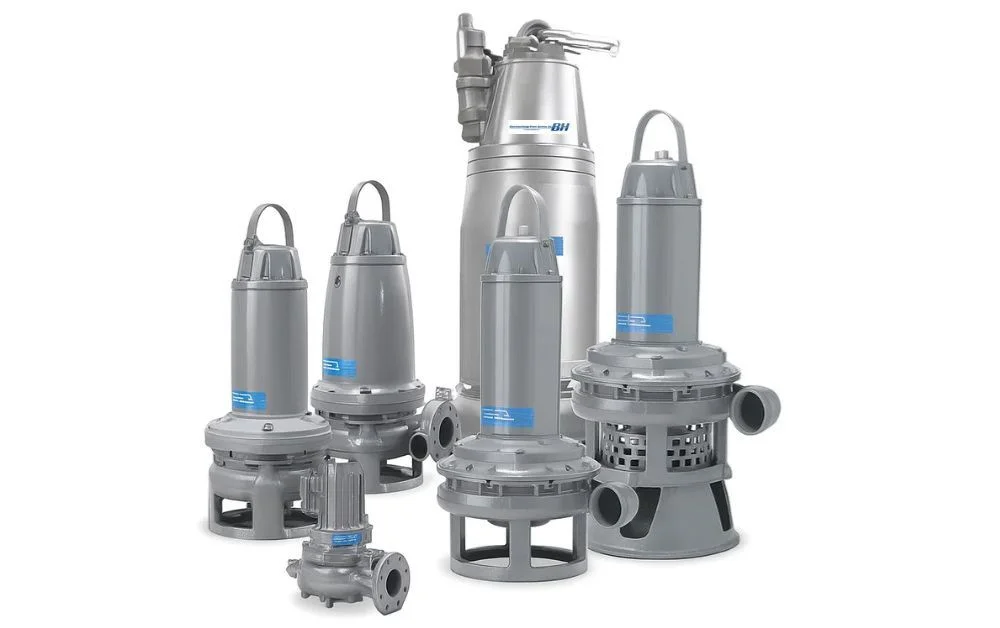
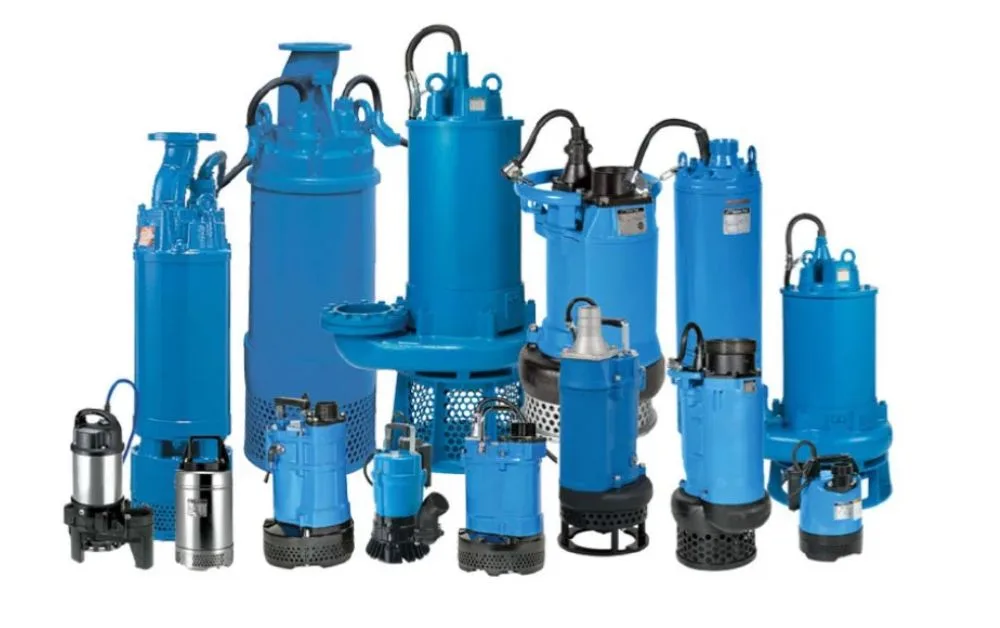
    As the name suggests, they are submerged in the fluid that is being pumped. They are used in sewage and drainage systems.

    3. Booster Pumps

    Used in irrigation systems and high-rise buildings to boost water pressure where there is not enough natural pressure.

    4. Positive Displacement Pumps

    Pumps fluid by displacing a fixed volume and pushing it into the system. Suitable for viscous liquids such as oils and chemicals.

    5. Multistage Pumps

    Made of more than one impeller to add stages of pressure, suitable for HVAC systems, reverse osmosis, and water treatment.

    6. Fire Pumps

    Critical for commercial building firefighting systems, providing available water at adequate pressure during a fire emergency.

    Uses of Commercial Pump Systems

    Commercial pumps find application in diverse industries and buildings:

    • Construction: De-watering basements and foundations.
    • Agriculture: Fertilization, irrigation, and water supply.
    • Hospitality: Supplying water to bathrooms, kitchens, and swimming pools.
    • Manufacturing: Cooling systems, chemical transportation, and fluid management.
    • Waste Management: Sewage treatment, sludge pumping, and drainage.
    • Energy: Supplying fluids in solar heating and HVAC systems.

    Related read:-What Are Lowara Pumps and How Do They Work?

    Things to Keep in Mind Before Purchasing a Commercial Pump System

    Selecting the proper pump system is crucial for achieving long-term performance and cost-effectiveness. Consider the following:

    1. Flow Rate Needed:

    Decide how much fluid you must transport per hour.

    2. Total Dynamic Head (TDH):

    Determine the vertical and horizontal distance the pump must travel to move the fluid.

    3. Type of Fluid:

    The viscosity, temperature, and chemical makeup of the fluid will impact the pump choice.

    4. Energy Efficiency:

    Opt for systems with energy-saving features to minimize operational expenses.

    5. Automation Capabilities:

    Contemporary pumps come with sophisticated control systems for remote monitoring and fault detection.

    6. Maintenance Requirements:

    Select a system that is easy to maintain and has locally accessible spare parts.

    7. Reliability of Supplier:

    Having an experienced and reliable supplier ensures you receive the appropriate system and after-sales service.

    For organizations requiring dependable assistance and professional advice, TAMGO is a leading supplier of commercial pumps in Tanzania, offering comprehensive solutions tailored to your commercial needs.

    Installation and Maintenance Tips

    Correct installation and periodic maintenance are essential to prolong the lifespan of your commercial pump system:

    • Hire Certified Technicians: Let experts install the pump as per the manufacturer’s guidelines.
    • Routine Checks: Regularly inspect for leaks, noise, and vibrations.
    • Clean Valves and Filters: Avoid clogging and pressure losses.
    • Watch Performance: Utilize control panels and software packages to monitor efficiency and identify issues before they escalate.
    • Schedule Maintenance: Periodically service with authorized service providers to prevent unexpected failures.

    Why Select TAMGO as Your Solution Partner?

    TAMGO is a well-established provider of commercial pumping solutions in Tanzania and the surrounding region. They provide:

    • High-quality commercial pumps in a broad variety.
    • Technical expertise consultation and site appraisal.
    • Adequate after-sales support and availability of spare parts.
    • Project-specific pump system design.
    • Expert installation and maintenance assistance.

    Whether you are installing a new pump system or replacing an existing one, TAMGO can help you maximize the performance and return on your investment.

    Conclusion

    Understanding the fundamentals of commercial pump systems is the first step in making informed decisions for your business or facility. From selecting the appropriate pump type to having them properly installed and serviced, each factor is a key part of system efficiency and dependability. When you partner with a trusted Commercial Pumps distributor in Tanzania, such as TAMGO, you gain access to world-class products, technical expertise, and efficient after-sales support to address your operational needs.

    If you’re starting a new commercial project or upgrading an old system, let TAMGO be your go-to solution provider for all your pumping needs.

  • What Are Lowara Pumps and How Do They Work?

    What Are Lowara Pumps and How Do They Work?

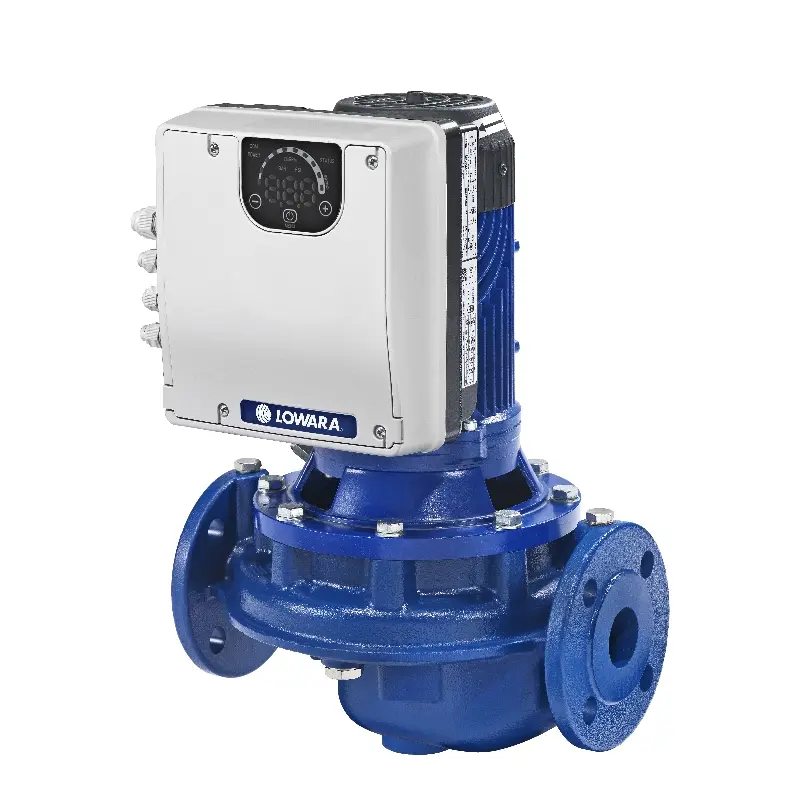
    When it comes to reliable and efficient water movement solutions, Lowara pumps stand out as a trusted choice for domestic, agricultural, and industrial applications. These pumps are designed to deliver optimal performance while conserving energy and offering long-lasting durability. Whether you’re dealing with water supply, wastewater management, or irrigation systems, Lowara provides a range of pump models tailored to meet diverse needs. In this blog, we’ll explore what Lowara pumps are, how they function, and where to source them, including a trusted Lowara Pumps supplier in Tanzania, like TAMGO, which offers complete support and product availability.

    Introduction to Lowara Pumps

    Lowara is a well-known brand within the pump sector, recognized for its quality, Italian-designed products suitable for numerous applications. As part of the Xylem group, Lowara produces pumps from stainless steel and other durable materials, resulting in both efficient and long-lasting pumps.

    Lowara pumps are used extensively in:

    • Domestic water supply and pressure boosting
    • Agricultural irrigation networks
    • Commercial HVAC (Heating, Ventilation, and Air Conditioning)
    • Industrial applications and water treatment
    • Wastewater and sewage management

    Lowara pumps, with their sophisticated hydraulic design and energy-efficient motors, are designed to consume less energy, be cost-effective in operation, and be highly reliable in hostile conditions. In areas such as Tanzania, these attributes are beneficial due to varying water pressure and energy supply conditions, making access to a reliable Lowara Pumps dealer, such as TAMGO, crucial.

    Types of Lowara Pumps

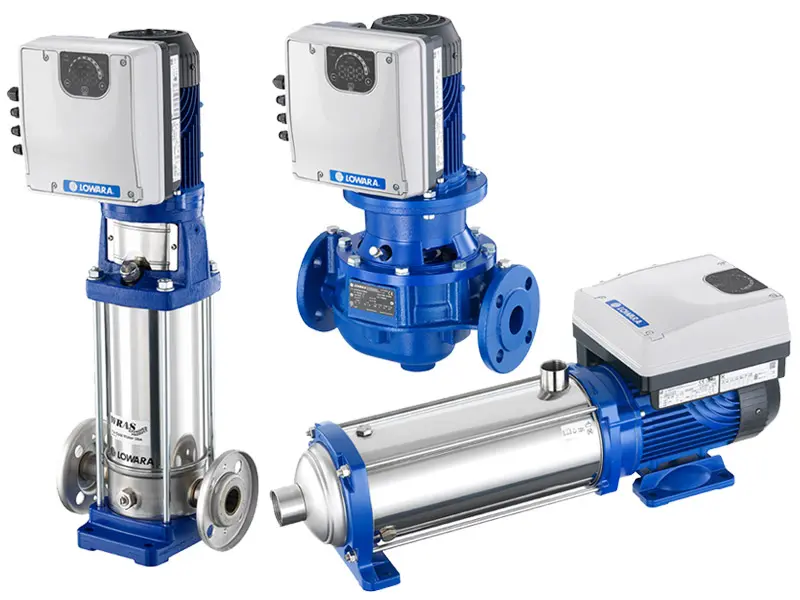
    Lowara produces a wide variety of pump models, each designed to perform particular tasks:

    1. Centrifugal Pumps

    • For moving clear water and other clean fluids.
    • Suitable for building services, agriculture, and light industry.
    • Models: e-HM, e-SH, and e-SV series.

    2. Submersible Pumps

    • Work underwater and are suited to boreholes, wells, and drainage.
    • Typically used for water extraction and flood prevention.
    • Models: Z6, GS, DIWA series.

    3. Multistage Pumps

    • Provide high-pressure output by employing multiple impellers.
    • Ideal for water supply and booster sets.
    • Models: e-HM and e-SV multistage vertical pumps.

    4. Peripheral Pumps

    • Ideal for low-flow, high-pressure services.
    • Compact and ideal for residential use.

    5. Drainage and Sewage Pumps

    • Designed for sewer, grey water, and wastewater management.
    • Ideal for municipal and industrial waste systems.

    Every pump is designed for particular liquid types, pressures, and flow rates. This renders it critical to seek advice from a Lowara Pumps distributor in Tanzania, such as TAMGO, which can advise clients on the best solution tailored to their specific application.

    How Do Lowara Pumps Work?

    While various models have different functions, the underlying operation of Lowara pumps involves transforming mechanical energy into hydraulic energy to move water or other liquids. 

    1. Centrifugal Action

    The majority of Lowara pumps work on the centrifugal principle. A motor is powered by electricity and uses an impeller that rotates in a casing. As the impeller rotates, it produces a vacuum that pulls fluid into the pump and pushes it out through the outlet with greater velocity. This velocity is subsequently transformed into pressure to transport the fluid efficiently. 

    2. Multistage Technology

    In multistage pumps, two or more impellers are placed in series. Every stage increases the pressure of the fluid, enabling it to be pumped to much higher heads (the height to which water is pumped). This is suitable for high-rise structures, firefighting systems, or irrigation networks.

    3. Submersible Operation

    Submersible Lowara pumps are entirely closed units designed for underwater operation. They force water to the surface, which is less energy-consuming than sucking. Thus, they are ideal for wells, boreholes, or deep tanks.

    4. Automation and Control

    Most Lowara pumps are equipped with integral automation accessories like pressure sensors, flow regulators, and thermal protection. Not only do these accessories provide optimal performance, but they also safeguard the pump against dry running or overheating, which are typical problems in remote or rural sites. 

    Related read:-A Beginner’s Guide to Commercial Pump Systems

    Advantages of Lowara Pumps

    • Energy Efficiency: Lowara manufactures its motors to the most current energy standards, ensuring low power consumption.
    • Durability: Fabricated using high-quality stainless steel and corrosion-resistant materials.
    • Compact Design: Quick and easy to install, even in tight or limited spaces.
    • Broad Application: From domestic use to large industrial applications.
    • Dependable Performance: Stable output and lower maintenance needs.

    For Tanzania buyers and facility managers, these advantages mean lower lifecycle expenses and fewer downtime incidents, particularly when purchasing from a local Lowara Pumps distributor in Tanzania, such as TAMGO, which provides after-sales support and technical assistance.

    Selecting the Appropriate Lowara Pump

    Selecting the right pump is based on several key considerations:

    • Requirements for Flow Rate: How much water is required per hour or minute?
    • Needs in Pressure: What distance or elevation must the water be pushed or pumped to achieve the desired pressure?
    • Water Quality: Is the water clean, grey water, or wastewater?
    • Power Supply: What phase or voltage is available on the site?
    • Installation Conditions: Will the pump be installed above ground, underwater, or in a building?

    An experienced supplier like TAMGO can assist in answering such questions and advising on the best Lowara model that fits particular requirements. As a reliable Lowara Pumps supplier in Tanzania, TAMGO assures customers receive authentic products, accurate sizing, and technical advice.

    Conclusion

    Lowara pumps offer a robust, energy-efficient, and high-performance solution for all water movement requirements, ranging from residential to agricultural, commercial, and industrial applications. From centrifugal and submersible to multistage and wastewater pumps, Lowara’s collection is designed for endurance and sustainability.

    Knowing how these pumps operate makes selecting the correct one for the task—and providing safe, effective water management in all climates—a breeze. For companies and homes in Tanzania, partnering with a trusted Lowara Pumps distributor, such as TAMGO, offers access to authentic products, expert guidance, and extended service support.

    When planning to invest in a reliable water pumping system, Lowara—distributed locally by TAMGO—is a wise and forward-thinking decision.

  • Diesel Generator Efficiency: What You Need to Know

    Diesel Generator Efficiency: What You Need to Know

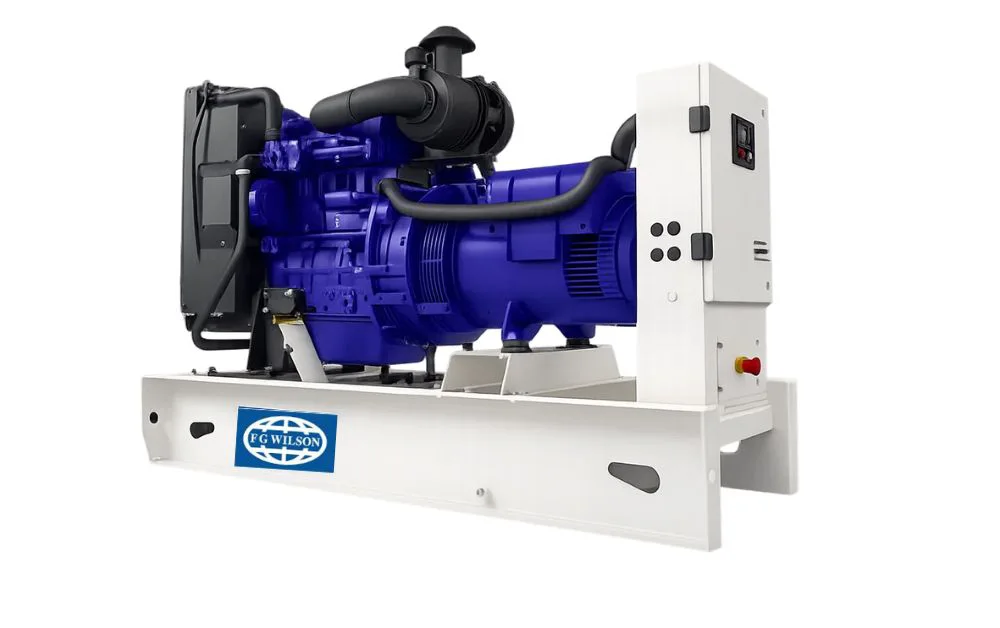
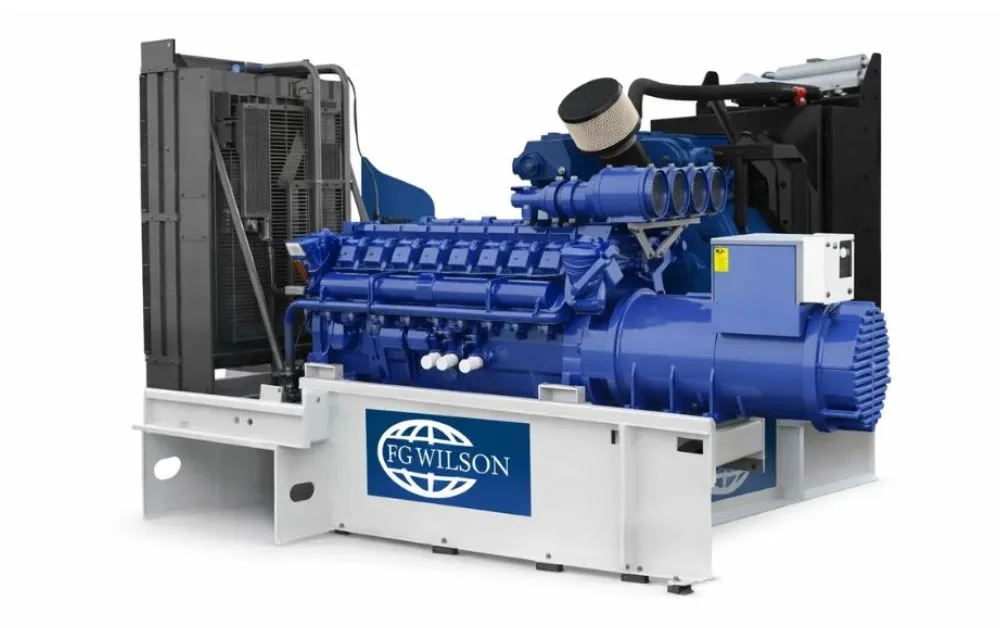
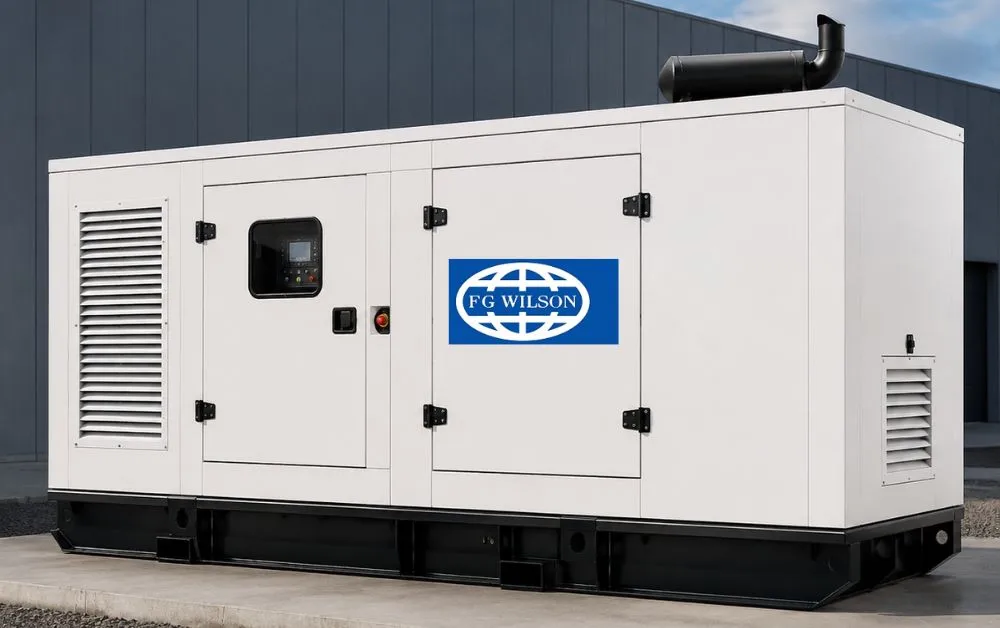
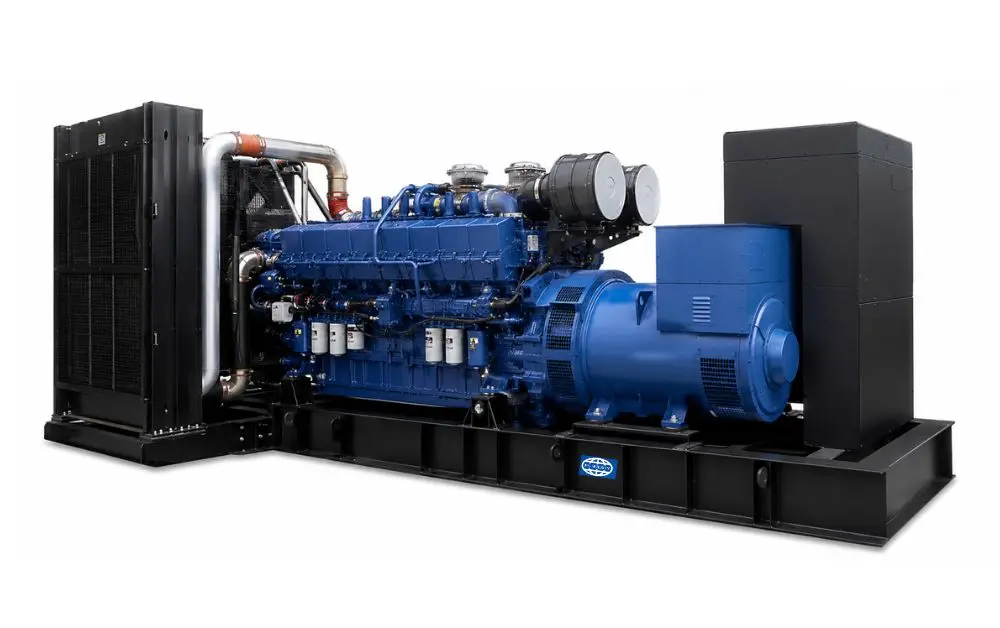
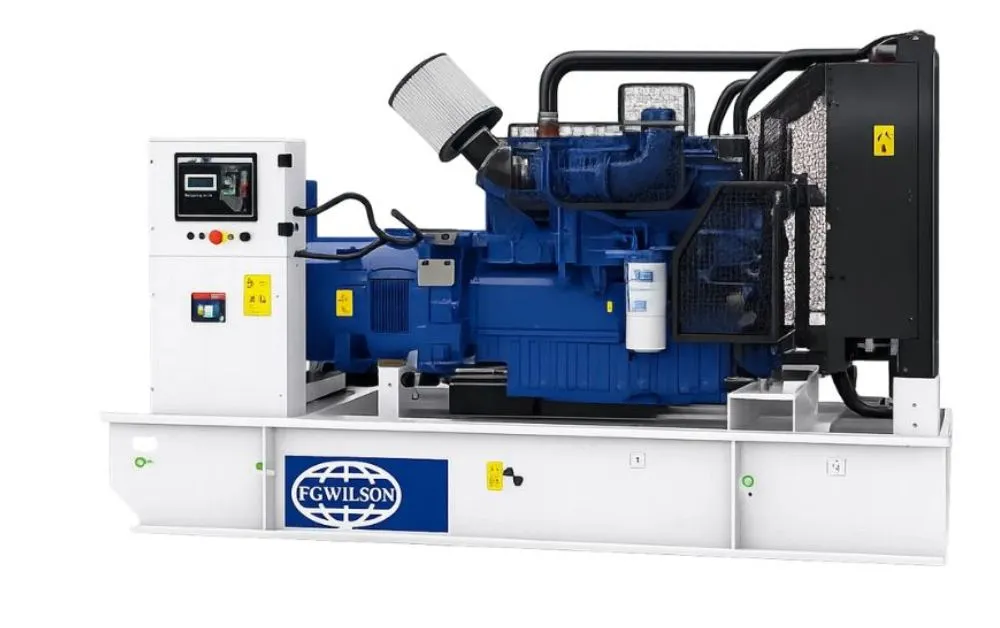
    In the power-based world we live in today, diesel generators remain among the most reliable providers of backup electricity. From data centers and hospitals to industrial factories and residential homes, these generators provide a consistent source of electricity during a blackout or for locations off the grid. Not all diesel generators, however, are the same. Understanding diesel generator efficiency is crucial not only for saving fuel but also for optimizing performance and minimizing maintenance costs. Whether you’re a business owner, facility manager, or home user, understanding generator efficiency can make a significant difference in your energy planning. For individuals seeking reliable equipment, a reputable diesel generator supplier in Tanzania, such as TAMGO, offers both the expertise and a comprehensive product range to provide effective power solutions tailored to your specific requirements.

    What Is Diesel Generator Efficiency?

    Diesel generator efficiency measures how effectively the generator transforms the energy held in diesel fuel into electrical power. It is typically expressed as a percentage and is derived by dividing the electrical output by the fuel energy input. Greater efficiency will result in more electricity being produced for each unit of diesel burned, resulting in lower operational costs and a reduced environmental impact.

    Factors That Influence Diesel Generator Efficiency

    Several variables can affect the efficiency of a diesel generator:

    1. Load Factor

    The most efficient operation of generators occurs when they are running at levels of approximately 70-80% capacity. Operating a generator at extreme low or high loads is likely to decrease efficiency and, more importantly, fuel consumption. For example, a 500 kVA generator running continuously at 20% load will consume more fuel per kilowatt than one operating at 75%.

    2. Generator Size

    Selecting the correct generator size is critical. Oversized generators result in underloading, and “wet stacking” can result, where unburned fuel collects in the exhaust system. An undersized generator will be overloaded, resulting in decreased lifespan and efficiency.

    3. Engine Quality and Design

    New diesel engines, equipped with turbochargers, electronic fuel injection, and intelligent controls, are more fuel-efficient. Investing in high-quality models from a reliable diesel generator dealer in Tanzania, such as TAMGO, offers access to generators featuring highly optimized engine designs and improved fuel efficiency.

    4. Quality of Fuel

    Inferior quality diesel fuel may lead to incomplete combustion, resulting in decreased efficiency and higher emissions. Use clean, certified fuel and store it under good conditions to avoid contamination.

    5. Maintenance Practices

    Regular maintenance—such as oil changes, replacement of air and fuel filters, and system checks—is essential to ensure peak efficiency. Failure to perform maintenance will result in carbon accumulation, worn parts, and inefficient fuel combustion.

    How to Improve Diesel Generator Efficiency

    Making generators more efficient combines appropriate use, quality equipment, and routine maintenance. The following are some best practices:

    1. Load Management

    Utilize load banks or manipulate electrical loads to ensure the generator operates within its optimum range. Avoid excessive low-load operation, as it can impact combustion and increase wear.

    2. Use Advanced Controls

    New generators usually have intelligent control systems that regulate fuel consumption according to current demand. The controllers also provide diagnostics and performance reports to ensure the generator operates at peak performance.

    3. Regular Checks

    Plan periodic checks for fuel leaks, plugged filters, coolant levels, and air intake systems. Preventive maintenance pays big dividends in maintaining fuel efficiency and equipment life.

    4. Fit Efficiency Accessories

    Accessories such as fuel/water separators, exhaust gas analyzers, and engine heaters can enhance generator efficiency and fuel consumption, particularly in fluctuating climate conditions like those found in Tanzania.

    Related read:-Best Practices for Sourcing Diesel Generators from Tanzanian Suppliers

    Environmental Impact and Fuel Consumption

    Effective diesel generators are both affordable and eco-friendly. A very efficient generator has lower fuel consumption and emits fewer pollutants, such as nitrogen oxides (NOx), particulate matter, and carbon monoxide. Improved efficiency also minimizes the total carbon footprint, an essential factor in sustainability strategies and government policy.

    To obtain efficient models and compliance with emission standards, consider partnering with a well-established diesel generator company in Tanzania, such as TAMGO. They provide low-emission, high-efficiency generators from leading global manufacturers.

    Cost Advantages of High-Efficiency Diesel Generators

    A high-efficiency diesel generator may be more expensive initially, but its long-term benefits are substantial. These include:

    • Less fuel consumption
    • Lower maintenance expenses
    • Generator lifespan is increased.
    • Increased resale value
    • Reduced downtime

    For business and industrial consumers, such cost savings can translate to much greater returns on investment (ROI).

    Choosing the Right Diesel Generator in Tanzania

    Efficiency should be among the top concerns when selecting a diesel generator, alongside capacity, brand reliability, and after-sales support. The Tanzanian market is a melting pot, and navigating it effectively requires expertise. This is where TAMGO, Tanzania’s best diesel generator supplier, comes in handy. TAMGO offers high-quality, efficient diesel generators for a wide range of applications, from residential use to heavy industry. Their experienced team provides professional consultation, installation assistance, and maintenance services to guarantee maximum efficiency and reliability.

    Conclusion

    Knowing the efficiency of a diesel generator is essential for making informed decisions that impact operational expenses, environmental footprint, and power reliability. Load management, engine quality, and proper regular maintenance all contribute to how efficiently your generator operates. Purchasing a high-efficiency diesel generator with regular maintenance can lead to significant cost savings in the long run.

    If you are interested in investing in a sound and effective power solution, the initial step is to partner with a reliable diesel generator supplier in Tanzania. TAMGO is a well-established solution provider with an impressive history of delivering fuel-efficient, high-strength, and low-maintenance diesel generators specifically designed to meet Tanzania’s unique energy needs. Make the right decision—because with power, efficiency isn’t merely a measure; it’s essential.

  • Understanding Solar Panel Efficiency: What You Need to Know

    Understanding Solar Panel Efficiency: What You Need to Know

    In the increasingly energy-conscious world, solar panels are one of the most effective and affordable ways to power homes and businesses. Yet, despite their popularity, consumers remain unclear about how solar panel efficiency affects energy generation and long-term cost savings. Whether you are installing a solar energy system for the first time or upgrading an existing one, it is crucial to understand the efficiency of solar panels. If you need a trusted solar energy supplier in Tanzania, TAMGO offers reliable products and professional services to help you maximize the benefits of your solar investment.

    What Is Solar Panel Efficiency?

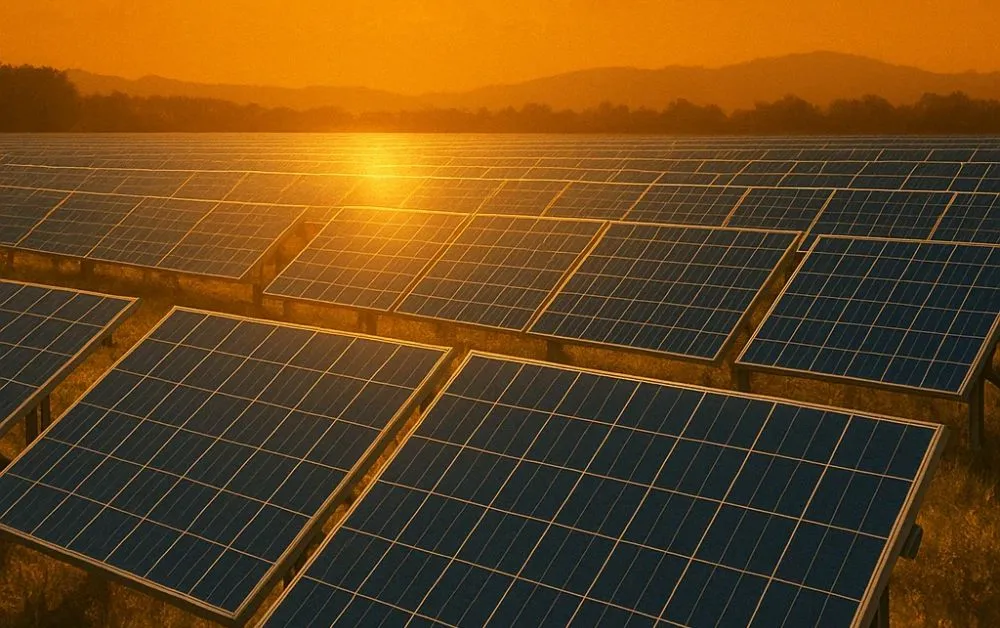
    Fundamentally, efficiency in solar panels refers to the ability of a solar panel to transform sunlight into valuable electricity. It is quantified as a percentage. A 20% efficient solar panel can convert 20% of the sunlight falling on its surface into electricity. The higher the efficiency, the more energy is produced from a smaller panel surface area, which is particularly relevant when space is scarce.

    Why Efficiency Is Important

    The efficiency of a solar panel dictates the amount of electricity it can generate, particularly in situations with low sunlight or available rooftop space. Here’s why it’s crucial:

    • Higher Output: The more efficient panel will yield more power, enabling you to cover your energy requirements with fewer panels.
    • Space Optimization: High-efficiency panels are best for smaller rooftops or off-grid setups where every inch of space matters.
    • Long-Term Value: Efficient panels contribute to greater energy savings and quicker return on investment.
    • Lower Installation Costs: A smaller number of panels required means less racking, wiring, and labor, translating to lower system costs.

    For Tanzanian consumers, particularly those residing in rural or far-off regions, selecting efficient panels from a reliable solar energy provider in Tanzania, such as TAMGO, will provide maximum performance and power reliability.

    Key Factors That Affect Solar Panel Efficiency

    Knowing what affects solar panel efficiency can inform your purchasing decisions. These are the key factors:

    1. Solar Cell Technology

    There are different types of solar cells with varying efficiencies:

    • Monocrystalline Panels: Highly efficient (18–23%), these panels remain efficient even in low-light conditions.
    • Polycrystalline Panels: Less efficient (15–17%) but cheaper.
    • Thin-Film Panels: These are the least efficient (10–12%), but flexible and lightweight, making them ideal for specific applications.

    2. Temperature

    Solar panels perform better in cooler temperatures. High temperatures decrease their efficiency. Panel design and installation, therefore, become vital in hot climates, such as those in Tanzania. Ventilation, as well as adequate spacing, can ensure optimal performance.

    3. Panel Orientation and Tilt

    The direction your panels face and the angle at which they are installed affect the amount of sunlight they capture. Ideally, panels should face the sun throughout the day to maximize exposure.

    4. Shading

    Even partial shading from trees, buildings, or debris can significantly reduce a panel’s output. Microinverter technology and proper site planning help minimize this loss.

    5. Age and Degradation

    Solar panels tend to lose efficiency over time, typically decreasing by 0.5% to 1% annually. Selecting quality solar panels from a trusted solar energy provider in Tanzania, such as TAMGO, ensures you receive long-lasting products backed by robust warranties and comprehensive long-term service.

    Related read:-How a Solar Energy Supplier in Tanzania Can Help You Save Money?

    Measuring and Comparing Solar Panel Efficiency

    When purchasing solar panels, it is essential to compare technical specifications. Check for the following:

    • Efficiency Rating: Normally mentioned on the panel datasheet.
    • Temperature Coefficient: Shows how performance varies with temperature. A lower coefficient indicates greater thermal efficiency.
    • Performance Ratio (PR): Compares actual output to predicted output and is affected by weather, inverter efficiency, and design of the system.

    Is Higher Efficiency Always Better?

    Although high-efficiency panels are the best choice in most cases, they also come at a higher price. If you have an abundance of roof area and sunlight exposure, a cheaper, medium-efficiency panel will still suffice. Always consider your specific energy needs, budget, and space requirements.

    All that being said, in applications where reliability and peak energy output are paramount — like off-grid houses or buildings in Tanzania — high-efficiency panels tend to yield more long-term value. Working with a seasoned solar energy provider in Tanzania, such as TAMGO, can help you customize the optimal solution for your property and budget.

    Maximizing Solar Panel Efficiency: Tips

    The following are some valuable tips to get your solar system to peak performance:

    • Keep Panels Clean: Debris and dust will block the sun, decreasing output.
    • Regular Maintenance: Have your system checked regularly to identify and correct performance issues.
    • Use High-Quality Inverters: The inverter converts DC power to AC electricity, which can impact overall system efficiency.
    • Intelligent Monitoring: Monitor your system’s performance in real-time to identify efficiency declines and address problems promptly.

    Conclusion

    Understanding solar panel efficiency is crucial for making informed decisions about energy. Whether you’re looking to power your home, office, or remote facility, choosing the right panel and optimizing its performance can dramatically impact your energy output and savings. Efficiency isn’t the only factor, but it’s one of the most important.

    For those seeking a reliable solar energy provider in Tanzania, TAMGO offers efficient solar solutions, backed by expert consultation, professional installation, and post-sales support. With TAMGO, you can optimize the power of the sun and make a confident move toward energy independence and sustainability.

    Have your investment shine with the correct information and the right partner.

  • Best Practices for Sourcing Diesel Generators from Tanzanian Suppliers

    Best Practices for Sourcing Diesel Generators from Tanzanian Suppliers

    In Tanzania, diesel generators are used in business offices, construction sites, hospitals, remote villages, and countless other businesses. As more demand for reliable energy solutions in the region is experienced, acquiring diesel generators from Tanzanian suppliers has become strategically relevant. As a project manager, procurement officer, or business owner, understanding the best acquisition practices from Tanzanian suppliers will help you purchase quality equipment, lower downtime, and maximize your budget.

    This blog will walk you through key practices in sourcing from a diesel generator supplier in Tanzania to ensure you are well informed and confident.

    1. Define Your Power Requirements

    Before contacting any diesel generator supplier, clearly define your power needs. Determine how much power or kilovolt-ampere (kVA) is required to power your operations. Consider continuous load and peak load requirements, in addition to any future power needs that will arise.

    • Tip: Make a load list of all appliances and equipment to be powered.
    • Tip: Add start-up surge power for machines such as motors and compressors.

    Knowing your needs will guarantee the generation capacity required to avoid under or over-sizing, resulting in low efficiency or damage to the equipment.

    2. Source from Reputable Local Tanzanian Suppliers

    Not all suppliers are equal regarding reliability, support, and product quality. Choose a diesel generator supplier in Tanzania with a good reputation, track record, and established industry experience.

    • Check reviews, testimonials, and case studies.
    • Ask for referrals from your past customers within your industry.
    • Choose suppliers that are certified or aligned with top generator brands.

    Having a local and reliable supplier translates into prompt support, availability of parts, and on-site service teams, all essential to minimal operational downtimes.

    3. Assess Generator Brands and Technologies

    Tanzanian suppliers tend to provide an array of generator brands—ranging from widely known global names to local and affordable options. Affordability is a consideration, but not at the expense of quality.

    • Choose generators with a reputation for durability, fuel efficiency, and support services.
    • Compare noise levels, automation, fuel tank capacity, and emissions standards.
    • Inquire from the supplier where the generators originated—some might be locally assembled with imported parts.

    A good diesel generator supplier will enlighten you on the advantages and disadvantages of each brand and point you to a solution that meets your budget and technical requirements.

    4. Inspect Before Purchase

    Whenever possible, physically inspect the generator unit before confirming the order. Whether new, refurbished, or used, a visual inspection and a test run can reveal much about its condition.

    • Check for wear and tear, signs of leakage, or corrosion.
    • Ensure the control panel functions properly.
    • Run the generator under load to test output and performance.

    Many suppliers in Tanzania perform pre-delivery inspections and operational tests before delivery.

    5. Ensure Warranty and After-Sales Support

    In most cases, after-sales service is essential when buying from a diesel generator supplier in Tanzania. Understand what warranty is offered, its period, and what items are covered (components, labor, etc.).

    • Inquire about their competence and capacity to offer spare parts locally.
    • Ensure that they have maintenance contracts or regular servicing.
    • Understand response time in the event of a breakdown.

    A supplier with good after-sales service ensures sustained performance and minimizes the cost of ownership.

    Suggested Read-Why Tamgo is the Leading Diesel Generator Supplier in Tanzania?

    6. Compare Pricing – But Don’t Compromise on Quality

    Compare prices naturally, but the most affordable option is not always the best. Instead, look at the overall value: Is delivery, installation, training, and service covered by the price?

    • Request detailed quotations from multiple suppliers.
    • Verify if VAT and customs duties are included in the price.
    • Consider fuel efficiency and lifecycle costs when calculating long-term expenses.

    An experienced diesel generator supplier will give you a transparent breakdown of costs and offer flexible options such as leasing, rentals, or phased payments.

    7. Check Compliance with Local Standards and Regulations

    In Tanzania, the importation and running of diesel generators must be relative to local standards. Ensure that the supplier follows all safety and regulatory compliance.

    • Request documentation on TBS compliance.
    • Ensure that the generator is compliant with emission standards and noise regulations.
    • Ensure that a licensed professional does the installation.

    A compliant generator ensures safety and no fines and operates smoothly in a regulated environment.

    8. Logistics and Delivery Timeline

    Verify delivery schedules before signing any agreement. Delayed delivery hampers operations and raises costs.

    • Find out whether they have the generator in hand or on order.
    • Clarify who will conduct transportation, offloading, and installation.
    • Verify if the site is ready for foundation, ventilation, and access delivery.

    Better Tanzanian suppliers used to take up turnkey solutions site evaluation to ultimate commissioning for a proper handover.

    9. Written Agreement

    After all the details are settled—price, delivery, warranty, and support—have everything recorded in a written purchase agreement.

    • Add generator specifications, delivery timelines, and payment terms.
    • State installation, commissioning, and training responsibilities.
    • State any service-level agreements (SLAs) for maintenance or repairs.

    This will protect both parties and act as a point of reference in case of disagreements or requests for service.

    Conclusion

    Buying diesel generators from Tanzanian vendors is a good business decision for enterprises looking for dependable, affordable power solutions. Yet, to get the best value for your money, it’s essential to observe best practices—from knowing your power requirements to ensuring after-sales assistance. Choose a proven diesel generator supplier with a history, transparent pricing, and customer service commitment. Proper planning and research will enable you to ensure constant power supply, lower operating costs, and peace of mind in the long run.

  • Solar Energy Company in Tanzania: Navigating Regulations and Permits

    Solar Energy Company in Tanzania: Navigating Regulations and Permits

    As the global community moves toward sustainable and renewable energy sources, the options have not left Tanzania behind. The nation has been making great strides in tapping solar energy to propel the growing population through power sources, especially in rural and off-grid areas. This follows the contributions of the solar energy company in Tanzania. These companies are driving innovation, providing access to clean energy, and supporting the government’s electrification goals. However, they must navigate a landscape of regulations, permits, and compliance procedures to operate effectively. Understanding these legal and administrative frameworks is crucial for local and international stakeholders investing in Tanzania’s solar market.

    Understanding Tanzania’s Solar Energy Potential

    Tanzania is endowed with abundant solar resources. The country is well-positioned to harness solar energy for domestic and industrial use, with an average solar irradiance of about 4.5–6.5 kWh/m²/day. The government and private sector have increasingly recognized this potential in recent years, leading to a significant rise in solar installations nationwide. This includes solar home systems, mini-grids, and institutional solar systems for schools, health centers, and public offices.

    At the heart of all these technologies is a solar energy firm that is meant to offer everything from solar panels and batteries to installation and maintenance. However, understanding the regulatory environment is behind every successful solar project.

    Key Regulatory Authorities

    To successfully launch and run a solar energy firm in Tanzania, it is vital to have an understanding of the roles played by key regulatory authorities:

    • Energy and Water Utilities Regulatory Authority (EWURA): EWURA is the primary regulatory authority that licenses, approves tariffs, sets safety standards, and oversees energy-related activities. The firms have to get an operating permit from EWURA for any solar mini-grid or any scheme of energy distribution.
    • Rural Energy Agency (REA): The REA supports rural electrification initiatives, often working with private companies. It administers grants and subsidies to facilitate solar energy projects in underserved areas.
    • Tanzania Electric Supply Company (TANESCO): While TANESCO primarily focuses on grid electricity, its role intersects with solar mini-grids that may eventually be connected to the national grid. Coordination with TANESCO is necessary, especially for hybrid projects.
    • Tanzania Investment Center (TIC): For foreign investors or large-scale projects, TIC offers investment facilitation services and can significantly assist in clearing bureaucratic bottlenecks.

    Licensing and Permit Requirements

    Getting licenses and permits is the first step in negotiating the regulatory environment. Here are the main steps a solar energy firm in Tanzania should undertake:

    1. Business Registration

    The process begins with registering the company via the Business Registration and Licensing Agency (BRELA). This entails selecting a business form—e.g., a limited company, partnership, or sole proprietorship—and acquiring a certificate of incorporation.

    2. Taxpayer Identification Number (TIN)

    All companies are required to register with the Tanzania Revenue Authority (TRA) to get a TIN. This is needed for legal and financial operations and tax payments.

    3. Sector License from EWURA

    For any solar project exceeding 1 MW in capacity or involving power generation and distribution, companies must obtain a license from EWURA. The application process includes submitting the following:

    • A feasibility studies
    • Environmental Impact Assessment (EIA) report
    • Technical and financial capability documents
    • Business plan and project description

    4. Environmental and Social Permits

    Projects that could significantly impact the environment require an Environmental and Social Impact Assessment (ESIA) approved by the National Environment Management Council (NEMC). This is especially important for solar farms, which may affect land use, vegetation, or water resources.

    5. Land Acquisition Permits

    Land is an essential aspect of a solar project. Companies should ensure interaction with all stakeholders at the local authority level and, as the case may be, with the Ministry of Lands, Housing, and Human Settlements Development to acquire land titles or lease agreements. Community engagement and consent are essential during rural projects.

    6. Import Permits and Standards Compliance

    Most of the solar equipment is imported. Consequently, a solar energy company in Tanzania ought to ensure observance of requirements with the TBS and must secure import permits wherever such a permit is required. Observance of quality standards ensures the safety and durability of solar systems.

    See also-How a Solar Energy Supplier in Tanzania Can Help You Save Money?

    Challenges in Navigating Regulations

    Even though the frameworks are clear, the solar energy company in Tanzania faces some challenges:

    • Long Approval Processes: Bureaucratic processes will delay project implementation. Companies face lengthy waiting periods for license approval and permit processing.
    • Multiple Mandated Competencies: Government agencies may have overlapping regulatory competencies, causing confusion and duplication of efforts.
    • Prohibitive Cost for Small Firms: Expenses, including license acquisition, environmental impact assessment preparation, and compliance with technical standards, are costly to small or start-up solar firms.
    • Changing Policies: This involves monitoring constantly to comply, along with legal support.

    Streamlining and Opportunities for Support

    Streamlining the growth of the solar sector has become the concern of the Tanzanian government and its international partners through regulatory reforms, which include the following:

    • Mini-Grid Regulations: EWURA presented regulations to ease the licensing process for small power producers (SPPs) before entering rural areas.
    • Investment Incentives: Tax relief, exemptions on Value Added Tax on solar equipment, and entry into special economic zones are incentives the Tanzania Investment Center provides to eligible investors.
    • Technical Assistance Programs: Development agencies and donors offer training, capital, and policy assistance to enhance the regulatory environment.

    Conclusion

    The prospects for solar power in Tanzania are bright, with a growing need for clean and consistent electricity throughout the country. However, understanding and effectively navigating the regulatory and permitting process is non-negotiable for a solar energy company in Tanzania to thrive. By engaging with the proper authorities, fulfilling licensing requirements, and staying updated on policy changes, these companies can unlock vast opportunities while contributing to the nation’s energy transformation. As more players join the solar market, streamlined processes, supportive policies, and coordinated efforts shall be vital for mass-scale solar access for all Tanzanians.

  • Key Components of an Efficient Industrial Desalination System

    Key Components of an Efficient Industrial Desalination System

    Industrial desalination systems are critical in counteracting the issue of global water shortages, particularly in areas with limited freshwater resources. The systems are implemented throughout different industries, such as power, oil and gas, mining, and manufacturing, to offer a sustainable and dependable freshwater supply. As the thirst for clean water grows, the need for effective and affordable desalination systems has never been greater. This blog will discuss the major parts of an efficient industrial desalination system, how they work, and why they matter for optimum performance.

    1. Pre-treatment Unit

    Pre-treatment is one of the integral components of industrial desalination processes. The water must be pre-treated before the primary method of desalination to eliminate suspended solids, large particles, and organic compounds. This prevents fouling, scaling, or membrane or thermal unit damage.

    Some popular pre-treatment technologies include:

    • Filtration (sand filters, multimedia filters)
    • Chemical dosing (antiscalants, biocides, coagulants)
    • Sedimentation tanks
    • Ultrafiltration (UF) for more sophisticated treatment

    A well-designed pre-treatment system reduces operational costs, extends the life of downstream components, and improves overall efficiency.

    2. Desalination Core (RO or Thermal Technology)

    Industrial desalination systems primarily rely on their core desalination unit. It is the stage where the actual separation of salt from seawater or brackish water. This is divided into two primary methods:

    a. Reverse Osmosis (RO)

    RO is a membrane-based technology where pressurized feedwater is forced through semi-permeable membranes, separating salts and impurities. It is widely used due to its energy efficiency and compact footprint. Key components here include:

    • High-pressure pumps
    • Membrane modules
    • Pressure vessels
    • Energy recovery devices (ERDs)

    b. Thermal Desalination

    In thermal methods like MSF or MED, the salts get left behind once water is heated and evaporated. Fresh water is obtained after condensing the vapor. These systems prefer places with plentiful waste heat or steam.

    Whether to go with RO or thermal desalination depends upon feedwater quality, energy availability, and specific industrial requirements.

    3. Energy Recovery Systems

    Energy consumption is one of the significant operating costs in industrial desalination systems, especially in RO-based setups. Efficient systems incorporate Energy Recovery Devices (ERDs) that capture and reuse the hydraulic energy from the high-pressure brine stream.

    Types of ERDs include:

    • Pressure exchangers
    • Turbochargers
    • Pelton wheels

    Using ERDs, operators can reduce energy consumption by up to 60%, significantly lowering operating expenses and improving system sustainability.

    4. Post-Treatment Unit

    When the desalinated water is generated, it sometimes needs conditioning before its application to industrial processes. The post-treatment ensures that the water is of quality specification, including pH, mineral levels, and microbial quality.

    Post-treatment operations can include:

    • Remineralization (the addition of calcium and magnesium)
    • pH adjustment (by the addition of lime or CO₂)
    • Chlorination or UV disinfection
    • Deaeration or degassing

    This phase ensures that the water is clean and chemically normalized for its desired application, whether in cooling systems, boilers, or production lines.

    Explore more-The Role of Water Treatment in Enhancing Manufacturing Efficiency

    5. Brine Management System

    Desalination generates a highly concentrated waste stream known as Brine, which has to be dealt with responsibly to ensure minimal environmental effects. A sound brine management system is primely important in sustainable industrial desalination systems.

    Some of the standard brine disposal and management methods are:

    • Discharge into the sea with adequate dilution and dispersion
    • Crystallization or concentration of Brine
    • ZLD technologies
    • Reuse in other industrial processes.

    New technologies are coming up that could extract valuable minerals from Brine, convert waste into products, and make it economical.

    6. Control and Monitoring Systems

    Automation and real-time monitoring must be in place to ensure reliability and efficiency in industrial desalination systems. Modern systems have installed SCADA platforms and smart sensors, and they typically offer data for such parameters as flow rate, pressure, salinity, temperature, and membrane performance.

    The advantages of effective monitoring include the following:

    • Proactive maintenance
    • Energy efficiency reduction
    • Accurate reporting for legal compliance

    With the onset of Industry 4.0, IoT and AI-based analytics can further improve predictive maintenance and optimize system performance.

    7. Infrastructure and Materials

    Industrial desalination systems face severe salinity, pressure, and temperature conditions. The selection of materials for pipelines, tanks, membranes, and structures is critical to ensuring system durability and lifespan.

    Materials used are typically:

    • Duplex stainless steel
    • Super austenitic alloys
    • Titanium (in thermal units)
    • High-performance polymers

    Using corrosion-resistant and high-strength materials ensures minimal maintenance and a longer operational lifespan.

    Conclusion

    Industrial desalination systems are critical for supporting industries in water-scarce regions, helping ensure a steady supply of clean water for operational needs. An efficient system is not just about converting seawater to freshwater; it’s about optimizing every stage — from pre-treatment to post-treatment, energy recovery to brine management.

    By investing in advanced technologies, high-quality materials, and intelligent automation, industries can build desalination systems that are sustainable, cost-effective, and resilient. As global water demand rises, the efficiency and innovation within these key components will define the future of industrial water treatment.

  • Why Solar Water Pumps Are the Future of Sustainable Irrigation?

    Why Solar Water Pumps Are the Future of Sustainable Irrigation?

    Sustainable agriculture is more critical than ever in light of escalating pressures on water and food resources and rising energy prices in the context of climate change. The most hopeful innovation in agricultural sustainability can be viewed through solar water pump technology. Solar irrigation pump systems have transformed farmers’ access to and utilization of water resources, particularly in remote or off-grid areas. This post explores why solar water pumps are the future of sustainable irrigation, referring to their benefits, working principles, and long-term influence on agriculture and the world.

    Introduction: A New Era of Irrigation

    Conventional irrigation systems based on diesel or electric pumps, besides being costly, are also harmful to the environment. Such systems tend to produce fuel emissions, have high running costs, and depend on grid electricity, which is frequently unreliable in rural areas. With the world heading toward clean and renewable energy resources, solar water pumping systems are becoming a low-cost, environmentally friendly option for farmers.

    Solar water pumps harness the power of the sun to pump water from sources like boreholes, rivers, or wells and hence are extremely useful in arid and semi-arid regions. Through reduced consumption of fossil fuels and ensuring a more consistent supply of water, they are a vital innovation for modern agriculture.

    How Solar Water Pumps Work

    Solar water pumps run on photovoltaic (PV) panels that generate electricity from sunlight. The electricity drives the pump, which pulls water from the source and distributes it to the field or a storage tank. The central elements of a standard solar water pumping system are:

    • Solar panels
    • Controller/inverter
    • Pump (submersible or surface)
    • Water storage (optional but widespread)

    There are two major types of solar water pumps: submersible pumps, which are used for deep water sources, and surface pumps, which can be used for shallow water sources. The system’s scalability makes it viable for application from a small vegetable garden to a vast farmland.

    Advantages of Solar Water Pumping Systems

    1. Eco-Friendly and Renewable

    Solar water pumps utilize clean solar energy, reducing greenhouse emissions and the environmental impact of irrigation. This fits with global agendas for the mitigation of climate change and the promotion of sustainable agriculture.

    2. Cost-Effective in the Long Term

    While the initial installation cost will be substantial, solar water pumping systems are cost-saving in the long run. They reduce fuel costs and maintenance requirements and, in most cases, enjoy government subsidies or incentives.

    3. Low Maintenance and Long-Lasting

    These mechanisms have fewer moving parts than traditional pumps, so they experience less wear and tear. They can withstand harsh conditions, and upkeep is minimal.

    4. Energy Independence

    Solar pumps allow farmers to be independent of grid electricity or the availability of diesel. This is especially significant for farmers in rural areas with poor infrastructure or recurrent power outages.

    5. Water-Efficient Irrigation

    Solar water pump systems can be integrated with modern irrigation techniques like sprinkler or drip systems to maximize water use and minimize wastage.

    6. Scalability and Flexibility

    Small and big agricultural farms find solar water pumps relatively easy to upscale. Farmers can upscale their systems through incremental additions, depending on water needs and farm size.

    Role in Sustainable Agriculture

    Sustainable agriculture relies on efficient resource use, environmental protection, and economic sustainability. Solar water pumps satisfy all three of these requirements:

    • Efficient Use of Resources: They reduce the reliance on fossil fuels and enable precise irrigation, conserving energy and water.
    • Environmental Conservation: Solar water pumping systems reduce carbon emissions and prevent air and land pollution due to diesel.
    • Economic Sustainability: Lower operating costs and increased crop yields translate into increased profitability for farmers.

    By promoting the conservation of resources and economic benefits, solar pumps assist in developing a stronger and self-reliant agricultural economy.

    Also Read-Innovations in Solar Water Pumping Systems for Tanzania’s Water Needs

    Case Studies: Real-World Impact

    Farmers in most developing countries have already adopted solar water pumping systems. For example:

    • In India, small-scale farmers have increased crop productivity by switching from diesel pumps to solar pumps through support from government initiatives like PM-KUSUM.
    • Governments and NGOs have brought off-grid villages with solar pumps to the African continent for increased food security and reduced urban migration.
    • Solar irrigation has enabled desert farming in Middle Eastern arid lands, converting sandy land into productive fields.

    The success stories highlight how solar water pumps are not a fad but a revolutionary solution for world agriculture.

    Challenges and Considerations

    Even with the numerous advantages, the adoption of solar water pumping systems has some challenges:

    • Initial Investment: The initial investment can be discouraging, particularly for small-scale farmers without credit or subsidy access.
    • Technical Knowledge: Some technical knowledge is needed for installation and maintenance, which may not be easily accessible in remote localities.
    • Water Source Reliability: Solar pumps depend on reliable water sources; regions with decreasing groundwater levels might require extra planning.

    However, these challenges are being addressed through financing mechanisms, training programs, and government schemes to enhance access and efficiency of solar irrigation.

    Government and Policy Support

    To encourage the widespread usage of solar water pumps, numerous governments are offering subsidies and incentives. These are:

    • Financial assistance for installation and equipment
    • Low-interest loans to farmers
    • Awareness programs and training to make users more sensitized
    • Partnerships with NGOs and the private sector to ensure last-mile delivery and maintenance

    This is the key policy in bridging the innovation-implementation gap.

    Conclusion: The Future is Bright — and Solar-Powered

    The transition to sustainable irrigation is not only required; it is imminent. Solar water pumping technology represents a scalable, environmentally friendly, and affordable solution for agriculture worldwide, particularly in water-scarce and energy-poor regions. With further advances in solar technology and decreasing costs, solar water pumps will become more affordable and indispensable for farmers globally.

    In the near future, with sunlight energy in conjunction with innovative irrigation systems, IoT-based monitoring, and sustainable land use practices, we will redefine what we define as agriculture.

    It is no longer a debate about why solar water pumps will be the future of sustainable irrigation – it’s already underway.

    By adopting this clean technology, we guarantee improved harvests and healthier living for generations to come.

  • How Dewatering Pumps Keep Construction Sites Dry and Safe?

    How Dewatering Pumps Keep Construction Sites Dry and Safe?

    Construction sites are constantly beset with environmental problems such as rainwater, groundwater, or seepage from nearby water sources. Such water intrusions disrupt work, destroy equipment, erode foundations, and pose significant safety risks. That is where dewatering pump systems come in. This vital equipment is designed to remove unwanted water from construction sites, enabling work to flow smoothly and safely. In this blog, we will explore how dewatering pumps operate, the different types of pumps used, and why maintaining dry and secure construction conditions is critical to them.

    Introduction to Dewatering Pumps Systems

    Dewatering pump systems aim to extract water from a site and let it out elsewhere. Dewatering systems are extensively used in construction, mining, and municipalities. Dewatering is critical in excavation, tunneling, foundation work, and where construction sites have a high-water table or high rainfall.

    Water accumulation can cause numerous problems. It will inundate trenches, cause grounds to destabilize and delay project timelines. If not halted, standing water can also become a mosquito and insect breeding pool. More importantly, it can undermine the structural support of buildings and make workspaces dangerous for workers. Because of this, an effective dewatering plan is not an option—it is a necessity.

    Why Construction Sites Need Dewatering

    There are numerous reasons why construction sites require effective dewatering pump systems:

    • Safety of Workers: Waterlogged sites increase the risk of slips, trips, and falls. Dewatering pumps ensure that the work area is dry and promote site safety.
    • Stability of the Foundation: Water can erode or weaken the ground structure, affecting the foundation’s stability. Proper dewatering guarantees the ground is compact and stable.
    • Prevention of Equipment Damage: Construction equipment and electric appliances are not designed to function in wet environments. Dewatering prevents valuable equipment from water damage.
    • Regulatory Compliance: Most construction activities are regulated by environmental laws that require sufficient water management in the field. The installation of a dewatering system prevents non-compliance with these regulations.

    How Dewatering Pumps Work

    Dewatering pump systems work by a motor producing suction to draw in water through an intake and push it out through a discharge pipe into a designated area, typically a storm drain, retention pond, or sewer. Several methods and styles of pumps can be used depending on site conditions.

    Some dewatering techniques consist of:

    • Wellpoint Systems: Several wells of small diameters are drilled around the excavating area. The wells are connected to a header pipe and pump, which removes groundwater before it reaches the excavation.
    • Sump Pumping: A sump pit is dug at the lowest level of the site for the sole reason of water collection. A submersible pump is placed within the pit to drain water as it settles.
    • Deep Well Systems: Submersible pumps are mounted in deep wells along the perimeter of the excavation in high water table conditions. These submersible pumps lower the water table significantly over an extensive area.

    All these systems utilize a specific dewatering pump, selected based on the quantity of water, type of soil, and depth of excavation.

    See also-How Dewatering Pump Systems Support Sustainable Water Management?

    Types of Dewatering Pumps Systems

    Several dewatering pump systems come into the market with specific applications:

    1. Centrifugal Pumps: Ideal for transferring large amounts of water within a limited time. They are generally applied where dewatering operations are shallow and where the water contains some solid particles.
    2. Submersible Pumps: Placed directly in water, they are best fitted for deep or limited positions. Submersible pumps consume less energy and are quieter.
    3. Trash Pumps: A centrifugal pump, trash pumps are designed to pump water with debris, sludge, or sediment—ideal for construction projects on muddy ground.
    4. Diaphragm Pumps: Positive displacement pumps well-suited for slow, controlled dewatering, especially where solids and slurry are present.

    The right pump is required. The amount of water, site size, and debris content must be considered to get the most from it.

    Advantages of Installing Dewatering Pumps Systems on a Construction Site

    Installing the proper dewatering pump systems on a construction site provides several advantages:

    • Increased Efficiency: Dry conditions enable machines and laborers to work effectively, preventing project delays.
    • Increased Safety: Drying water from the site helps avoid accidents and injuries.
    • Protection of Your Investment: Heavy machinery and structural materials are protected from water damage.
    • Cost Savings: Avoiding water-related delays and damages prevents unnecessary repair and maintenance expenses.
    • Environmental Management: Successful dewatering reduces the likelihood of surface runoff contamination and soil erosion.

    Maintenance and Best Practices

    For their long-term performance, dewatering pumps require periodic maintenance. This includes cleaning against clogging, seal and hose checks, and ensuring power supplies and standbys function.

    A few best practices to be remembered are:

    • Monitor pump operation regularly, especially during periods of heavy rainfall.
    • Use proper filters or screens to prevent debris from harming the pump.
    • Mount pumps on elevated, level platforms to avoid submergence in the event of unexpected water inflow.
    • Have standby pumps available for unexpected emergencies.

    Safe installation, operation, and maintenance of dewatering pump systems can significantly extend equipment life and enhance site efficiency.

    Conclusion

    In the ever-changing landscape of buildings, water is a familiar foe. Rain, groundwater, or even near water sources can result in uncontrolled water, compromise project integrity, delay schedules, and pose dangerous working conditions. Luckily, there are dewatering pumps systems.

    By selecting the optimal dewatering method and pump type, building professionals can maintain their sites dry, safe, and ready for advance. Investing in quality dewatering equipment is not only a sound decision—it’s an integral part of any successful construction project.

  • Troubleshooting Water Treatment Systems in Beverage Factories

    Troubleshooting Water Treatment Systems in Beverage Factories

    Water is the cornerstone of beverage production. Soft drinks and fruit juices, bottled water and beer, wine, and spirits — water plays a central role in formulation, cleaning, process-acting, and packaging. A consistent, clean, and contaminant-free water supply is required to maintain product quality and integrity. However, even with the latest water treatment systems, issues that degrade efficiency and conformance do arise. This blog explores the fundamental process of water treatment system troubleshooting in beverage facilities, gaining insight into common problems, diagnostics, and best practices for resolution—specifically applied to the Water Treatment Food and Beverage Industry.

    Introduction

    In the highly regulated Water Treatment Food and Beverage Industry, beverage facilities must have strict quality controls. Straying from water quality can affect flavor and shelf life or become a health risk. Water treatment systems are implemented to cleanse impurities, stabilize pH levels, and achieve microbiological safety. However, since they are like any complex system, they also run the risk of mechanical failure, chemical imbalance, and operational inefficiency.

    Troubleshooting such systems is necessary for compliance and to uphold brand integrity and consumer confidence. Early issue detection and proper repair can reduce downtime, waste, and lost production.

    Knowing the Elements of Water Treatment Systems

    Before troubleshooting, it is necessary to know the common elements contained in a beverage factory water treatment system:

    1. Pre-treatment filters: they filter out big particulates and sediments.
    2. Activated carbon filters: minimizing chlorine, taste, and odor chemicals.
    3. The water softeners: minimize hardness because of calcium and magnesium.
    4. Reverse osmosis (RO): minimizing dissolved solids and impurities.
    5. UV sterilization or ozone treatment: sterilizing water to kill microbes.
    6. pH adjustment systems: maintain water chemistry in balance.

    All these have a significant role in ensuring that the final water’s quality conforms to specifications.

    Common Problems in Beverage Factory Water Treatment Systems

    Troubleshooting begins by identifying the root cause of the issue. Some of the most frequent issues encountered are as follows:

    1. Taste or Odor in Water

    This is usually the first sign that something went awry. Potential causes include:

    • Used-up or flooded activated carbon filters
    • Contamination of storage tanks through bacteria
    • Excessive organics evading filtration

    Solution: Carbon filter replacement, recycling, tank cleaning, and microbial testing.

    2. Scale Deposits in Equipment

    Hard water causes scale buildup. Thus, boilers, heaters, and pipes are affected.

    • Water softeners drained or not functioning.
    • Incorrect salt regeneration cycles

    Solution: Control and modify the softener’s regeneration cycle and ensure adequate salt level and flow rates.

    3. Low Pressure on RO System

    Reverse osmosis equipment is pressure-sensitive. Culprits include:

    • Fouled membranes
    • Clogged pre-filters
    • Faulty pumps or valves

    Solution: Change RO membranes, clean or replace, and inspect pump operation as timed.

    4. Microbial Contamination

    Even after disinfection procedures, microbial contamination could arise from:

    • Ineffective ozone systems or UV lights
    • Biofilm in pipelines and tanks
    • Less frequent sanitation practices

    Solution: Frequent microbial testing, regular cleaning schedules, and frequent performance monitoring of disinfection systems.

    5. Incorrect Ph Levels

    • Water that is too acidic or alkaline affects flavor and equipment life.
    • Faulty pH sensors or dosing pumps
    • Incorrect calibration

    Solution: Periodic sensor and pump calibration and verification of chemical dosing accuracy.

    Related read:-The Importance of Water Treatment in the Food and Beverage Industry

    Step-by-Step Trouble Shooting Process and Best Practices

    A systematic troubleshooting process results in faster and improved solutions. The following are key steps and best practices:

    Step 1: Data Logging and Monitoring

    Capture data from flow meters, pressure gauges, pH meters, and TDS monitors on a periodic schedule. Real-time analysis allows early warning of excursions.

    Step 2: Visual Inspections

    Daily visual inspection will uncover problems like leaks, staining, or scaling. Don’t underestimate the importance of hands-on inspection.

    Step 3: Root Cause Analysis

    Use tools like fishbone diagrams or the 5 Whys technique to drill down to the root cause of the problem. Don’t treat symptoms.

    Step 4: Routine Maintenance Schedules

    Preventative maintenance is the key. Change filters, service pumps, clean tanks, and verify calibration according to manufacturer recommendations.

    Step 5: Staff Training

    Ensure operators are trained to identify abnormalities and follow standard operating procedures (SOPs) for direct containment.

    Step 6: Call in the Experts When Necessary

    Specialized problems may be resolved through outsourced consultants or OEM experts. Don’t be afraid to call experts for advanced diagnosis or upgrading.

    Long-Term Reliability Preventative Steps

    Troubleshooting is not always about fixing problems—it’s about stopping them from happening again later. Remember to keep the following steps in mind:

    • Include SCADA systems for automation and control.
    • Maintain detailed records of system performance and maintenance history.
    • Use quality consumables like filters, membranes, and reagents.
    • Regular audits will guarantee compliance with industry standards.

    Frequency review of water treatment procedures based on Water Treatment Food and Beverage Industry standards guarantees safety, efficiency, and compliance.

    Conclusion

    Water treatment systems are the unsung heroes of beverage production, ensuring that every bottle, can, or carton meets the quality consumers expect. But when mistakes do happen, rapid and well-educated fault diagnosis is crucial. Beverage plants can safeguard product integrity and plant effectiveness by staying knowledgeable about common problems, employing a methodical diagnostic procedure, and giving preventive maintenance high priority.

    In the Food and Beverage Water Treatment Business, the ability to troubleshoot water treatment equipment effectively can mean the difference between conducting business as usual or halting operations at a tremendous cost. With adequate equipment, training, and vigilance, factories can turn potential interruptions into opportunities for improvement and innovation.

    Whether you operate in the beverage sector, make troubleshooting a part of your proactive strategy, not an after-the-fact necessity.