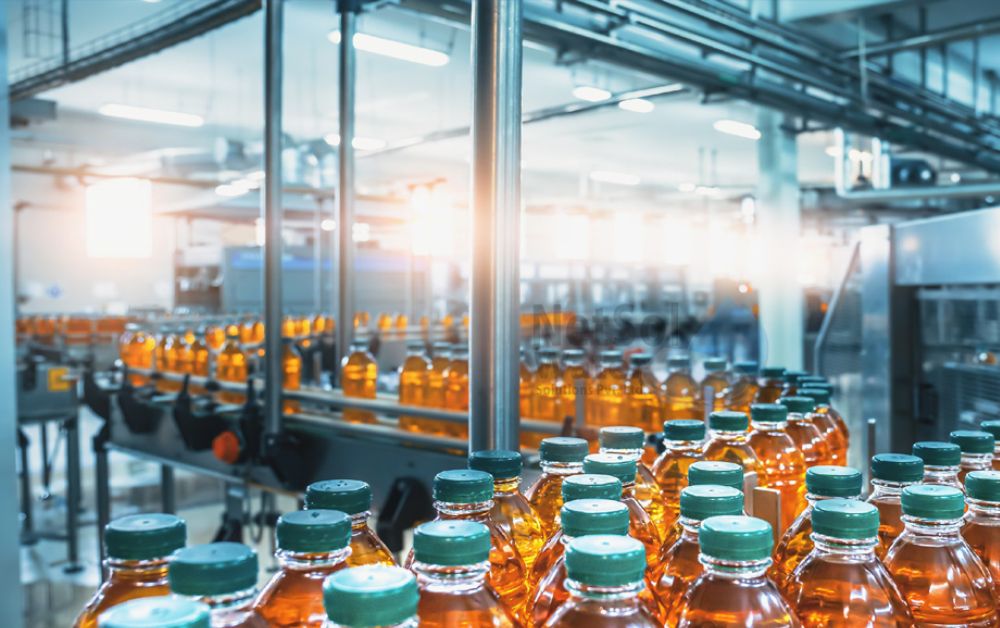
Water is the basis of the beverage business. Water quality impacts the safety, flavor, and shelf life of the finished product, from carbonated beverages and bottled water to juices and flavored drinks. As consumers’ expectations for product purity and safety increase, so do regulatory requirements for beverage manufacturers. This has rendered advanced methods of water treatment not only desirable but obligatory. Of these processes, microfiltration is a significant water treatment process and one of particular interest in the water treatment food and beverage sector.
Here, we discuss why microfiltration is vital to beverage manufacturers and how it ensures consistent product quality, efficient operations, and regulatory compliance.
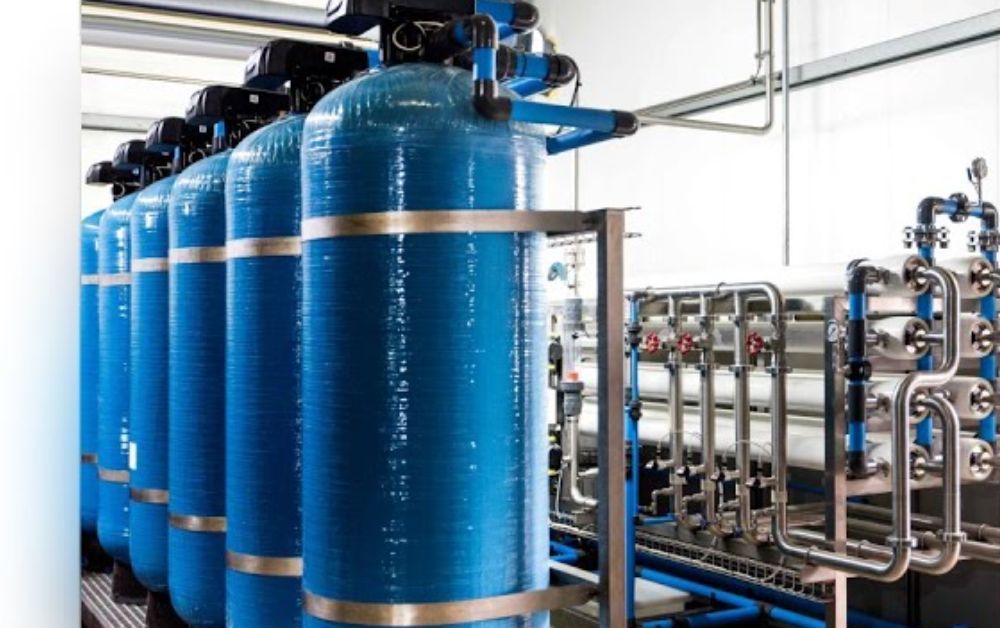
What Is Microfiltration?
Microfiltration (MF) is a membrane separation process that filters particles and microorganisms from liquids. Microfiltration membranes have pore sizes, usually ranging from 0.1 to 10 microns. They can thus remove suspended solids, bacteria, and certain viruses without changing the chemical composition of the water.
Compared to other filtration techniques, such as ultrafiltration or nanofiltration, microfiltration is meant to catch bigger impurities while letting water and dissolved minerals pass. It is thus ideally suited for uses where the objective is to preserve the water’s natural taste and mineral profile and ensure it is microbiologically safe.
The Significance of Microfiltration in Soft Drink Production
Beverage manufacturing requires a water supply that is not only clean but also free from dangerous microorganisms and undesirable particulates. This is why microfiltration is essential to achieve this:
1. Microbiological Safety
One of the most significant threats in beverage production is microbial contamination. Microorganisms like Escherichia coli, Salmonella, and Pseudomonas can jeopardize product safety and lead to costly recalls. Microfiltration offers a chemical-free way of eliminating these microorganisms, making water applied in beverages microbiologically safe.
This is especially critical in cold-fill or aseptic packaging operations, where the drink is not heat-sterilized. Here, the water should always be free from microbial contamination.
2. Uniform Product Quality
Consistency is paramount in the beverage market. Any deviation from water quality may result in variation in the end product’s taste, clarity, and texture. Microfiltration offers a secure means to achieve consistent, high-quality water applied in manufacturing. It eliminates particulates that have the potential to cause haze or sediment, which makes beverages clear and visually pleasing to customers.
3. Compliance with regulations
Regulatory agencies like the FDA and international standards organizations place strict water quality standards on beverage production. Microfiltration allows manufacturers to achieve these standards without using excessive chemical treatment. This is especially beneficial for companies wanting organic or clean-label certification.
4. Maintaining Nutritional and Sensory Characteristics
In contrast to other filtration systems that can leach water of vital minerals, microfiltration permits them to stay undisturbed. This is vital for bottled mineral waters and other drinks where minerals add to the taste and health value of the product. Microfiltration enables only the unwanted constituents to be removed while leaving the original taste and nutritional content intact.
5. Environmental and Cost Benefits
Since microfiltration is a physical process, it uses fewer chemicals than conventional water treatment processes. This not only saves operational expenses but also reduces environmental footprint, which aligns with sustainability objectives. Microfiltration systems are also frequently modular and scalable, which makes them ideal for plants of any size.
Applications of Microfiltration in the Beverage Industry
Microfiltration is applied at different stages of beverage manufacturing:
- Ingredient Water Treatment: Water purification is required before it can be blended with other ingredients. Microfiltration is used to purify such water and remove contaminants.
- Bottled Water Production: Most bottled water companies apply microfiltration to gain clarity and safety without changing the natural mineral content.
- Flavor and Syrup Filtration: Microfiltration is applied during the production of syrups and flavors to eliminate impurities that could impact product stability and flavor.
- Equipment Rinse Water: Rinse water for bottles, tanks, and pipes, which also receive treatment through microfiltration to avoid re-contamination of clean surfaces.
Such applications highlight how pervasive microfiltration is in ensuring hygiene, flavor, and regulatory levels.
Role of Microfiltration in the Water Treatment Food and Beverage Industry
The food and beverage water treatment industry includes an array of technologies to refine water to tight quality and safety requirements. Microfiltration occupies a distinguished position in this network because it can provide high performance while leaving a low environmental impact.
It fills the niche between simple filtration and more severe processes such as reverse osmosis, providing a cost-effective first line of defense against particulate and microbial contamination. Manufacturers of beverages that incorporate microfiltration into their water treatment processes enjoy improved control over water quality, longer shelf life of products, and increased brand confidence.

Conclusion
In the continuously changing world of beverage manufacturing, safety and quality are not to be compromised. Microfiltration is a significant water treatment process because it offers a reliable, chemical-free process of eliminating undesired particles and microorganisms from water without modifying its critical properties.
Microfiltration is a wise investment for producers wanting to meet industry standards, satisfy customers, and maintain sustainability values. Within the water treatment food and beverage industry, it has become a foundation technology that facilitates operational excellence and consumer satisfaction in equal measure.
By adopting microfiltration, drink manufacturers enhance their product integrity and place themselves at the leading edge of innovation and responsibility in a competitive market.
Leave a Reply