Author: admin

  • Diesel Generators vs. Gas Generators: Which One Should You Choose?

    Diesel Generators vs. Gas Generators: Which One Should You Choose?

    Selecting the right generator for your power needs can feel overwhelming, mainly with so many models and fuel types on the market. Among the most common options are diesel and gas generators, each offering distinct advantages depending on cost, fuel availability, maintenance, & usage requirements.

    Whether you need backup power for a home, business, or industrial site, understanding the key differences between these two options can aid you make a confident and cost-effective decision.

    Understanding Diesel Generators

    Diesel generators produce electricity by burning diesel fuel, and they’ve long been trusted for both industrial and residential use due to their strength, efficiency, and reliability.

    • Fuel Efficiency: Diesel units are more fuel-efficient than gas-powered ones. They generate more power per litre of fuel, helping to reduce long-term operational costs.
    • Durability: Built to handle heavy workloads, diesel generators are ideal for continuous or large-scale applications and typically have a longer lifespan.
    • Maintenance: While they do require routine maintenance—such as oil and filter changes—their mechanical design is relatively simple, making servicing more straightforward in most regions.

    Understanding Gas Generators

    Gas generators run on natural gas or propane and are gaining popularity, especially in areas with stable gas supply networks. They offer several notable advantages.

    • Cleaner Operation: Gas generators produce fewer emissions than diesel models, making them more environmentally friendly & suitable for urban areas with strict pollution standards.
    • Fuel Convenience: Where gas pipelines are available, these generators offer an easy, sometimes cheaper fuel option without the need for on-site fuel storage.
    • Quieter Performance: Gas engines generally run more quietly, which is a big plus for residential or office environments where noise reduction matters.

    Cost Comparison

    Upfront and ongoing costs can vary significantly between diesel and gas generators.

    Diesel generators often cost more initially but compensate through better fuel efficiency and long-term durability. Gas generators, on the other hand, may be cheaper to buy—notably smaller units—but fuel prices can fluctuate depending on location and availability.

    When comparing costs, do not forget to factor in installation, maintenance, and fuel storage. Diesel systems may require large tanks for extended use, while gas units usually connect directly to a pipeline, eliminating the need for on-site storage.

    Performance and Reliability

    When it comes to performance, diesel generators are built for endurance. They can handle high electrical loads, run for long hours, & perform well in harsh or demanding conditions. Their efficiency and stability make them ideal for factories, data centers, and remote work sites.

    Gas generators are reliable for moderate, consistent loads but may not perform as well under sudden or heavy demands. They can also be affected by interruptions in gas supply, a concern in certain regions.

    Maintenance and Longevity

    Maintenance requirements differ between the two.

    Diesel engines need regular oil and filter changes, plus periodic cleaning of the fuel system. However, they’re known for long operational life—often outlasting gas generators—mainly when used in industrial settings.

    Gas generators generally have fewer moving parts, which means less frequent mechanical wear. However, they do require careful inspection of fuel lines and gas fittings to prevent leaks or safety issues.

    Environmental Impact

    As environmental awareness grows, emissions have become a deciding factor for many users.

    Diesel generators emit higher levels of carbon dioxide and particulates, contributing to air pollution. Gas generators, meanwhile, give a cleaner and greener solution, releasing fewer greenhouse gases and pollutants. For those prioritizing sustainability—or operating in areas with environmental regulations—gas generators are often the preferred option.

    Related read:-Why Tamgo is the Leading Diesel Generator Supplier in Tanzania?

    Suitability by Application

    The best choice often depends on where & how you plan to use the generator:

    • Industrial and Commercial Use: Diesel generators are better suited for industrial facilities, construction sites, & places requiring heavy-duty, continuous power.
    • Residential and Urban Settings: Gas generators are ideal for homes and offices thanks to their quiet operation and cleaner emissions.
    • Remote Locations: In rural or off-grid areas with limited gas access, diesel generators are a more practical choice, as diesel fuel is easy to transport & store.

    Fuel Availability and Storage

    Fuel accessibility is another key factor. Diesel is widely available across Tanzania & can be stored safely for long periods with proper containment. This makes diesel generators a dependable option for remote or industrial applications.

    Gas generators, on the other hand, rely on access to a natural gas pipeline or propane supply. In cities or towns, this setup is simple & efficient. However, in rural areas without gas networks, storage and delivery logistics can become more complex.

    Safety Considerations

    Safety is key for any generator setup. Diesel fuel is less flammable than gas, making diesel generators slightly safer in terms of fire risk. However, they produce more exhaust fumes, so good ventilation is essential.

    Gas generators burn cleaner but need meticulous attention to fuel connections and storage. Regular inspections & adherence to safety standards are vital to avoid gas leaks or explosions.

    In Conclusion

    Choosing between a diesel generator & a gas generator ultimately comes down to your specific energy needs, budget, and location.

    • If you need high durability, efficiency, and reliability—particularly for industrial or remote operations—a diesel generator is the best fit.
    • If your priorities are cleaner emissions, quiet operation, and a convenient fuel supply, a gas generator may serve you better, especially in urban or residential settings.

    For those seeking top-quality diesel generators in Tanzania, TAMGO Tanzania Limited provides reliable power solutions backed by expert installation, service, and maintenance support—ensuring your operations run smoothly, efficiently, and without interruption.

  • Top Advantages of Using Solar Water Pumps for Irrigation

    Top Advantages of Using Solar Water Pumps for Irrigation

    In today’s world of modern farming, efficient water management is key to achieving higher crop yields and maintaining sustainable agricultural practices. Traditionally, many farmers have relied on grid electricity or diesel-powered pumps for irrigation — both of which can be costly and environmentally harmful.

    Now, solar water-pumping systems are transforming how farmers manage irrigation. By harnessing abundant solar energy, these systems offer a cleaner, more affordable, & more dependable way to irrigate crops, helping farmers save money while protecting the environment.

    Cost-Effective Water Management

    One of the most significant advantages of solar water pumps is their ability to lower ongoing irrigation costs. Unlike diesel pumps that constantly require fuel or electric pumps that increase monthly electricity bills, solar systems operate on free sunlight. Once installed, their operating costs are minimal.

    Solar pumps also have fewer moving parts than conventional systems, meaning less wear and tear and lower maintenance costs. For both smallholder farmers and large commercial farms, this makes solar irrigation a wise, long-term financial investment.

    Eco-Friendly and Sustainable Solution

    Solar pumps provide a cleaner, greener alternative to traditional irrigation. By eliminating the need for fossil fuels, they drastically reduce greenhouse gas emissions & air pollution.

    This shift to renewable energy not only supports Tanzania’s environmental goals but also aids farmers adopt sustainable agricultural practices. In many cases, using solar technology can even make farmers eligible for government incentives and grants that promote renewable energy use in agriculture.

    Reliable and Consistent Water Supply

    Reliable access to water is essential for healthy crops and steady yields. Solar water pumps are designed to deliver a consistent flow of water during daylight hours, perfectly aligning with irrigation schedules.

    Even in remote or off-grid areas, solar systems offer dependable irrigation without relying on fuel deliveries or an unstable power supply. Many modern systems also include smart controllers that adjust water flow based on sunlight intensity, ensuring steady performance throughout the day.

    Low Maintenance and Long Lifespan

    One of the most significant pain points with diesel or electric pumps is maintenance — frequent servicing, oil changes, and mechanical breakdowns can disrupt farm operations. Solar pumps, however, are built for simplicity and durability.

    With no fuel engines and fewer mechanical parts, they need very little maintenance beyond occasional cleaning of the panels and checking connections. This reliability lets farmers to focus more on their crops rather than on constant equipment upkeep.

    Easy Installation and Flexibility

    Solar water pumps are easy to install & can be adapted to different agricultural setups. Whether you’re drawing water from a borehole, river, or pond, these systems require minimal infrastructure.

    They can also be integrated into existing irrigation networks such as drip or sprinkler systems, making them suitable for a wide range of crops and farm sizes. Plus, if your irrigation needs grow, solar systems can be expanded effortlessly — offering flexibility that traditional pumps can’t match.

    Boosting Agricultural Productivity

    A reliable and affordable water supply directly translates into better crop performance. With solar pumps, farmers can irrigate regularly without worrying about high energy costs or fuel shortages.

    Consistent irrigation helps reduce crop stress during dry periods, leading to healthier plants and higher yields. Solar systems also support modern practices like precision irrigation, which ensures water is used efficiently and every drop counts — improving both productivity & sustainability.

    Related read:-How Do Solar Water Pumping Systems Work During Cloudy Days?

    Long-Term Financial Benefits

    While the upfront investment for solar water pumps may seem higher than for traditional systems, the long-term returns are significant. Farmers save on fuel, electricity, and maintenance costs over time, & many systems have lifespans of 15 years or more.

    These savings quickly add up, making solar irrigation a cost-effective choice in the long run. Additionally, with a reliable water supply, farmers can expand their cultivation area, grow more crops per year, and increase overall profitability.

    Government Incentives and Support

    Many governments, including Tanzania’s, are encouraging the shift to renewable energy in agriculture through subsidies, grants, and low-interest loans. Farmers adopting solar irrigation can often benefit from these programs, which help reduce initial installation costs & make solar systems even more accessible.

    This growing support underscores the importance of solar energy in strengthening food security and promoting sustainable agricultural growth nationwide.

    Scalable for All Farm Sizes

    One of the most practical advantages of solar water pumps is scalability. Farmers can start small & expand their systems as their needs grow. The modular design of solar arrays allows for easy capacity upgrades without requiring a complete new setup.

    Whether it’s a small family farm or a large commercial operation, solar pumping can adapt to changing irrigation demands — making it a future-proof solution for long-term agricultural success.

    In Conclusion

    Solar water pumping systems are revolutionizing irrigation in Tanzania and beyond. They offer clear advantages — from cutting costs and reducing environmental impact to providing a consistent water supply and boosting farm productivity. For farmers & agribusinesses seeking dependable, sustainable irrigation solutions, TAMGO Tanzania Limited offers top-quality solar water pumping systems backed by expert support. With TAMGO, you can harness the power of the sun to grow more efficiently, sustainably, and profitably.

  • How a Solar Energy Supplier in Tanzania Can Help You Save Money?

    How a Solar Energy Supplier in Tanzania Can Help You Save Money?

    The demand for renewable energy is rising rapidly in Tanzania, as households, businesses, and industries look for ways to reduce electricity costs and embrace sustainable energy. One of the most effective ways to achieve this is by working with a solar energy supplier in Tanzania. Solar energy not only provides clean and reliable power but also offers significant long-term savings on electricity bills. This article explores how partnering with a solar energy supplier can help you save money, the benefits of solar energy, and how to make the most of your investment.

    Understanding the Role of a Solar Energy Supplier

    A solar energy supplier provides the equipment, installation, & technical support needed to set up solar power systems. These suppliers guide clients through the entire process, from assessing energy wants to selecting the right system & ensuring proper installation. Their expertise ensures that solar energy systems operate efficiently, maximize energy output, & deliver substantial financial benefits over time.

    Some of the core services provided by solar energy suppliers include:

    • System assessment & energy audits
    • Design & installation of solar panels, inverters, & batteries
    • Regular maintenance & system monitoring
    • Guidance on financing options and return on investment

    By offering these services, a solar energy supplier ensures that you get a system tailored to your needs, reducing waste and unnecessary expenses.

    How Solar Energy Systems Reduce Electricity Bills

    One of the most immediate ways a solar energy supplier helps you save money is by reducing your electricity bills. Solar panels generate electricity from sunlight, a free and abundant source. Once your system is installed, you rely less on electricity from the national grid, which reduces monthly energy costs significantly.

    For homes & businesses with high energy consumption, the savings can be substantial. In many cases, a properly designed solar system can cover most, if not all, of your electricity needs. Over time, these savings can outweigh the initial installation costs, making solar energy a financially smart investment.

    Minimizing Maintenance Costs

    You should also be a certified solar field service professional to verify that you’re system is installed and operating properly. Most solar energy systems are low-maintenance, but a poor installation or subpar equipment can result in frequent repairs & waste your money.

    • A solar energy supplier provides:
    • Professional installation to protect from damage & inefficiency
    • Frequent checkups for early detection of problems
    • High-quality, long-lasting parts you can trust

    These are precautionary measures to manage long-term unexpected maintenance costs & keep your system functioning efficiently for many years, saving you money in repairs and replacements.

    Maximizing Energy Efficiency

    Energy efficiency is a main factor in reducing costs. A solar energy supplier can optimize your system to match your energy usage patterns. This includes recommending the right type and size of panels, inverters, and storage solutions. Efficient systems generate more electricity, reduce wastage, and ensure that you get the most value from your investment.

    Some ways suppliers improve efficiency include:

    • Using Maximum Power Point Tracking (MPPT) controllers to maximize energy output
    • Designing battery storage systems for optimal energy use during low sunlight periods
    • Monitoring systems remotely to adjust settings for peak performance

    By improving energy efficiency, solar energy suppliers help you save more money while getting reliable power all year round.

    Financing Options and Long-Term Savings

    A solar energy supplier can also help you navigate financing options. Many suppliers give flexible payment plans, leasing options, or guidance on government incentives for renewable energy. This makes it easier to adopt solar energy without a large upfront cost while ensuring that the system pays for itself over time.

    Long-term savings come not just from lower electricity bills but also from reduced dependence on expensive fossil fuels, fewer maintenance issues, and potentially increased property value due to the installation of renewable energy systems.

    Related read:-Everything You Need to Know About Solar Power Solutions in Tanzania

    Other Advantages of Working with a Solar Company

    In addition to pure cost savings, there are other benefits to an arrangement with a solar producer:

    • Expert advice: Suppliers are familiar with localities and have an informed opinion about what’s best for your area or your specific power needs.
    • Quality Assurance: (suppliers only) Suppliers provide high-quality panels, inverters, and batteries to ensure the system’s optimal performance and longevity.
    • Renewable Energy Use: Harness solar energy to contribute to reducing your carbon footprint & environmental impact.
    • Peace of Mind: With expert installation & support, you can rest easy that your system operates perfectly with no costly mistakes or downtime.

    Picking the Right Solar Energy Company

    To maximize your savings, it’s must to choose a reliable supplier. Consider factors such as:

    • Knowledge of the market (Tanzania in particular)
    • Construction quality and warranty provisions
    • Installation, maintenance, and support services are available
    • Customer reviews and testimonials

    With a trusted solar provider, you can count on financial and environmental benefits from your system for decades.

    In Conclusion

    A solar energy supplier in Tanzania is more than just a vendor—they are a partner in helping you reduce electricity costs, increase energy efficiency, and invest in a sustainable future. From designing & installing the right system to providing ongoing maintenance and support, a professional supplier ensures that your solar energy system delivers maximum savings and reliable power. For individuals and businesses looking for quality solar energy solutions, Tamgo Tanzania Limited offers expert services, high-quality components, & tailored solutions designed to help you save money while embracing clean, renewable energy.

  • Everything You Need to Know About Solar Power Solutions in Tanzania

    Everything You Need to Know About Solar Power Solutions in Tanzania

    Solar energy has emerged as one of the most sustainable and cost-effective sources of power worldwide. In Tanzania, where electricity access can be limited in rural and remote areas, solar power solutions in Tanzania are playing a key role in meeting energy demands. From homes and businesses to industrial applications, solar power is transforming how people access and use electricity. This article explores everything you need to know about solar power solutions in Tanzania, including types, benefits, applications, and maintenance tips.

    What Are Solar Power Solutions?

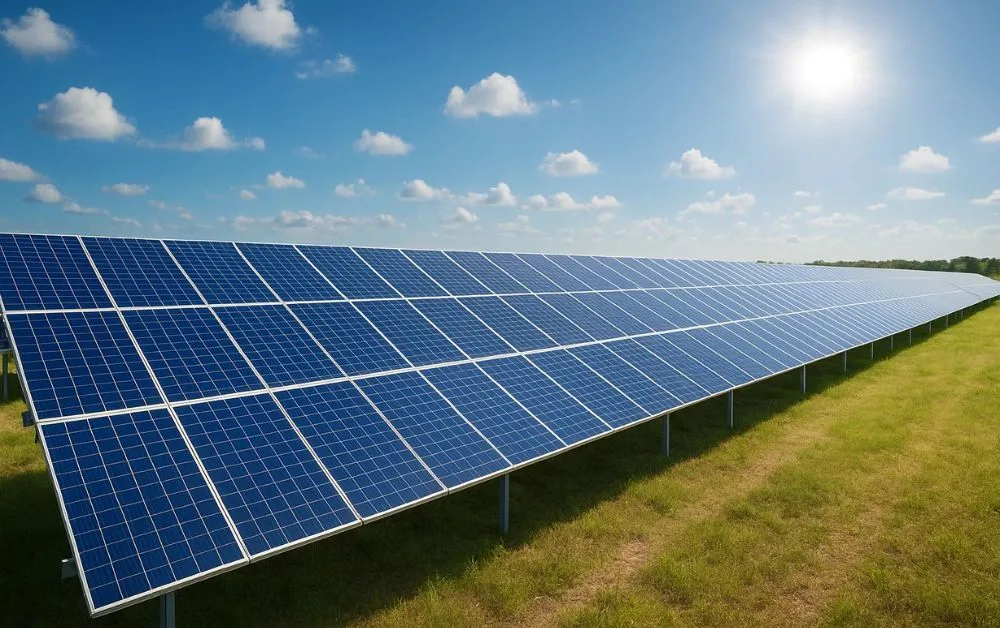
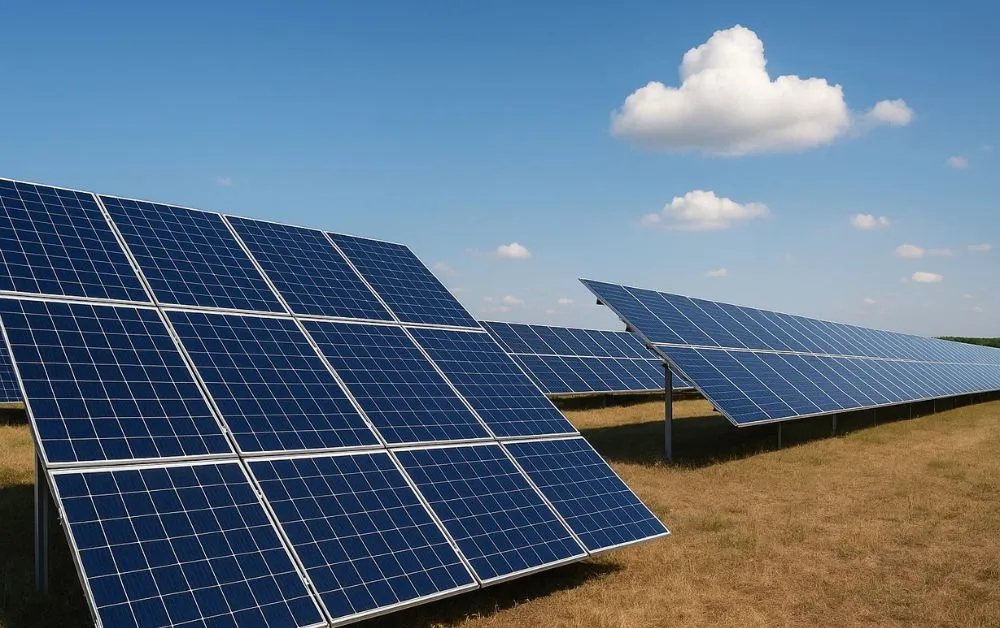
    Solar power solutions refer to systems that capture sunlight and convert it into usable electricity. These systems mainly consist of 3 main components:

    1. Solar Panels: Capture sunlight & convert it into electrical energy.
    2. Inverters: Convert the DC (direct current) produced by solar panels into AC (alternating current) for use in homes and businesses.
    3. Batteries or Storage Systems: Store excess energy for use when sunlight is limited, such as at night or on cloudy days.

    These components work together to provide a reliable, renewable source of electricity. In Tanzania, solar power solutions are especially valuable for areas not connected to the national power grid.

    Types of Solar Power Solutions 

    There are several types of solar power systems that can be installed depending on energy needs:

    1. Grid-Tied Systems

    These systems are connected to the national electricity grid. During sunny days, the solar panels generate power that is used for your home or business. Excess energy can be fed back into the grid, often earning credits or reducing electricity bills.

    2. Off-Grid Systems

    Off-grid systems are perfect for remote areas without access to the national grid. These systems rely on batteries to store energy, ensuring a on-going power supply even when sunlight is unavailable.

    3. Hybrid Systems

    Hybrid solar systems combine solar energy with other energy sources, like the grid or diesel generators. They give flexibility & ensure uninterrupted power supply, even during cloudy days or high-demand times.

    Benefits of Solar Power Solutions 

    Solar power solutions give numerous advantages for both individuals and businesses:

    • Cost Savings: Solar energy drops electricity bills by harnessing free sunlight.
    • Sustainability: Solar energy is clean & renewable, reducing carbon emissions.
    • Reliability: Solar systems, especially off-grid & hybrid setups, provide consistent power even in areas with unstable electricity supply.
    • Low Maintenance: Solar systems require minimal maintenance compared to traditional generators.
    • Energy Independence: Solar power reduces dependence on expensive fossil fuels and fluctuating electricity tariffs.

    Applications of Solar Power Solutions

    Solar power solutions can be used in different segments:

    1. Residential Use: Solar panels can power lighting, appliances, & water heaters in homes, particularly in areas with limited access to the grid.
    2. Commercial Use: Sectors can use solar energy to power offices, factories, & retail outlets, reducing operational costs.
    3. Agricultural Use: Solar-powered irrigation systems, water pumps, and cold storage facilities improve productivity while lowering energy expenses.
    4. Industrial Use: Factories and manufacturing units can use solar power solutions to meet part or all of their energy requirements efficiently.

    Tips Before You Install Solar Power Solutions

    There are a number of considerations to have in mind before you install a solar power system:

    • Power Requirements: Calculate your daily electricity usage to determine the size of your solar system.
    • Sunlight and location: Check if the sun shines on your location and observe how many hours of direct sunlight you receive.
    • Budget and ROI: Costs of installing, potential savings, payback time.
    • System Type: choose grid-tied, off-grid, or hybrid (grid-interactive) systems depending on your needs for energy independence and power stability.
    • Maintenance: A solar system doesn’t require frequent maintenance, but it does need to be cleaned and monitored throughout its service life.

    Related read:-Why Solar Installation is Growing Fast in Tanzania?

    Keep Your Solar Solution in Its Best Shape with These Maintenance Tips

    Regular maintenance is must when it comes to getting the best performance and longest life span out of solar power solutions:

    • Routine Maintenance: Dirt, debris, and bird droppings can diminish panel output. Wash panels occasionally with water and a mild cloth.
    • Examining the Mounting Structures: Verify that the panels are properly secured and show no signs of rust or physical damage.
    • Moderate Electrical Checks: Inspect for signs of wear and tear on inverters, wiring, and connectors.
    • Keep Tabs on Power Production: Updating the system’s power production can help catch performance problems before they become potential power stealer.
    • Battery Maintenance: Off-grid systems require regular review of their battery health, temperature status, and connections.

    Potential Issues and Solutions

    While there are several advantages to using a solar power system, there are several drawbacks:

    • Initial Expense: The initial installation cost is high up front. Yet in the long run, these are savings that more than pay back this investment.
    • Weather Dependency: Your solar power system is dependent on the amount of sunlight your area receives throughout the year, as well as in each season. Hybrid systems or storage could address this issue.
    • Skills: It takes the right kind of technicians to install and maintain it properly for high efficiency.

    Overcoming these problems can make solar energy a reliable, green, and affordable option.

    In Conclusion

    Solar power solutions are transforming how households, businesses, & industries access electricity. From grid-tied systems to off-grid & hybrid setups, solar energy gives a clean, reliable, & cost-effective alternative to traditional power sources. By understanding system types, benefits, applications, and maintenance requirements, users can maximize energy efficiency and long-term performance. For those looking for reliable & high-quality solar power solutions, Tamgo Tanzania Limited gives professional systems & support tailored to meet diverse energy needs, ensuring sustainable and efficient operations across the country.

  • How Do Industrial Water Treatment Solutions Improve Energy Efficiency?

    How Do Industrial Water Treatment Solutions Improve Energy Efficiency?

    In today’s industrial landscape, energy efficiency is not just a cost-saving measure—it is a critical component of sustainable operations. Many industries rely heavily on water for processes like cooling, cleaning, and manufacturing. However, inefficient water management can lead to excessive energy consumption, increased operational costs, & environmental strain. This is where industrial water treatment solutions play a vital role. These systems are designed not only to purify & recycle water but also to enhance energy efficiency across industrial operations.

    Understanding the Link Between Water Treatment and Energy Efficiency

    Water treatment and energy use are closely linked in industrial settings. Treating water needs energy, whether for pumping, filtration, or chemical processing. At the same time, untreated or poorly managed water can cause inefficiencies in industrial equipment, leading to higher energy consumption. Water treatment solutions help optimize water quality, which in turn reduces energy use.

    For example, scaling and corrosion in heat exchangers or boilers, caused by impurities in untreated water, can reduce heat transfer efficiency and force equipment to consume more energy to achieve the same output. Proper water treatment prevents these issues, maintaining operational efficiency and conserving energy.

    Key Ways Water Treatment Solutions Improve Energy Efficiency

    Save Cost on Boilers and Cooling Systems by Minimizing Energy Loss

    Large energy use is common in many industries. Scale, or biofilm, can accumulate on surfaces and decrease the efficiency of heat transfer due to impurities in the water, like minerals and suspended solids. These impurities can be removed through water treatment methods, including filtration, chemical treatment, and deionization. In this way, heat transfer surfaces are kept clean, resulting in minimal energy loss and maximum efficiency.

    Optimizing Pump Operations

    Pumps are employed to move water through industrial installations. Most pumps, however, must work harder when water contains solids or debris (by raising and separating), which makes them more energy-intensive. Treatment solutions that remove these impurities enable pumps to function at peak performance, resulting in lower energy and reduced wear on the equipment.

    Enabling Water Recycling and Reuse

    Recycling treated water is one of the most efficient ways that industries can reduce their water consumption. Water treatments help return water to service for cooling, cleaning, or other uses. The demand for continuously pumping and treating fresh water is significantly reduced by the treatment of recycled water, which also reduces the energy required to heat, cool, and convey water from fresh water sources.

    Enhancing Chemical Treatment Efficiency

    A variety of chemicals are introduced into water across industries to prevent corrosion, scaling, and microorganism growth. Water treatment facilities can ensure that the correct amount of added chemicals for water treatment is achieved through precision-based measurement and control of water quality in real-time. The more they focus on using chemicals properly, the less energy-consuming the patches and the longer all their equipment lasts.

    Integrating Automated Monitoring Systems

    Sensors and automatic controls that maintain water quality parameters (pH, TDS, or turbidity) are also frequently associated with modern treatment systems. Automation exacts precise modifications to treatment protocols, minimizing excessive energy consumption and ensuring systems run as efficiently as possible, without human error.

    Environmental and Economic Benefits

    Energy efficiency with the help of pretreatment solutions offers plenty of advantages:

    • Cost-Effective: The less energy consumed, the lower the operating cost of the LED. Not only does treating water extend the life of boilers, pumps, and cooling towers, but it also decreases maintenance costs on these items.
    • Sustainability: Efficient water and energy management helps reduce greenhouse gas emissions and minimize environmental impact. Recycling water decreases freshwater consumption, conserving resources.
    • Compliance: The vast majority of industries face stringent environmental compliance requirements. Water treatment solutions help keep you in compliance while reducing costly, energy-consuming remedial actions.
    • Operational Dependability: Pure and treated water ensures the high availability of industrial installations and prevents energy peaks, such as when equipment is clogged or does not function as designed.

    Related read:-The Role of Water Treatment in Enhancing Manufacturing Efficiency

    Real-World Applications

    Water treatment applications span different industries as follows:

    • Power Plants: Boilers and cooling systems utilize clean water for optimal efficiency, thereby avoiding wasted energy.
    • Manufacturing Plants: Clean water prevents scale and corrosion in equipment, which can significantly reduce energy costs.
    • Foods and Beverages: As more producers source increasingly energy-intensive water, the need for purification equipment to maintain hygiene is growing.
    • The chemical and Pharmaceutical Industries: Optimized water treatment prevents contamination and energy loss in sensitive processes.

    In both cases, these measures have a direct benefit to energy efficiency, system reliability, and environmental footprint.

    Choosing the Right Industrial Water Treatment Solution

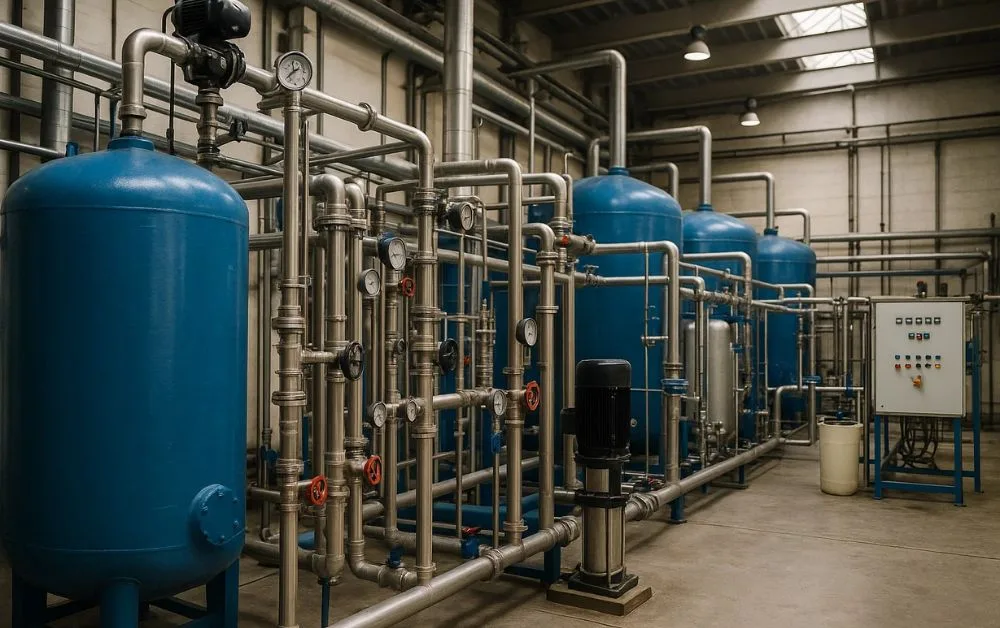
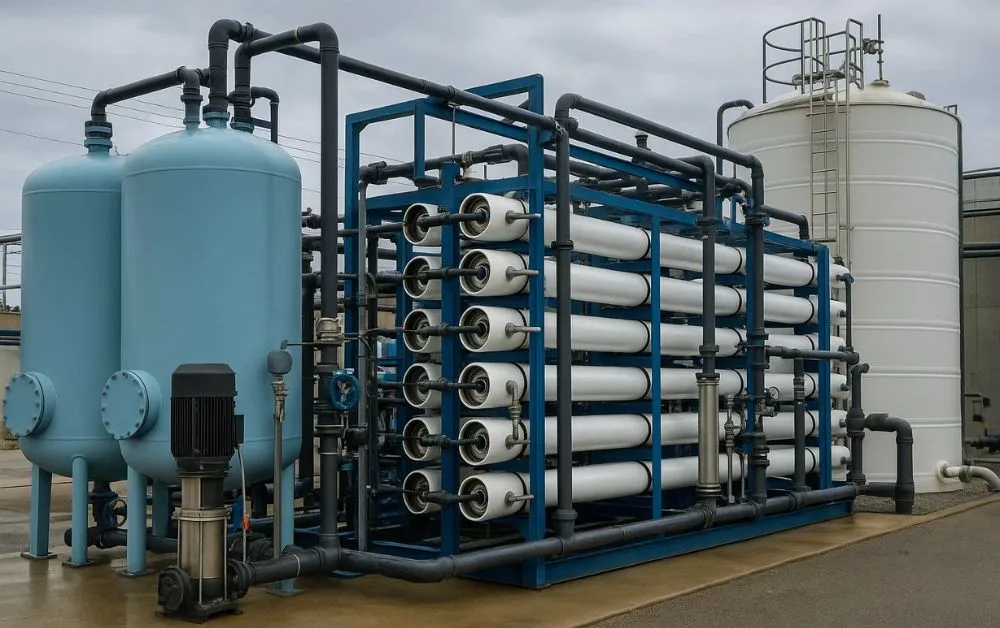
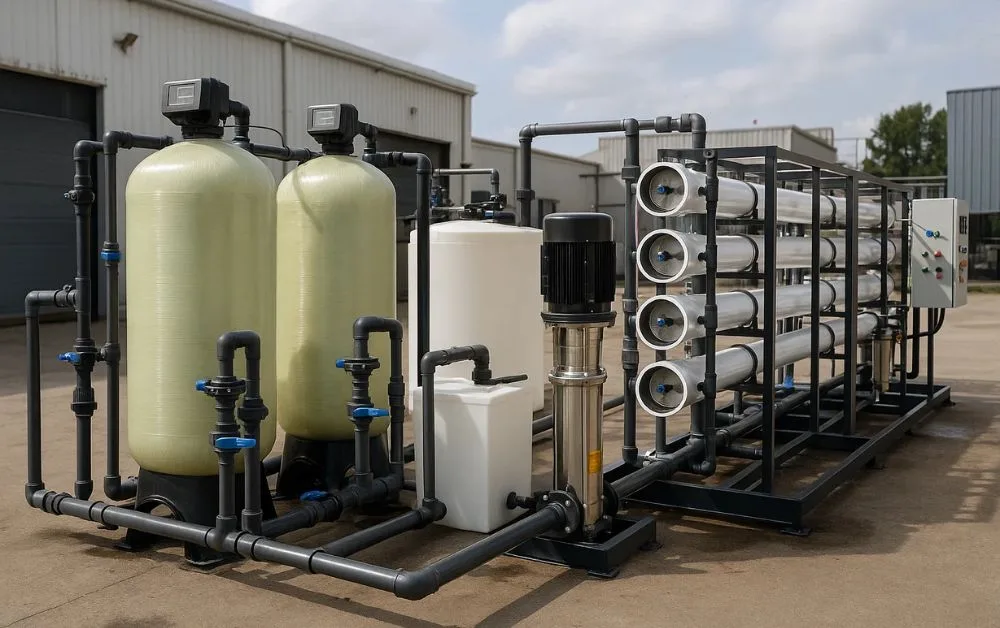
    Selecting the appropriate solution depends on factors such as water source, industry type, volume of water used, and energy goals. Modern systems offer a range of technologies, including reverse osmosis, ultrafiltration, ion exchange, and automated monitoring. When implemented correctly, water treatment solutions not only purify water but also create measurable energy savings over time.

    In Conclusion

    Water treatment solutions are far more than water purification systems—they are critical tools for improving energy efficiency in industrial operations. By preventing scaling, optimizing pump operations, enabling water recycling, and integrating automated monitoring, these solutions reduce energy consumption, lower operational costs, & promote sustainability. Industries that implement these systems benefit from both financial savings and environmental compliance.

    For companies in Tanzania seeking reliable & efficient industrial water treatment solutions, Tamgo Tanzania Limited provides tailored systems designed to optimize water quality and energy efficiency, ensuring sustainable and cost-effective operations.

  • How Do Solar Water Pumping Systems Work During Cloudy Days?

    How Do Solar Water Pumping Systems Work During Cloudy Days?

    Solar water pumping systems are becoming increasingly popular across Africa and other parts of the world, offering an environmentally friendly & cost-effective solution for water supply. They are widely used in agriculture, livestock farming, & even domestic applications, offering a reliable source of water while reducing dependence on electricity or fossil fuels. But one common question arises: how do systems function during cloudy days? This article explores the functionality, efficiency, & solutions for solar water pumps under less-than-ideal sunlight conditions.

    Understanding Solar Water Pumping Systems

    A solar water pumping system utilizes solar energy to power a pump that transfers water from a source—such as a well, river, or storage tank—to a designated location. The core components of a typical system include:

    • Solar Panels: Capture sunlight & convert it into electricity.
    • Pump Controller: Regulates voltage & current to protect the pump.
    • Pump: Can be submersible or surface-mounted, depending on the water source and application.
    • Pipes and Storage Tanks: Transport and store the water efficiently.

    During sunny days, these systems operate at peak efficiency, delivering the required water volume without interruption. However, during cloudy or rainy days, sunlight is limited, which can affect the system’s performance.

    How Cloudy Days Affect Systems

    The operation of solar water pumps is directly proportional to solar radiation, or sunshine, over the panels. When it is cloudy, there is less irradiance, so the system will receive less power. Here’s how this impacts operations:

    • Lower flow rate: Pumps may operate at lower speeds, producing less water per hour.
    • Working Time: The Pump can operate under direct sunlight, and the start-up time of the pump varies depending on the sunlight.
    • Low Energy Conversion: Solar cells produce a low current, which is not suitable for water pumps that require high power.

    However, keep in mind that new systems are built to compensate for sunlight variance and can still perform well on partly cloudy days.

    Performance Enhancing Technologies for Cloudy Weather

    Multiple systems have been developed that enable relatively new approaches and design principles to work efficiently, even in reduced sunlight.

    1. MPPT (Maximum Power Point Tracking) Controllers

    Maximum Power Point Tracking (MPPT) controllers are complex devices that optimize the electrical operating point of the panels to extract the maximum power. On overcast days, when sunlight is scarce, the MPPT controller can deliver maximum power to the pump.

    2. DC Pumps

    DC solar pumps are more versatile than AC Pumps. They work on a broader voltage range, so even if solar power is not optimal, they still function. This makes them perfect for those varying-light conditions.

    3. Hybrid Systems

    Hybrid systems integrate solar energy with batteries or grid electricity. During cloudy days, the system can be switched to battery power or for additional energy from the grid, providing a round-the-clock water supply.

    4. Oversizing Solar Panels

    By installing a marginally larger set of solar panels than needed, you can overcompensate for days where sunlight is scarce. This ensures the pump will continue to run efficiently even when irradiance is low.

    Practical Tips for Ensuring Reliable Operation

    Both farmers and users can also undertake a number of actions that will ensure their systems perform during overcast weather:

    • Track Solar Irradiance: Monitor the amount of sunlight your panels receive to predict potential performance decline.
    • Schedule Watering Wisely: Use the pump more intensively during sunny periods and reduce usage during cloudy days to conserve water.
    • Maintain the System: It´s important that you clean the panels periodically to ensure superior power generation and that your pump and controller are functioning as it should.
    • Get A Water Storage Tank: You could take advantage of sunlight for collection purposes. You can then use up stored water on days when the pump is running at a lower capacity.
    • Optimal Pumps: Select pumps that are efficient and perform well in low-voltage situations to maximize water output on overcast days.

    Related read:-Innovations in Solar Water Pumping Systems for Tanzania’s Water Needs

    Even on Cloudy Days, Systems Are Valuable

    Despite some occasional cloudy days, systems have many benefits over conventional pumps.

    • Economical: With very low electricity or fuel cost savings over the years, it is a great addition to the budget.
    • Environmentally friendly: Solar power reduces carbon emissions and dependence on fossil fuels.
    • No Maintenance: Since there are fewer moving parts and no fuel to manage, both systems require minimal maintenance.
    • Adaptability: Modern systems with MPPT, hybrid options, & storage solutions can provide a reliable water supply under varying weather conditions.

    Users can continue to receive water by being prepared for periods of low sunlight with this knowledge.

    Real-World Applications

    Systems are widely used in agriculture, livestock management, & remote rural areas. Farmers can irrigate crops even during cloudy days by combining solar pumps with water storage systems. Livestock owners can ensure animals always have access to clean water, and communities in off-grid areas can rely on these systems for drinking water without depending on expensive or polluting diesel pumps.

    In Conclusion

    Cloudy days may reduce the output of systems, but modern technology and smart system design ensure continued functionality. With the right combination of MPPT controllers, DC pumps, hybrid solutions, & water storage, these systems remain reliable & efficient year-round. By taking preventive measures & knowing how solar pumps work in low-light conditions, users can maximize water availability & improve overall efficiency. 

    For businesses & farmers looking for high-quality systems in Tanzania, Tamgo Tanzania Limited gives reliable solutions tailored to meet the unique needs of agriculture, industry, and domestic applications.

  • Why Tamgo is the Leading Diesel Generator Supplier in Tanzania?

    Why Tamgo is the Leading Diesel Generator Supplier in Tanzania?

    A reliable power supply is the backbone of economic growth and social development. In Tanzania, where electricity demand continues to rise, having dependable backup solutions is critical for both businesses and households. Diesel generators remain one of the most trusted choices for ensuring continuous power, mainly in areas with unreliable grid connections. Among the sectors providing these solutions, Tamgo has established itself as the best supplier of diesel generators in the country.

    This blog explores why Tamgo has earned this reputation, the importance of diesel generator in Tanzania, and how their expertise is shaping the nation’s energy landscape.

    The Growing Demand for Reliable Power in Tanzania

    Tanzania’s economy has been expanding in recent years, driven by industries such as mining, manufacturing, construction, and agriculture. While the national grid has made significant progress in expanding coverage, challenges remain. Many rural communities still experience limited access, & even urban areas face occasional outages.

    For sectors, power interruptions can result in huge financial losses due to downtime, damaged equipment, or interrupted production cycles. Hospitals, schools, & critical infrastructure also depend on reliable backup power to operate without disruption. This growing need has placed diesel generators at the center of Tanzania’s energy resilience strategy.

    Why Diesel Generators Are Essential

    Diesel generators remain the preferred option for backup power across industries & households for various reasons:

    • Reliability: They offer consistent power supply, making them best for key operations where even short outages are costly.
    • Durability: Diesel engines are robust, designed to handle heavy loads for extended times.
    • Fuel Efficiency: Compared to some alternatives, diesel generators offer best fuel efficiency, mainly in high-need scenarios.
    • Wide Applications: From hospitals and factories to construction sites and remote villages, they meet diverse power needs.

    Given these advantages, the demand for quality and reliable suppliers has been steadily increasing in Tanzania.

    Tamgo’s Legacy and Experience

    One of the main reasons Tamgo is a premier partner is its proud history and association with the Zahid Group, a Saudi Arabian business house that has been focusing on providing energy solutions locally for countless years. Through its footprint in Tanzania, Tamgo combines this global expertise with locally relevant knowledge and works to provide tailored solutions for the country’s specific energy needs.

    The organization began by offering power solutions to various industries. Diesel generators have been the core part of their business, even as they diversified over the years. Tamgo has decades of established performance that earns the trust of its customers, whether they are public or private.

    Dedication to Excellence and Worldwide Profile

    We have a well-deserved reputation for maintaining strict quality control and adhering to international standards. Every generator is procured and assembled to suit Tanzania’s climate and usage patterns. By collaborating with reputable global suppliers, Tamgo guarantees customers will receive solid & dependable machines throughout the years.

    This emphasis on quality reduces the risk of expensive failures and provides peace of mind for homeowners, who know that their investment is secure.

    Strong After-Sales Support and Maintenance

    Bringing in a diesel generator is only half the solution. Continuous performance requires regular servicing; the availability of spare parts & technical know-how is a must.

    Tamgo has set itself apart by offering robust after-sales services, including:

    • Preventive & corrective maintenance programs.
    • Availability of original spare parts.
    • On-site support courtesy of our expert technicians.
    • 24/7 response for urgent breakdowns.

    Through this pledge to their clients, it means not only will they be buying dependable machinery, but that support is always on hand for the life of any generator.

    Related read:-Diesel Generator Efficiency: What You Need to Know

    Local Presence and Understanding of Needs

    Tamgo’s operations in Tanzania are guided by a deep understanding of the local market. They know the challenges businesses and communities face, from frequent outages in rural regions to the high energy needs of industries in urban centers.

    This local insight allows them to design solutions that are practical, affordable, and effective. Their presence in Dar es Salaam also provides easy access to clients across the country.

    Building Trust Through Partnerships

    Tamgo has established relationships with enterprises, governmental organizations, & development projects to deliver power solutions that drive progress & move the world forward. By aligning with national development aims, they have not only been a supplier but also a partner in Tanzania’s growth. Incredible reliability & professional reputation have meant they are the 1st port of call for businesses when finding a reliable diesel generator supplier.

    Looking Ahead: The Future of Diesel Generators in Tanzania

    Although solar and other renewable sources are gaining popularity, diesel generators will continue to play a crucial role in Tanzania’s energy landscape. While not suitable in the long term, they are well-suited for providing quick and clean energy to meet demand.

    As new businesses and rural electrification expand, the demand for quality generators will continue to be strong. Tamgo, a leader and proven expert with a solid network and dedication to quality, is poised to continue its leadership of this market.

    In Conclusion

    Reliable backup power is not just a convenience but a necessity for Tanzania’s growth & development. Diesel generators remain a cornerstone of this reliability, ensuring that industries, hospitals, schools, and households can operate without disruption. With decades of experience, a wide product range, strong after-sales support, and a reputation built on trust, Tamgo has become the clear leader in this sector.

    For dependable and high-quality Diesel Generator in Tanzania, TAMGO Tanzania Limited stands as the trusted partner ensuring power when it matters most.

  • Innovations in Solar Water Pumping Systems for Tanzania’s Water Needs

    Innovations in Solar Water Pumping Systems for Tanzania’s Water Needs

    Access to clean and reliable water is one of the most pressing challenges in Tanzania. With a large portion of the population depending on agriculture & rural communities often lacking modern infrastructure, water scarcity & inconsistent supply remain barriers to development. Traditional water pumping methods, which often rely on diesel or grid electricity, are costly, environmentally damaging, and unreliable in remote areas.

    Innovations in renewable energy, particularly in solar-powered technologies, are transforming the way Tanzania meets its water needs. Solar-driven solutions are providing cost-effective, sustainable, and accessible methods for water pumping that directly support agriculture, domestic consumption, and community development.

    This blog explores the innovations in solar water pumping systems technology, their benefits for Tanzania, challenges in adoption, and the path forward.

    Tanzania’s Water Challenges

    Tanzania is endowed with rivers, lakes, & underground water resources. However, access to clean water remains uneven, mainly in rural areas where infrastructure is limited. Farmers struggle with irrigation during dry seasons, while communities often walk long distances to collect water. Reliance on diesel-powered pumps adds to the problem, as fuel is expensive and availability in remote regions is inconsistent.

    In this context, solar-powered innovations are not just convenient; they are essential for long-term sustainability.

    How Solar Water Pumping Works

    Solar water pumps usage photovoltaic panels to convert sunlight into electricity, which powers a motor to draw water from underground wells, rivers, or reservoirs. Unlike diesel pumps, solar systems need minimal maintenance & have no fuel costs once installed. They can operate in both off-grid rural areas and as part of hybrid systems where electricity supply is intermittent.

    Recent technological improvements have made these systems more efficient, reliable, & affordable for Tanzanian farmers & communities.

    Key Innovations in Solar Water Pumping

    1. High-Efficiency Solar Panels

    Modern pumps now use innovative photovoltaic panels with higher efficiency rates, meaning they can generate more power from the same amount of sunlight. This is mainly vital in areas where sunlight may vary due to weather conditions.

    2. Smart Controllers

    New systems come with intelligent controllers, which help in maximum pump utilization. They regulate water flow in proportion to available sunlight and do not over pump, thus saving power & preserving water.

    3. Energy Storage Integration

    Traditional solar pumps may work only when the sun is out. And now, with the addition of battery storage, systems can operate at night or on cloudy days. This provides a reliable water supply when it is most desired.

    4. Remote Monitoring

    Internet of Things (IoT) technology has introduced remote monitoring features. Farmers & communities can now track water levels, pump performance, & system health using mobile apps, reducing downtime & improving efficiency.

    5. Modular and Scalable Designs

    Many new pumping systems are modular, meaning they can be expanded as need grows. A small-scale pump for household use can later be upgraded to serve agricultural irrigation or larger community needs.

    Related read:-Why Solar Water Pumps Are the Future of Sustainable Irrigation?

    Benefits for Tanzania

    Supporting Agriculture

    Agriculture, which employs the majority of the workforce in Tanzania, is a significant contributor to the country’s GDP. Solar-powered pumps provide dependable irrigation for year-round crop growth, increasing food security & income as well.

    Enhancing Rural Development

    Communities gain easier access to clean water for drinking, sanitation, and household needs. This reduces the burden, especially on women & children, who often spend hours collecting water.

    Reducing Costs

    Once installed, solar pumping systems have minimal operational costs compared to diesel alternatives. This makes them highly economical in the long term.

    Environmental Protection

    Solar technology reduces reliance on fossil fuels, cutting emissions and protecting Tanzania’s natural environment. It also helps conserve forests by reducing the need for firewood in water boiling or purification practices.

    Improving Health and Education

    Reliable access to clean water reduces the spread of waterborne diseases and improves public health. Schools & healthcare centers can maintain best hygiene & sanitation, creating healthier communities.

    Barriers to Adoption

    While innovations in solar water pumping are promising, some barriers remain:

    • Initial Cost: Even though prices are decreasing, the upfront investment can be high for farmers & rural households.
    • Awareness Gaps: Many communities are not fully aware of the long-term savings and sustainability benefits of these systems.
    • Technical Expertise: Skilled experts for installation & maintenance are still limited in some regions.
    • Quality Control: Low-quality equipment sometimes enters the market, leading to failures and discouraging wider adoption.

    Overcoming these challenges wants coordinated efforts from government, private sectors, & NGOs.

    Role of Policy and Partnerships

    The Tanzanian government has recognized renewable energy as a key component of its development aims. Encouraging policies like tax exemptions on renewable equipment & rural electrification programs are creating a supportive environment for solar adoption.

    Collaboration with international organizations & private sectors are also key. Through financing schemes, training programs, & awareness campaigns, these collaborations can help expand access to modern pumping technologies.

    Cost-Effective Water Management of Solar Water Pumps

    In Conclusion

    Water access is a fundamental demand, & Tanzania’s development depends on reliable, affordable, & sustainable solutions. With continuous innovations, solar water pumping systems are proving to be transformative tools for agriculture, rural communities, & the environment. These systems not only reduce prices & improve efficiency but also pave the way for a healthier, more sustainable future.

    For advanced and dependable renewable solutions tailored to Tanzania’s unique water and energy needs, TAMGO Tanzania Limited stands as a trusted partner delivering lasting impact.

  • Why Solar Installation is Growing Fast in Tanzania?

    Why Solar Installation is Growing Fast in Tanzania?

    In recent years, solar energy has emerged as one of the most promising solutions for meeting growing electricity demand in Africa. Tanzania, with its abundant sunshine and rapidly expanding population, is experiencing a surge in solar adoption. From rural communities to urban industries, solar systems are being installed at an unprecedented pace. This growth is fueled by the country’s energy needs, government initiatives, falling technology costs, and increased awareness of sustainable solutions.

    This blog explores the reasons behind the quick growth of solar installation in Tanzania, its benefits, challenges, and future prospects.

    Rising Energy Demand and Limited Grid Access

    Tanzania’s electricity need is rising owing to urbanization, industrial development, and population increase. However, the national grid still struggles to cover remote and rural areas. According to estimates, millions of Tanzanians remain without reliable electricity access.

    Solar installations provide a viable alternative to traditional grid systems. Off-grid and mini-grid solar projects are aiding communities gain access to electricity without waiting for expensive grid expansion. This decentralized approach allows people in rural areas to power homes, schools, and health centers at a fraction of the time and cost of conventional infrastructure.

    Abundant Solar Resources

    One of Tanzania’s greatest natural advantages is its abundant sunshine. The country receives an average of 2800–3500 hours of sunlight annually, making it one of the best regions in Africa for solar energy production.

    This consistent solar radiation makes solar systems highly effective and reliable. With the right installations, Tanzanians can generate energy almost year-round, minimizing reliance on costly fossil fuels & reducing the pressure on hydropower, which can fluctuate due to seasonal water availability.

    Falling Costs of Solar Technology

    Another major factor driving solar adoption is the significant drop in solar technology costs. Over the past decade, the cost of solar panels, batteries, and inverters has fallen globally. This trend has made solar more affordable for businesses, households, and institutions.

    As costs continue to decline, more Tanzanians are viewing solar as a long-term investment. While the key installation needs capital, the savings on fuel & electricity bills make it economically attractive in the long run.

    Government Support and Policies

    The Tanzanian government has recognized the importance of renewable energy in achieving its development aims. Policies and initiatives are encouraging private sector participation in renewable energy projects. Incentives such as tax reductions for solar equipment imports, streamlined licensing processes, and rural electrification programs are further driving solar installations.

    Through partnerships with international organizations and private companies, the government has supported projects that expand energy access using solar mini-grids, which are transforming entire communities.

    Environmental Sustainability

    Solar power is clean & renewable, making it a primary solution in the fight against climate change. Tanzania, like many other countries, faces environmental challenges linked to fossil fuel use & deforestation. By adopting solar, the country decreases its carbon footprint while conserving natural resources.

    Communities that rely on kerosene lamps or diesel generators are shifting to solar systems, which not only save money but also reduce indoor air pollution and health risks.

    Related read:-Understanding Solar Panel Efficiency: What You Need to Know

    Expanding Industrial and Commercial Use

    While household solar installations are common, industries and commercial enterprises in Tanzania are increasingly turning to solar to ensure stable power supply. Frequent grid outages can disrupt business operations and increase costs. Solar provides a reliable backup or even primary power source, aiding industries in reducing downtime & operational expenses.

    For example, farms use solar-powered irrigation pumps, while factories integrate solar to offset electricity consumption. Schools & hospitals also benefit, ensuring consistent services that support social & economic development.

    Growing Awareness and Financing Options

    Awareness campaigns & successful solar projects across Tanzania have built public trust in solar energy. Individuals are realizing that solar is not just an emergency backup but a sustainable solution for long-term use.

    In addition, new financing models such as pay-as-you-go (PAYG) systems are making solar more accessible. These models allow customers to pay for solar in small, manageable installments, removing the barrier of high upfront costs. Financial institutions are also offering loans specifically for renewable energy projects, encouraging widespread adoption.

    Challenges in Solar Adoption

    Despite the quick growth, some challenges remain:

    • High Initial Costs: Even though costs are falling, many households still find the upfront price of installation difficult to afford.
    • Technical Skills: There is a shortage of expert professionals to install & maintain solar systems in rural areas.
    • Quality Standards: Low-quality solar products sometimes flood the market, leading to failures that discourage users.
    • Policy Gaps: While supportive, policies need further strengthening to attract larger investments & ensure long-term growth.

    Addressing these challenges will be critical in confirming that the solar boom continues sustainably.

    In Conclusion

    The growth of solar installation in Tanzania is a clear sign that the nation is ready to embrace renewable energy as a cornerstone of its development strategy. From industrial support to rural electrification, solar is transforming lives, decreasing costs, & protecting the environment. While challenges remain, the opportunities are far greater, making solar a key part of Tanzania’s sustainable future.

    For reliable & innovative solar & renewable energy solutions, TAMGO Tanzania Limited provides trusted expertise custom-made to the country’s unique needs.

  • Why Should Tanzania Invest More in Smart Energy Solutions for Sustainability?

    Why Should Tanzania Invest More in Smart Energy Solutions for Sustainability?

    As Tanzania continues to experience economic growth and urban expansion, the demand for energy is rising rapidly. Meeting this demand through traditional energy sources alone is not sustainable in the long term. Smart energy solutions are gaining attention worldwide as the key to balancing growing energy wants with environmental responsibility. For Tanzania, investing more in innovative, sustainable, & efficient energy systems can play a key part in securing its energy future.

    This blog explores why Tanzania should prioritize smart energy solutions for sustainability and the long-term benefits they bring.

    Rising Energy Demand in Tanzania

    Tanzania’s population is expanding, and with it comes a sharp increase in energy needs for households, industries, healthcare facilities, schools, and transport. According to regional energy reports, the country still relies heavily on hydropower & fossil fuels. While these sources provide significant capacity, they are vulnerable to climate variability, high costs, and environmental impact.

    Without diversifying into smart, sustainable energy solutions, Tanzania risks facing electricity shortages, unreliable supply, and increased dependency on imported fuels. This could slow down industrial growth and affect social development.

    What Are Smart Energy Solutions?

    Smart energy solutions go beyond traditional energy production. They include technologies and systems that enhance efficiency, drop waste, and integrate renewable resources. Examples such as:

    • Solar power systems with energy storage
    • Hybrid power plants combining solar, wind, and diesel backup
    • Energy-efficient appliances and lighting
    • Digital monitoring & smart grids to optimize distribution
    • Water-energy integration solutions like solar-powered pumps

    These technologies are designed to minimize energy losses, maximize renewable energy use, & drop greenhouse gas emissions.

    Benefits of Investing in Smart Energy Solutions in Tanzania

    1. Strengthening Energy Security

    Tanzania is heavily dependent on weather conditions for hydropower and on costly imports for fossil fuels. Smart solutions like solar and hybrid systems can reduce this dependency by tapping into locally available resources. With more reliable power, industries and households can operate without disruption.

    2. Cost Savings for Businesses and Households

    Although the initial investment in smart energy solutions can be high, they significantly reduce operational costs in the long term. Solar systems, for example, have minimal running costs once installed. Energy-efficient technologies also cut down electricity bills for both businesses and households.

    3. Supporting Environmental Sustainability

    Traditional fossil-fuel-based systems release carbon emissions that contribute to global warming. By adopting renewable and energy-efficient technologies, Tanzania can play a key in decreasing greenhouse gas emissions & protecting natural ecosystems.

    4. Job Creation and Skills Development

    The energy transition needs skilled labor for installation, maintenance, & innovation. Investing in smart energy solutions can create thousands of jobs across technical, managerial, & service sectors. It also builds a pool of skilled experts who can support the country’s industrialization aims.

    5. Enabling Industrial Growth

    Industries want uninterrupted & affordable power to thrive. Smart energy solutions ensure stable electricity, allowing manufacturing, mining, and agriculture-based industries to grow. Reliable energy also makes Tanzania more attractive to investors.

    The Role of Renewable Energy in Tanzania’s Future

    Renewable energy, especially solar, has significant potential in Tanzania. With abundant sunshine throughout the year, solar power can be harnessed for rural electrification, water pumping, and industrial use. Wind energy and biomass also hold promise, mainly in coastal & agricultural regions.

    By integrating these renewable sources with smart technologies, Tanzania can establish a sustainable and resilient energy system. For example, solar panels combined with energy storage systems can power off-grid rural communities, ensuring that development reaches all corners of the country.

    Why Sustainability Should Be the Focus

    Sustainability is not just about conserving resources for future generations; it is about ensuring economic stability today. Smart energy solutions reduce dependency on volatile fuel prices, lower the financial burden of electricity generation, & improve energy access. They also align with Tanzania’s commitments to international climate goals and sustainable development targets.

    Without a clear shift towards sustainable practices, the country risks facing environmental degradation, rising costs, & limited energy access. On the other hand, adopting smart solutions ensures a balance among development & environmental protection.

    Related read:-What to Consider When Choosing Energy Solutions in Tanzania

    Challenges in Adopting Smart Energy Solutions

    While the advantages are clear, some challenges need to be addressed:

    • High Initial Investment: Many households & sectors hesitate owing to the upfront costs of installing renewable systems.
    • Awareness Gaps: Not all communities or sectors are aware of the long-term benefits of smart energy.
    • Policy and Infrastructure: Stronger policies, incentives, and infrastructure are wanted to support the growth of renewable and efficient systems.
    • Technical Skills: There is a need for more trained professionals to install and maintain smart energy solutions effectively.

    By addressing these barriers through government support, private compnay participation, & international partnerships, Tanzania can accelerate its transition to smarter energy practices.

    How Tanzania Can Move Forward

    1. Government Incentives – Introduce subsidies, tax breaks, & financing schemes to make smart energy solutions affordable.
    2. Private Sector Partnerships – Encourage collaboration between local companies & global players to bring advanced technology to Tanzania.
    3. Capacity Building – Invest in training programs to create a skilled workforce for renewable and smart energy sectors.
    4. Public Awareness Campaigns – Educate communities and businesses about the economic & environmental benefits of smart energy adoption.
    5. Strengthening Regulations – Develop strong policies that support renewable integration, grid modernization, and efficient energy use.

    These steps can lay the foundation for a cleaner, more sustainable, and prosperous future.

    In Conclusion

    Tanzania is at a crossroads where energy demand is rising, but resources must be managed responsibly. By investing in smart energy solutions, the country can achieve sustainable growth, decrease reliance on imports, support industries, & protect the environment. The transition needs partnership among sectors, government, & communities, but the long-term rewards outweigh the challenges.

    For innovative and reliable energy solutions, TAMGO Tanzania Limited stands as a trusted partner in delivering sustainable technologies tailored to the nation’s needs.