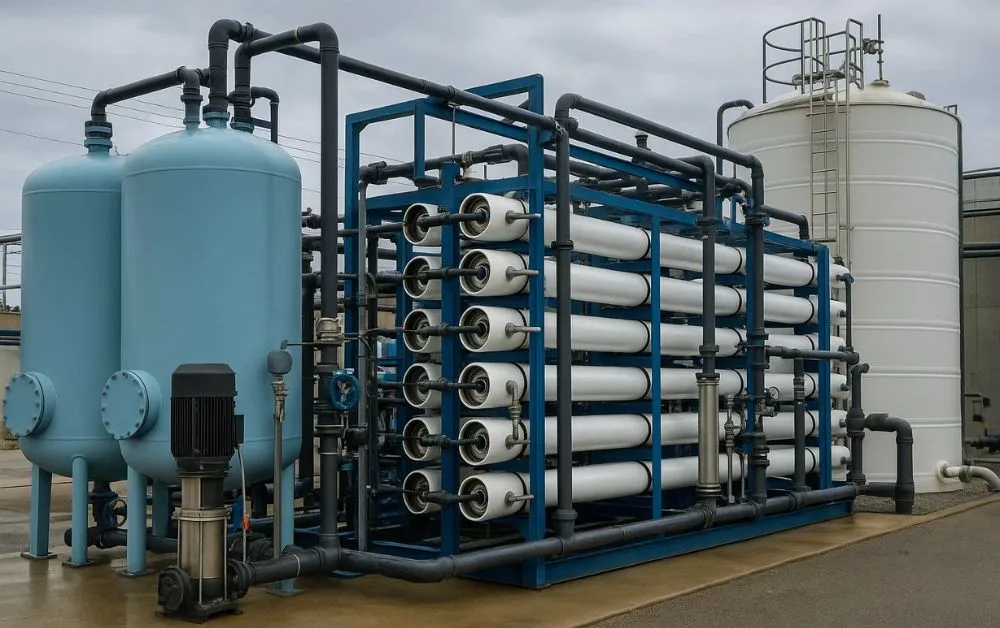
In today’s industrial landscape, energy efficiency is not just a cost-saving measure—it is a critical component of sustainable operations. Many industries rely heavily on water for processes like cooling, cleaning, and manufacturing. However, inefficient water management can lead to excessive energy consumption, increased operational costs, & environmental strain. This is where industrial water treatment solutions play a vital role. These systems are designed not only to purify & recycle water but also to enhance energy efficiency across industrial operations.
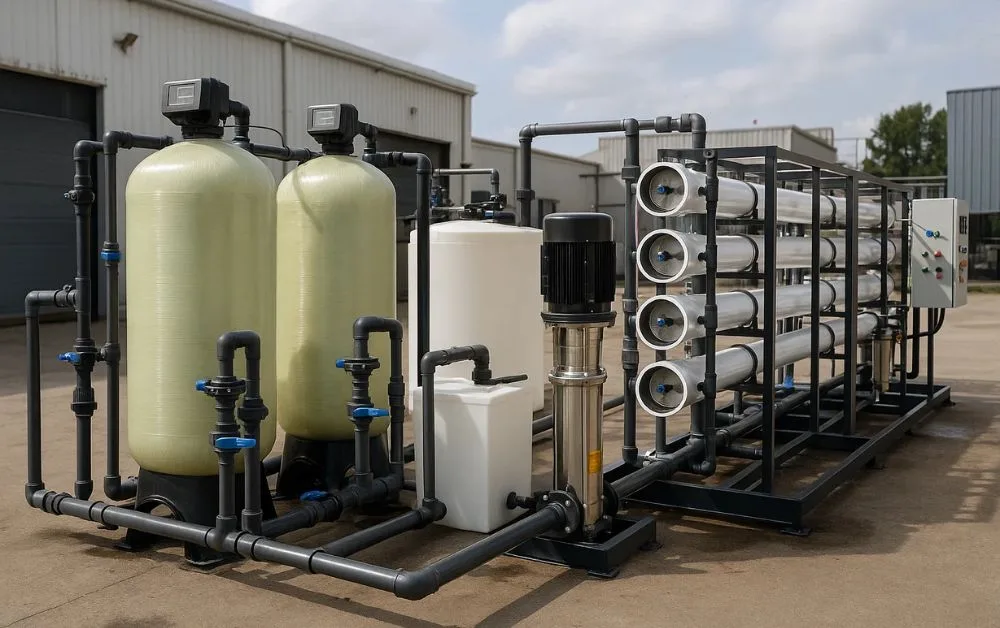
Understanding the Link Between Water Treatment and Energy Efficiency
Water treatment and energy use are closely linked in industrial settings. Treating water needs energy, whether for pumping, filtration, or chemical processing. At the same time, untreated or poorly managed water can cause inefficiencies in industrial equipment, leading to higher energy consumption. Water treatment solutions help optimize water quality, which in turn reduces energy use.
For example, scaling and corrosion in heat exchangers or boilers, caused by impurities in untreated water, can reduce heat transfer efficiency and force equipment to consume more energy to achieve the same output. Proper water treatment prevents these issues, maintaining operational efficiency and conserving energy.
Key Ways Water Treatment Solutions Improve Energy Efficiency
Save Cost on Boilers and Cooling Systems by Minimizing Energy Loss
Large energy use is common in many industries. Scale, or biofilm, can accumulate on surfaces and decrease the efficiency of heat transfer due to impurities in the water, like minerals and suspended solids. These impurities can be removed through water treatment methods, including filtration, chemical treatment, and deionization. In this way, heat transfer surfaces are kept clean, resulting in minimal energy loss and maximum efficiency.
Optimizing Pump Operations
Pumps are employed to move water through industrial installations. Most pumps, however, must work harder when water contains solids or debris (by raising and separating), which makes them more energy-intensive. Treatment solutions that remove these impurities enable pumps to function at peak performance, resulting in lower energy and reduced wear on the equipment.
Enabling Water Recycling and Reuse
Recycling treated water is one of the most efficient ways that industries can reduce their water consumption. Water treatments help return water to service for cooling, cleaning, or other uses. The demand for continuously pumping and treating fresh water is significantly reduced by the treatment of recycled water, which also reduces the energy required to heat, cool, and convey water from fresh water sources.
Enhancing Chemical Treatment Efficiency
A variety of chemicals are introduced into water across industries to prevent corrosion, scaling, and microorganism growth. Water treatment facilities can ensure that the correct amount of added chemicals for water treatment is achieved through precision-based measurement and control of water quality in real-time. The more they focus on using chemicals properly, the less energy-consuming the patches and the longer all their equipment lasts.
Integrating Automated Monitoring Systems
Sensors and automatic controls that maintain water quality parameters (pH, TDS, or turbidity) are also frequently associated with modern treatment systems. Automation exacts precise modifications to treatment protocols, minimizing excessive energy consumption and ensuring systems run as efficiently as possible, without human error.
Environmental and Economic Benefits
Energy efficiency with the help of pretreatment solutions offers plenty of advantages:
- Cost-Effective: The less energy consumed, the lower the operating cost of the LED. Not only does treating water extend the life of boilers, pumps, and cooling towers, but it also decreases maintenance costs on these items.
- Sustainability: Efficient water and energy management helps reduce greenhouse gas emissions and minimize environmental impact. Recycling water decreases freshwater consumption, conserving resources.
- Compliance: The vast majority of industries face stringent environmental compliance requirements. Water treatment solutions help keep you in compliance while reducing costly, energy-consuming remedial actions.
- Operational Dependability: Pure and treated water ensures the high availability of industrial installations and prevents energy peaks, such as when equipment is clogged or does not function as designed.
Related read:-The Role of Water Treatment in Enhancing Manufacturing Efficiency
Real-World Applications
Water treatment applications span different industries as follows:
- Power Plants: Boilers and cooling systems utilize clean water for optimal efficiency, thereby avoiding wasted energy.
- Manufacturing Plants: Clean water prevents scale and corrosion in equipment, which can significantly reduce energy costs.
- Foods and Beverages: As more producers source increasingly energy-intensive water, the need for purification equipment to maintain hygiene is growing.
- The chemical and Pharmaceutical Industries: Optimized water treatment prevents contamination and energy loss in sensitive processes.
In both cases, these measures have a direct benefit to energy efficiency, system reliability, and environmental footprint.
Choosing the Right Industrial Water Treatment Solution
Selecting the appropriate solution depends on factors such as water source, industry type, volume of water used, and energy goals. Modern systems offer a range of technologies, including reverse osmosis, ultrafiltration, ion exchange, and automated monitoring. When implemented correctly, water treatment solutions not only purify water but also create measurable energy savings over time.
In Conclusion
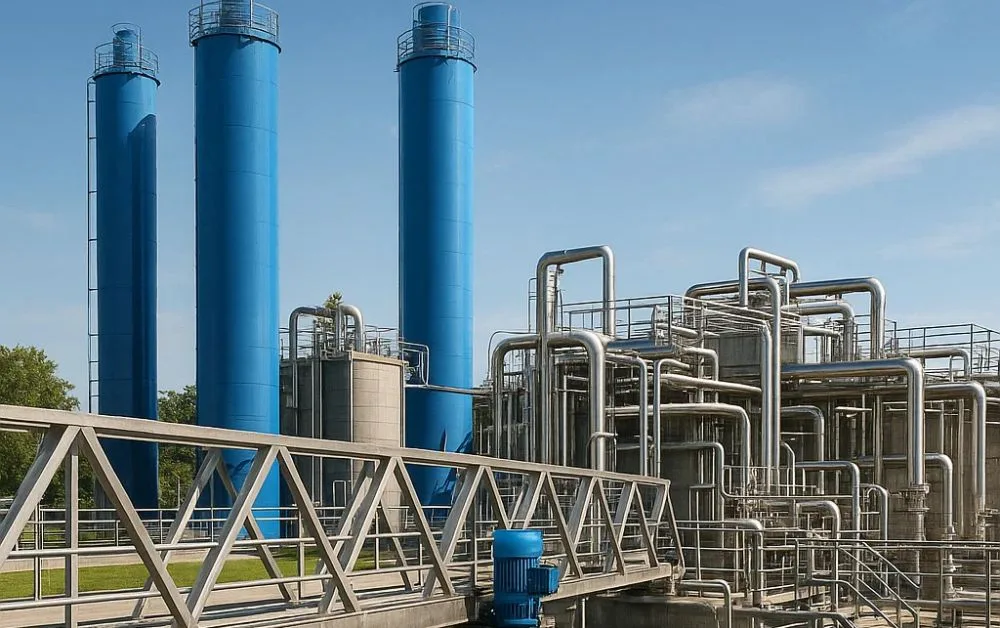
Water treatment solutions are far more than water purification systems—they are critical tools for improving energy efficiency in industrial operations. By preventing scaling, optimizing pump operations, enabling water recycling, and integrating automated monitoring, these solutions reduce energy consumption, lower operational costs, & promote sustainability. Industries that implement these systems benefit from both financial savings and environmental compliance.
For companies in Tanzania seeking reliable & efficient industrial water treatment solutions, Tamgo Tanzania Limited provides tailored systems designed to optimize water quality and energy efficiency, ensuring sustainable and cost-effective operations.
Leave a Reply