Author: admin

  • Top Benefits of Using Solar Power Solutions for Your Property

    Top Benefits of Using Solar Power Solutions for Your Property

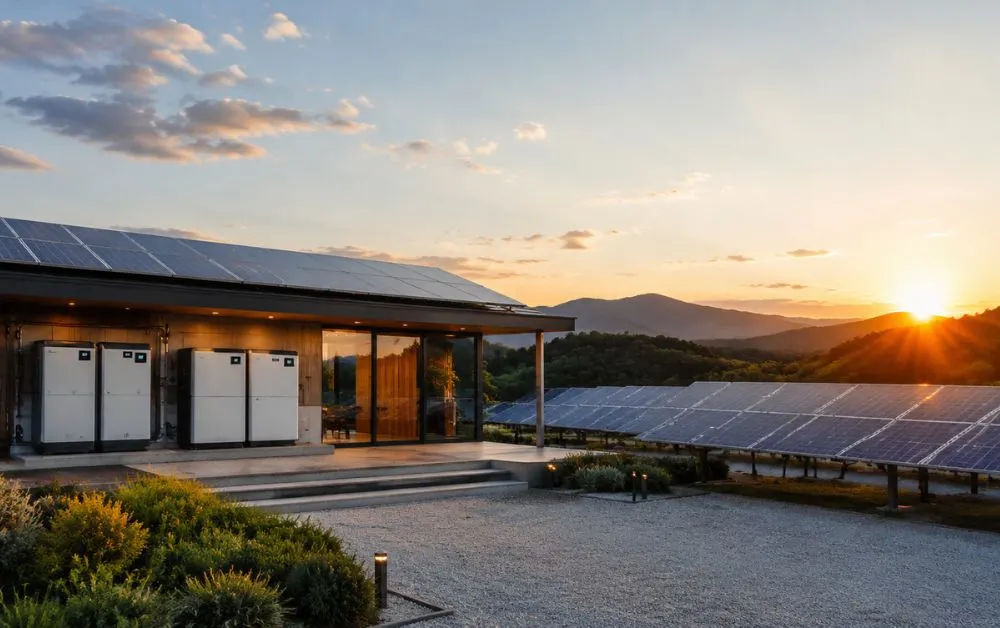
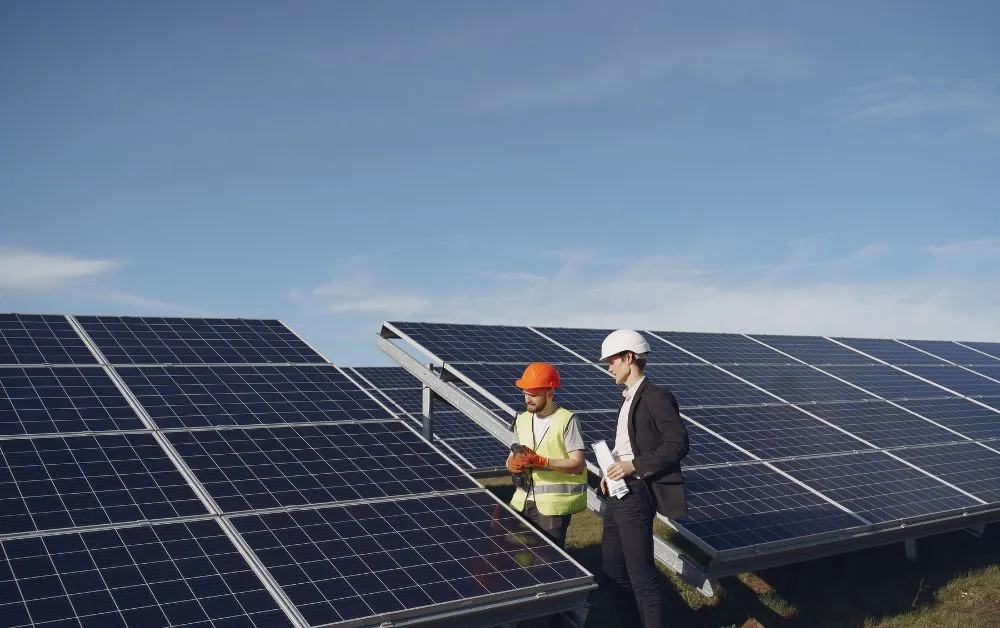
    Energy costs and reliability are pressing concerns for property owners across Tanzania — whether you manage a commercial building, operate an industrial facility, or run a residential property in an area with unreliable grid access. Solar power is no longer an experimental technology or an option reserved for specialized applications. It has become a practical, proven, and increasingly affordable solution that delivers measurable benefits across a wide range of property types and energy needs. Solar power solutions in Tanzania are now accessible to a broader range of property owners than ever before, and TAMGO Tanzania Limited is at the forefront of delivering these solutions with the expertise and equipment quality that clients can depend on.

    1. Substantial and Sustained Reduction in Energy Bills

    The most immediately compelling benefit of solar power for most property owners is the direct reduction in energy costs. Once a solar system is installed and commissioned, it generates electricity from sunlight throughout every day without any fuel cost. This generated electricity either offsets what you would otherwise draw from the grid during daylight hours or, in off-grid systems, fully replaces grid supply. The savings accumulate continuously and consistently — every sunny day is a day on which your solar system is producing value by displacing electricity that would otherwise need to be purchased. For commercial properties with significant daytime power consumption, the savings can be substantial from the very first month of operation.

    2. Energy Independence from an Unreliable Grid

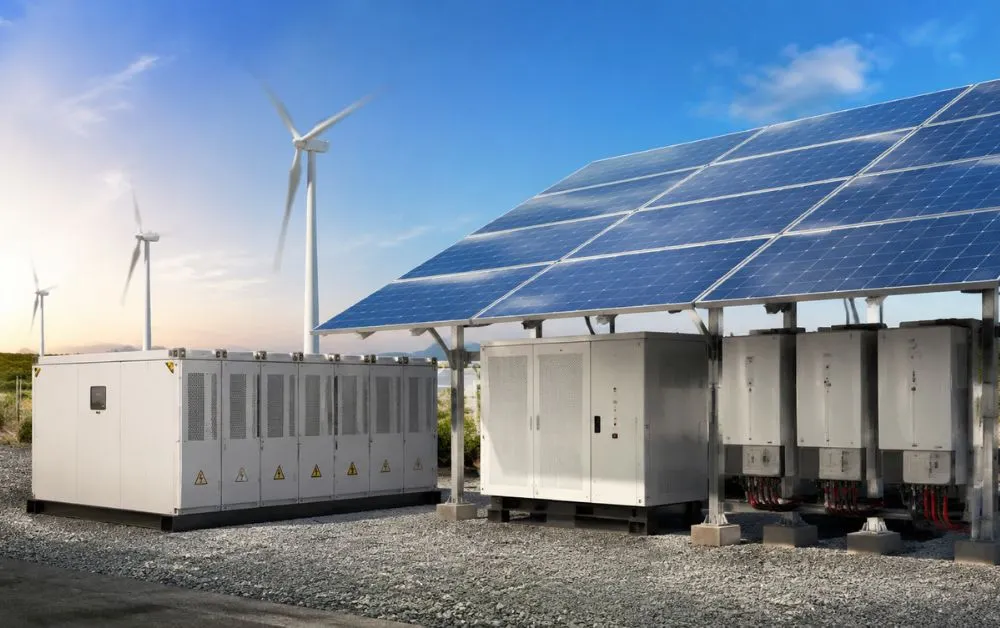
    Tanzania’s power grid, despite ongoing investment in infrastructure, still presents reliability challenges for many areas of the country. Businesses that depend entirely on grid supply are exposed to the cost and disruption of unexpected outages at unpredictable intervals. A solar power system with battery storage changes this fundamentally. The batteries store energy generated during daylight hours and make it available throughout the evening and night, or during periods when the sun is temporarily obscured. Combined with a diesel generator for extended cloudy periods, a solar and battery hybrid system provides a level of energy independence that eliminates the vulnerability to grid unreliability that purely grid-dependent properties face.

    3. Very Low Ongoing Operating Costs

    Solar power systems are among the lowest-maintenance energy technologies available. The solar panels themselves have no moving parts and require only periodic cleaning to maintain their energy production at optimum levels. Inverters and battery systems require routine monitoring and occasional component replacement but involve far less maintenance work and expenditure than a diesel generator running on fuel. Once the capital investment of installation is recovered — typically within a few years depending on system size and energy consumption patterns — the ongoing cost of energy production is minimal, making solar one of the most cost-effective long-term energy strategies for property owners.

    Explore more-What Factors Should You Consider Before Installing Solar in Tanzania?

    4. Environmental Responsibility and Sustainability Credentials

    Solar energy produces zero direct emissions during operation. For property owners and businesses that are conscious of their environmental footprint — or that serve clients and stakeholders who value sustainable practices — solar power is a meaningful and demonstrable commitment to environmental responsibility. As sustainability reporting and environmental credentials become increasingly relevant in procurement decisions and regulatory requirements, having a solar-powered property is an advantage that extends beyond the energy bill into the broader reputation and positioning of the business.

    5. Protection Against Rising Energy Prices

    Electricity tariffs in Tanzania, as in most countries, are subject to periodic increases driven by fuel costs, infrastructure investment requirements, and regulatory adjustments. A property owner who is partially or fully generating their own electricity through solar is insulated from these price increases to the extent of their solar generation. The more of your energy needs those solar covers, the less exposed you are to future tariff rises. This price stability is a genuine financial benefit that becomes more valuable over time as energy prices continue their long-term upward trajectory.

    6. Scalability to Match Growing Energy Needs

    One of the practical advantages of solar as an energy solution is that it can be scaled over time. A property owner can install a system sized for current needs and expand it later as energy consumption grows or budget allows. Adding additional solar panels, increasing battery storage capacity, or integrating the solar system with a generator or grid connection for a hybrid arrangement are all achievable within a well-designed system framework. TAMGO Tanzania Limited designs solar installations with future scalability in mind, ensuring that the initial investment is not stranded as your energy requirements evolve.

    Conclusion

    Solar power solutions in Tanzania offer property owners a compelling combination of energy cost reduction, grid independence, low maintenance, environmental responsibility, price stability, and scalability. These benefits are not theoretical — they are delivered consistently to the growing number of Tanzanian businesses and property owners who have already made the transition to solar. TAMGO Tanzania Limited provides comprehensive solar power solutions, from initial design and equipment supply through to installation, commissioning, and ongoing maintenance, ensuring that every system they deliver performs reliably and efficiently throughout its operational life.

  • Why Businesses Prefer Perkins Powered Generators for Daily Use

    Why Businesses Prefer Perkins Powered Generators for Daily Use

    In Tanzania’s commercial and industrial landscape, reliable electrical power is not something businesses can take for granted. Frequent grid interruptions, infrastructure challenges, and the remote location of many industrial facilities mean that having a dependable generator is a fundamental operational necessity rather than a luxury. Among the generator options available, Perkins powered generators have emerged as a consistently preferred choice for businesses that use their generators daily. As a leading provider of power solutions in Tanzania, TAMGO Tanzania Limited supplies FG Wilson generator sets powered by Perkins engines, helping businesses across the country access the performance and reliability that daily power demands require.

    The Engineering Heritage Behind Perkins

    Perkins has been manufacturing diesel and gas engines since 1932 — over nine decades of continuous engineering development and real-world refinement. Their engines have been deployed in some of the most demanding environments on earth, including construction sites, mining operations, agricultural applications, marine vessels, and industrial power generation across dozens of countries. This accumulated engineering experience is embedded in every Perkins engine that powers an FG Wilson generator, delivering a level of proven reliability that newer or less established engine brands simply cannot match. When a business chooses a Perkins powered generator for daily use, they are choosing an engine technology that has been refined through billions of hours of real-world operation.

    Consistent Performance Under Daily Operating Conditions

    For a generator used on a daily basis, consistency of performance is more important than peak capability. A generator that starts reliably every morning, runs smoothly throughout the working day without unexpected shutdowns, and shuts down cleanly without issues is worth far more to a business than one with impressive specifications that is unreliable in day-to-day operation. Perkins engines are designed with this consistency in mind. Their fuel injection systems, thermal management, and lubrication circuits are engineered to maintain stable performance across extended run times and varied load conditions — precisely the demands that daily business use places on a generator.

    Fuel Efficiency That Reduces Daily Running Costs

    For businesses running a generator every day, fuel cost is one of the most significant ongoing expenses associated with the equipment. Perkins engines are engineered for combustion efficiency, extracting maximum usable energy from each litre of diesel. This efficiency advantage, which may appear modest when looking at a single day’s fuel consumption, compounds significantly over weeks, months, and years of daily operation. For businesses managing tight operational budgets in Tanzania’s competitive market environment, the fuel savings from a more efficient engine can represent a meaningful contribution to profitability over time.

    Read more-How Are Energy Solutions in Tanzania Evolving with New Technology?

    Low Maintenance Demands for Continuous Availability

    A generator that requires frequent maintenance interventions to keep it running is a constant drain on time, money, and operational attention. Perkins engines are designed with durability and extended service intervals in mind, meaning they can run for longer periods between scheduled maintenance events without compromising reliability. When maintenance is due, the engine’s accessible layout makes service tasks straightforward for trained technicians. Genuine Perkins spare parts are available through TAMGO Tanzania Limited, ensuring that when service is needed, the right components are on hand without lengthy delays.

    Wide Power Range for Every Business Scale

    One of the most practical advantages of choosing Perkins powered generators through TAMGO Tanzania Limited’s FG Wilson range is the breadth of available power outputs. The range spans from smaller generator sets suitable for retail premises, clinics, and small offices up to large industrial units capable of powering entire manufacturing facilities. This means that regardless of the size of your business or the scale of your power requirement, there is a Perkins powered option that matches your needs without requiring you to overpay for excess capacity or compromise with insufficient power.

    Local Support That Makes Reliability Real

    The reliability of a Perkins powered generator in daily business use depends not just on the quality of the engine and generator set but also on the quality of local support available when maintenance or repair is needed. TAMGO Tanzania Limited maintains an experienced service team and spare parts inventory across Tanzania, ensuring that businesses using Perkins powered generators have access to prompt, professional support when their equipment needs attention. This local presence transforms the theoretical reliability of Perkins technology into practical, day-to-day operational certainty for businesses across the country.

    Conclusion

    For businesses that run their generators daily and cannot afford the disruption of unexpected downtime, Perkins powered generators offer a compelling combination of proven reliability, fuel efficiency, durability, and accessible maintenance. As a trusted provider of power solutions in Tanzania, TAMGO Tanzania Limited gives businesses across the country access to FG Wilson generator sets powered by Perkins engines, backed by the local support and expert knowledge to ensure they deliver on their full promise throughout their operational life.

  • What Role Do Fire Pumps Play in Emergency Preparedness?

    What Role Do Fire Pumps Play in Emergency Preparedness?

    When it comes to emergency preparedness, having the right systems in place can make all the difference in protecting lives, property, and assets during a fire. While fire alarms & sprinklers are essential components of any fire safety plan, fire pumps are the unsung heroes that ensure everything runs smoothly when an emergency arises. These pumps play a vital role in delivering water at the right pressure & volume, especially in large buildings or industrial facilities. For businesses, working with a trusted fire pump supplier in Tanzania can ensure safety and compliance when it matters most.

    Ensuring Rapid Response

    When a fire breaks out, every second counts. Fire pumps are crucial in speeding up the response time by delivering a steady flow of water right when it’s needed most.

    • The pump system kicks in automatically when it detects a pressure drop, which means water starts flowing immediately, without delay.
    • With consistent water supply, sprinklers and hydrants work as intended, helping to control or put out the fire faster.
    • This quick activation is especially important in preventing small fires from turning into larger, more dangerous situations.

    By investing in high-quality fire pumps, businesses can ensure their emergency response measures are as efficient and reliable as possible.

    Supporting High-Rise and Large Buildings

    High-rise buildings and large facilities often face unique challenges when it comes to fire safety. Simply relying on gravity for water flow isn’t enough, especially in multi-story buildings or expansive layouts.

    • Fire pumps boost water pressure to ensure that sprinklers and hydrants on upper floors or far-away sections of a building get the water they need.
    • They make it possible to deliver water to vertical or horizontal distances that gravity can’t handle alone.
    • Fire pumps can also be customized to suit the height of a building or specific water flow requirements, providing tailored solutions for urban and industrial settings.

    For businesses operating in large buildings or urban developments, fire pumps are indispensable to ensure comprehensive fire safety.

    Enhancing Industrial Safety

    Industrial facilities, particularly those with flammable materials or large machinery, face higher fire risks. In these environments, fire pumps are a critical part of the safety plan.

    • High-capacity fire pumps are designed to handle the demands of industrial settings, ensuring that water is available to tackle large-scale fire hazards.
    • Fire pumps can be integrated with foam systems, making them even more effective in controlling chemical or oil-based fires.
    • Regular maintenance & testing of fire pumps ensure that they are always ready, even in unexpected emergencies.

    By providing reliable fire protection, industrial businesses can reduce the risk of significant fire-related losses & enhance employee safety.

    Related read:-A Beginner’s Guide to Commercial Pump Systems

    Compliance with Safety Regulations

    Meeting fire safety regulations is a must for businesses in Tanzania. Fire safety standards require functional fire protection systems, and fire pumps play a key role in ensuring compliance.

    • Fire pumps help maintain the required water pressure for sprinklers and hydrants, which is essential to pass safety inspections.
    • Proper installation and maintenance make it easier for companies to meet fire safety regulations and avoid costly fines or penalties.
    • Regular testing and system checks keep everything up to code, ensuring businesses stay compliant with both local and international standards.

    When you work with a certified fire pump supplier, you ensure your equipment meets the highest safety and regulatory standards.

    Reducing Damage and Financial Losses

    Fire pumps do more than protect lives; they also help prevent significant property damage and financial losses. A well-maintained fire pump system can contain a fire quickly, reducing the overall damage caused.

    • Fire pumps provide consistent water flow, which helps stop fires from spreading quickly.
    • By controlling the fire early, fire pumps reduce the costs of repairs and replacements for damaged equipment and infrastructure.
    • Insurance companies are more likely to offer better terms to businesses with compliant and effective fire safety systems.

    Fire pumps not only provide peace of mind, but they also protect your business financially by limiting the damage caused by fires.

    Maintenance and Reliability

    To ensure that fire pumps perform as needed during emergencies, regular maintenance is key. Proper care ensures that the system will work when you need it most.

    • Fire pumps should be tested regularly to ensure they’re providing the right water pressure and flow.
    • Components such as valves, motors, and controllers need periodic inspection to ensure that they’re in good working condition.
    • Partnering with a reliable fire pump supplier ensures you have access to professional support, high-quality parts, and ongoing technical assistance.

    Routine maintenance is crucial for guaranteeing that your fire pump system remains operational and ready for emergencies.

    Conclusion

    Fire pumps are a crucial part of any emergency preparedness plan, ensuring that fire protection systems can deliver the right amount of water when it’s needed the most. For businesses in Tanzania looking for dependable, high-quality fire safety solutions, Tamgo Tanzania Limited is a trusted fire pump supplier, offering advanced systems that meet both safety and regulatory standards.

  • How Can Businesses Benefit from Water Solutions in Tanzania?

    How Can Businesses Benefit from Water Solutions in Tanzania?

    In Tanzania, access to reliable, clean water is essential for businesses across many sectors. Whether you’re in agriculture, manufacturing, or any other industry, having a steady water supply can make or break your operations. Thankfully, modern water solutions in Tanzania are helping businesses tackle issues like scarcity, contamination, and infrastructure limitations, enabling them to thrive and grow. Let’s dive into how businesses can benefit from these innovative water solutions.

    Ensuring a Consistent Water Supply

    For many businesses, inconsistent or unreliable water supply can cause disruptions. This is where modern water solutions come in, offering a way to ensure that you always have the water you need when you need it.

    • Industrial water treatment plants can provide businesses with a constant flow of clean water, no matter what the weather or municipal supply situation is.
    • Rainwater harvesting systems are a great way to supplement your water supply, reducing reliance on the grid and giving you more control over your resources.
    • Automated pumping and storage systems can make sure you’ve got water available during peak demand times, preventing shortages when things get busy.

    With a reliable water system in place, businesses can run smoothly without worrying about unexpected water shortages.

    Supporting Agricultural Productivity

    Tanzania’s economy relies heavily on agriculture, & water is key to boosting productivity in the sector. Modern water solutions are transforming how farmers manage irrigation and water use.

    • Solar-powered pumps are providing a cost-effective and sustainable way to irrigate crops without the ongoing costs of fuel.
    • Water recycling systems are helping farmers get more use out of the same water, making sure every drop counts.
    • Precision irrigation technology ensures that crops get just the right amount of water—no more, no less—leading to better yields and lower costs.

    With these tools, farmers are making smarter use of water, improving their productivity, and ultimately increasing their profits.

    Reducing Operational Costs

    Water management isn’t just about having enough water—it’s also about making it work for you in the most efficient way possible. Efficient water use can save businesses a lot of money.

    • Energy-efficient pumps use less electricity or fuel, which cuts down on operating costs.
    • Water treatment & recycling systems reduce the amount of water you need to buy, lowering expenses over time.
    • Preventive maintenance keeps water systems running efficiently for longer, avoiding costly breakdowns and replacements.

    When water and energy costs are reduced, businesses have more room to reinvest in other areas that will help them grow.

    Related read:-The Biggest Water Challenges Facing Tanzania Today

    Improving Product and Service Quality

    For industries like food production, pharmaceuticals, and textiles, the quality of water is directly tied to the quality of the final product. Contaminated or inconsistent water can cause serious issues.

    • Filtration and purification systems remove impurities from the water, making it safe for use in production.
    • Softening and chemical treatment ensures the water meets the necessary industrial standards.
    • Real-time water monitoring ensures the water remains of consistently high quality, so businesses can produce the best products possible.

    Having clean, reliable water ensures that products meet regulatory standards & helps businesses build trust with customers who rely on the quality of their goods.

    Promoting Environmental Sustainability

    As more sectors recognize the importance of sustainability, water solutions are helping reduce environmental impact while improving operational efficiency.

    • Rainwater harvesting reduces the strain on natural water sources, helping preserve the environment.
    • Solar-powered pumps cut down on carbon emissions, reducing a company’s overall carbon footprint.
    • Efficient irrigation minimizes water waste, ensuring that natural resources are preserved for future generations.

    By adopting these eco-friendly solutions, businesses don’t just save money—they also improve their reputation as responsible, sustainability-conscious companies.

    Compliance with Regulations

    In many industries, water management is closely tied to regulations. Keeping up with rules is crucial to avoid fines or damage to a company’s reputation.

    • Industrial water treatment systems ensure that businesses comply with local standards for water quality and wastewater management.
    • Monitoring tools help businesses stay on top of their water usage and reporting, simplifying the compliance process.
    • Proper wastewater management helps reduce environmental risks and keeps businesses in line with regulations.

    By adopting modern water solutions, businesses can ensure they meet legal requirements without the hassle of constant regulatory pressure.

    Conclusion

    Water is one of the most important resources for any business, and effective water management can directly impact a company’s bottom line. From ensuring a steady water supply to improving sustainability and compliance with regulations, modern water solutions are helping businesses thrive in Tanzania. For companies looking for reliable, efficient, and scalable water systems, Tamgo Tanzania Limited offers tailored solutions designed to meet your unique needs and support long-term growth.

  • Diesel Generator vs Gas Generator: Which One Is Better for Backup Power?

    Diesel Generator vs Gas Generator: Which One Is Better for Backup Power?

    Reliable backup power is a must for homes, businesses, and industries, especially in areas where power interruptions can disrupt daily activities. But when it comes to choosing between diesel and gas generators, the decision can be tough. Both options have their unique benefits, and understanding their differences can help you make the right choice based on your needs. For many businesses, a diesel generator in Tanzania is often the preferred choice due to its strength, reliability, and efficiency. Here’s a closer look at both options to help you decide which is best for your backup power needs.

    Understanding Diesel Generators

    Diesel generators have long been a go-to option in industries and commercial sectors for their reliability & strength. These generators use diesel fuel and are known for providing consistent power, especially during long-term use.

    Key advantages of diesel generators:

    • Fuel efficiency: Diesel generators consume less fuel for the same power output compared to other generator types.
    • Long lifespan: With proper maintenance, diesel generators last longer and require fewer replacements.
    • Heavy-duty performance: They can handle continuous operations & high-demand tasks without failure.
    • Lower fire risk: Diesel fuel is less flammable than gasoline, making it safer for certain industrial settings.

    Diesel generators are ideal for industries like construction, healthcare, & manufacturing, where steady & uninterrupted power is crucial to keep things running smoothly.

    Understanding Gas Generators

    Gas generators typically run on natural gas or propane and are popular for residential or light commercial use due to their cleaner, quieter operation.

    Key advantages of gas generators:

    • Environmentally friendly: Gas generators produce fewer emissions compared to diesel, making them a greener option.
    • Quieter operation: They are much quieter, which makes them a better choice for residential areas or places where noise is a concern.
    • Lower initial cost: In some cases, gas generators are cheaper to purchase than diesel ones.
    • Continuous fuel supply: If connected to a gas line, they can provide a constant source of fuel, reducing the need for refueling.

    Gas generators work well for applications where power needs are moderate and where environmental impact and noise levels are important considerations.

    Performance Comparison

    When comparing the performance of both types of generators, diesel engines generally outperform gas units under heavy loads or long-term use.

    • Diesel generators handle high-demand equipment more efficiently and can run continuously for longer periods without interruption.
    • Gas generators are typically better for moderate, short-term usage, and they perform well under lighter loads.
    • Diesel engines are also more robust and perform well in harsh environments, which is why they are preferred in commercial and industrial applications.

    For businesses that require dependable, round-the-clock backup power, diesel generators are typically the better choice.

    Fuel Efficiency and Cost

    Fuel costs can be a significant factor when considering long-term generator usage. Here’s how they compare:

    • Diesel generators are more fuel-efficient, meaning they use less fuel for the same amount of power.
    • Gas generators may have lower fuel costs, depending on the availability of gas in your area.
    • Diesel units tend to be more economical for extended use, mainly in industrial settings where constant power is needed.

    While gas generators might appear more cost-effective initially, diesel generators often offer better long-term value due to their superior fuel efficiency.

    Find out more-Diesel Generators vs. Gas Generators: Which One Should You Choose?

    Maintenance and Durability

    Diesel and gas generators differ significantly in terms of maintenance & durability:

    • Diesel generators require regular maintenance but are built to last longer and are more resistant to wear and tear.
    • Gas generators typically have fewer maintenance requirements, but they may have a shorter lifespan compared to diesel engines.
    • Diesel engines are known for their ruggedness & reliability, particularly in demanding environments.

    For businesses or individuals looking for a long-term, low-maintenance solution, diesel generators are a more reliable option.

    Environmental Impact

    In today’s world, reducing environmental impact is becoming a priority for many consumers. Here’s how diesel and gas generators stack up:

    • Gas generators produce fewer emissions & are considered a cleaner, greener option compared to diesel.
    • Diesel generators have made great strides in reducing emissions through modern technologies and stricter regulations.
    • Hybrid systems that combine diesel with renewable energy sources are also helping to reduce the environmental impact of diesel power.

    While gas generators may have an edge in terms of emissions, modern diesel generators are closing the gap with better emission controls.

    Noise Levels and Installation

    Noise levels and installation requirements can be major factors in your decision:

    • Gas generators are much quieter than diesel generators, making them more suitable for residential or noise-sensitive environments.
    • Diesel generators, while powerful, are generally noisier and may require more space for installation, often in a dedicated area to minimize noise & fumes.

    If you’re running a business in a commercial space, performance may take priority over noise, but for residential settings, the quieter operation of a gas generator might be preferred.

    Conclusion

    Both diesel and gas generators have their strengths, and the best choice depends on your power needs, budget, & long-term plans. Diesel generators excel in performance, fuel efficiency, and durability, making them ideal for demanding applications. For those seeking diesel generators, Tamgo Tanzania Limited provides trusted expertise and high-quality solutions tailored to your specific needs 

  • How Are Energy Solutions in Tanzania Evolving with New Technology?

    How Are Energy Solutions in Tanzania Evolving with New Technology?

    Tanzania is undergoing a significant shift in how it generates, distributes, and consumes energy. As the demand for power rises, driven by industrial growth, urbanization, & rural electrification goals, the country is embracing new technologies to create a more reliable, efficient, and sustainable energy ecosystem. Today, energy solutions in Tanzania are evolving far beyond traditional sources, becoming smarter, greener, and more tailored to the country’s specific needs.

    The Shift Toward Renewable Energy

    One of the most striking changes in Tanzania’s energy landscape is the increased adoption of renewable energy. Solar power, in particular, is leading the way, thanks to the country’s abundant sunlight.

    • Solar panels are now common in both urban centers and rural areas, providing reliable energy in places where the grid is either unreliable or unavailable.
    • Off-grid solar systems are helping to bring electricity to remote communities, making a huge difference in people’s lives.
    • Hybrid systems, which combine solar energy with backup diesel generators, are becoming popular in areas where a steady power supply is crucial but not always guaranteed.

    This shift toward renewables is not just about cutting costs; it’s about reducing the reliance on fossil fuels and creating a cleaner, more sustainable energy future for Tanzania. Wind & hydroelectric energy projects are also expanding, contributing to a more diversified energy mix.

    Smart Technology Integration

    Technology is playing an increasingly important role in making Tanzania’s energy systems more efficient and user-friendly.

    • Smart meters are now being used across the country, allowing users to track their energy consumption in real-time & adjust their habits accordingly.
    • Automated systems are improving power distribution, helping to minimize losses and ensure that electricity is delivered where it’s needed most.
    • Remote monitoring of energy systems is reducing downtime and making maintenance easier and more cost-effective.

    These smart solutions make the entire energy system more manageable, giving both energy providers and consumers greater control and predictability.

    Growth of Solar Water Pumping Systems

    Agriculture, a cornerstone of Tanzania’s economy, is benefiting greatly from new energy innovations. Solar-powered water pumps are becoming increasingly popular among farmers for their ability to provide a steady supply of water without relying on expensive fuel-based pumps.

    • These solar-powered pumps eliminate the ongoing cost of fuel and maintenance associated with traditional pumps.
    • They offer farmers a consistent water supply for irrigation, helping to improve crop yields and productivity.
    • Over time, the operational savings are substantial, providing long-term financial benefits to farmers and the broader agricultural sector.

    This is a perfect example of how modern energy technologies are directly enhancing productivity and livelihoods, especially in rural areas.

    Expansion of Industrial Energy Solutions

    Tanzania’s industrial sectors, including manufacturing, mining, and construction, are also reaping the rewards of advanced energy technologies. These sectors require reliable & scalable power solutions, and technology is stepping up to meet these needs.

    • High-efficiency generators are ensuring that factories and plants can operate smoothly without interruptions.
    • Energy storage systems are providing backup power during outages, giving businesses peace of mind.
    • Customized energy solutions tailored to specific industry needs are making it easier for companies to manage their power usage efficiently.

    These energy solutions help businesses stay competitive and ensure that operations continue without costly downtime.

    Also Read-What Challenges Do Businesses Face When Implementing Power Solutions?

    Improved Energy Storage Systems

    Energy storage is another area that’s seeing rapid growth in Tanzania. With the increase in renewable energy generation, advanced storage technologies are becoming critical in balancing supply and demand.

    • Lithium-ion batteries, known for their long lifespan and efficiency, are increasingly used to store energy generated by solar and wind systems.
    • These storage systems ensure that excess energy is captured and available for use during periods of low sunlight or wind, improving the reliability of renewable sources.
    • Backup power storage is also ensuring that businesses & communities have power during grid failures, making energy more stable and dependable.

    With energy storage solutions, Tanzania is moving closer to achieving energy independence, even in areas where grid infrastructure is still developing.

    Government Support and Infrastructure Development

    The Tanzanian government is playing a key role in fostering the growth of modern energy technologies.

    • Rural electrification programs are bringing electricity to more communities, improving access to power in underserved areas.
    • Public-private partnerships are accelerating infrastructure development, ensuring that new energy technologies are integrated across the country.
    • Government incentives are encouraging businesses to invest in renewable energy, further driving the transition to a cleaner energy mix.

    These efforts are helping to create a supportive environment for the continued development of the energy sector, making it easier for businesses & individuals to adopt new technologies.

    Conclusion

    Tanzania’s energy sector is in the midst of an exciting transformation. From the rise of renewable energy sources to the integration of smart technology and energy storage, the country is building a smarter, more sustainable energy future. For businesses looking to stay ahead of the curve and embrace these innovations, Tamgo Tanzania Limited offers reliable energy solutions tailored to your specific needs, helping you thrive in an evolving energy landscape.

  • How Do Lowara Pumps Compare to Other Pump Brands in Tanzania?

    How Do Lowara Pumps Compare to Other Pump Brands in Tanzania?

    Choosing the right pump is critical for industries, agriculture, and businesses in Tanzania. A good pump can make all the difference when it comes to efficiency, costs, and long-term reliability. While there are many pump brands to choose from, Lowara pumps have built a strong reputation for their quality and durability. So, how do they stack up against other brands available in Tanzania? Let’s take a closer look.

    Build Quality and Durability

    Lowara pumps are known for being tough and reliable. They’re made with high-quality materials like stainless steel & corrosion-resistant alloys, meaning they’re built to last, even in tough conditions.

    Some local or cheaper pump brands might use lower-quality materials to save costs. While that may look like a bargain at first, these pumps are more likely to rust, wear out quickly, or break down more often. For businesses in Tanzania, investing in a durable brand like Lowara means fewer repairs and replacements and more consistent operation.

    Energy Efficiency and Cost Savings

    When it comes to energy efficiency, Lowara pumps really shine. They’re designed to optimize performance, which aids you save on electricity bills—mainly important if you’re running high-demand operations like irrigation or manufacturing.

    Many lower-cost alternatives don’t always focus on energy efficiency, which means they can end up consuming more power over time, costing you more in the long run. Lowara pumps are engineered to save you money by using less energy while still performing at a high level. This makes them a great long-term investment, especially for businesses looking to cut operational costs.

    Range of Options for Different Needs

    Lowara pumps offer a wide range of models to suit just about every need—whether you’re in agriculture, construction, water treatment, or any other industry. From submersible pumps to centrifugal models, you’re sure to find something that fits your specific needs.

    Some competing brands may not offer as many choices, which can limit your options if you’re looking for a pump with very specific features. With Lowara, you can pick from a variety of pumps, knowing that you’re getting one that’s made for the job, whether it’s boosting water pressure or handling industrial wastewater.

    Reliability and Consistent Performance

    One of the standout features of Lowara pumps is their reliability. These pumps are engineered to deliver consistent performance with minimal downtime. They are designed to keep running smoothly, even under pressure, which is critical for industries that can’t afford interruptions.

    On the flip side, some cheaper or untested pump brands may not offer the same level of reliability. You might find that you’re dealing with unexpected breakdowns or maintenance issues more frequently, leading to higher costs and less productivity. Lowara pumps, on the other hand, are built to minimize these risks and keep your operations running without a hitch.

    Additional resources-What Are Lowara Pumps and How Do They Work?

    Support and Service When You Need It

    Having access to good customer support and service is essential when it comes to pumps. Lowara offers excellent after-sales support, with local technicians available for installation, maintenance, and troubleshooting.

    With other pump brands, you might find it harder to get local support, leaving you to rely on third-party services or struggle with DIY fixes. The peace of mind that comes with knowing professional help is nearby makes Lowara a great option for businesses that want to avoid downtime & keep their systems in top shape.

    Upfront Cost vs. Long-Term Savings

    It’s true that Lowara pumps might come with a higher initial price tag compared to some cheaper local options. However, when you look at the bigger picture, they often end up being more affordable in the long run.

    Thanks to their energy efficiency, durability, and low maintenance needs, you’ll save money on energy bills and repairs down the line. Some lower-cost pumps may seem like a bargain at first, but you could end up spending more on replacements and repairs over time. Lowara pumps, though they may cost more upfront, offer great value in the long run by reducing your operational costs.

    Quality and Compliance

    Lowara pumps meet international standards, including ISO and CE certifications. This means they’re built with safety, quality, and environmental impact in mind.

    Other brands, especially cheaper ones, might not meet these same standards, which could put your business at risk of safety or regulatory issues. Choosing a brand like Lowara ensures that your pumps are compliant with industry standards, giving you peace of mind & protecting you from potential legal headaches.

    Conclusion

    Selecting the right pump brand in Tanzania is critical for efficiency, reliability, and cost management. When compared to other options, Lowara pumps stand out due to their durability, energy efficiency, versatility, & strong after-sales support. Investing in quality pumps ensures long-term performance, reduces operational costs, and provides consistent water management for various industries.

    For organizations seeking a dependable Lowara pumps supplier in Tanzania, Tamgo Tanzania Limited offers expertly sourced, installed, & maintained pumps tailored to industrial, commercial, and agricultural needs.

  • What Are the Long-Term Cost Savings of Using Sand Filtration Unit Systems?

    What Are the Long-Term Cost Savings of Using Sand Filtration Unit Systems?

    In Tanzania, clean and safe water is crucial for industries, agriculture, and communities alike. However, maintaining good water quality can come with high ongoing costs. One solution that’s gaining traction is the sand filtration unit system in Tanzania. While these systems need an initial investment, they can offer significant long-term cost savings by cutting down on operational expenses, improving efficiency, & promoting sustainability. Let’s break down how these savings add up over time.

    Lower Maintenance Costs

    Many traditional water treatment systems rely on complex equipment or chemical processes, which means more maintenance and higher costs. Sand filtration units, on the other hand, are relatively simple and require less upkeep.

    All that’s needed is occasional cleaning of the sand media and replacing parts when they wear out. This simplicity results in lower maintenance costs, fewer service calls, and less need for specialized technicians. Over time, this adds up to a more affordable and hassle-free way to treat water.

    Reduced Energy Consumption

    Unlike other filtration systems that require high-powered pumps or chemical dosing equipment, sand filtration units use gravity and low-pressure water flow to filter out contaminants. This makes them far less energy-intensive.

    Lower energy consumption means lower utility bills, which is a win for businesses trying to keep their costs down. It also benefits the environment, as you’re using less power to treat your water. Over the long run, these energy savings can be substantial, especially for businesses with high water demands, such as manufacturing plants or farms.

    Longer Equipment Lifespan

    Because sand filtration systems are simple and durable, they experience much less wear and tear than more complicated filtration systems. With no moving parts to break down and no chemicals to cause damage, they’re built to last longer.

    The longer lifespan of the equipment means fewer replacements, repairs, and costly downtime. A solid initial investment in a sand filtration system can pay off over several years, offering consistent water quality without having to constantly reinvest in new equipment.

    Lower Chemical Costs

    Many water treatment systems require expensive chemicals—like chlorine or coagulants—to keep water clean. These chemicals can quickly add up in cost and require careful handling and storage.

    Sand filtration units, however, rely on a natural filtration process using sand layers, meaning there’s little to no need for chemicals. This reduces operational costs and is also better for the environment, as you’re minimizing chemical use and the associated risks.

    Efficient Water Usage

    Sand filtration units are also more water-efficient than some other treatment systems. Many chemical-based systems waste large amounts of water during backwashing, but sand filtration works more efficiently, minimizing this kind of waste.

    This means you’re getting more out of every drop of water, which can lower your water bills. In areas where water is a limited resource or expensive, this efficiency can result in significant savings over time.

    Suggested Read-The Role of Water Treatment in Enhancing Manufacturing Efficiency

    Flexibility and Scalability

    One of the great things about sand filtration units is their scalability. Businesses can start with a system that meets their current water needs and then expand the system as their demands grow.

    This flexibility allows companies to avoid over-investing in oversized systems at the start. Instead, you can gradually increase your capacity as needed, spreading out the costs and making the investment more manageable in the long term.

    Minimizing Downtime and Operational Losses

    Water-related disruptions can cause major problems for businesses, especially in industries like manufacturing, food processing, and hospitality. A reliable sand filtration system helps reduce the risk of interruptions caused by contaminated water or equipment failure.

    By ensuring consistent water quality, you can keep your operations running smoothly, avoid costly downtime, and reduce the need for emergency repairs or temporary solutions.

    Environmental and Regulatory Benefits

    Another important factor is that sand filtration units are environmentally friendly. They use a natural filtration process, which means fewer chemicals are needed and there’s less impact on the environment.

    This eco-friendly approach can also help businesses stay compliant with environmental regulations, potentially saving on fines or additional treatment costs. Plus, adopting green technologies can enhance a company’s reputation, helping you attract environmentally-conscious customers and investors.

    Conclusion

    Investing in a sand filtration unit in Tanzania offers a wide range of long-term savings, from lower maintenance & energy costs to reduced chemical use and more efficient water management. These systems are a reliable, sustainable, and cost-effective solution for businesses and communities looking to improve their water treatment practices.

    For those looking for high-quality water management solutions, Tamgo Tanzania Limited offers expertly designed, installed, and maintained sand filtration systems tailored to industrial, agricultural, and commercial needs.

  • What Are the Environmental Benefits of Using Solar Water Pumping Systems?

    What Are the Environmental Benefits of Using Solar Water Pumping Systems?

    Water is a vital resource for agriculture, industry, and communities, but managing it in an eco-friendly way can be challenging. Traditionally, many water pumps run on electricity or diesel, both of which are not only costly but also contribute to pollution. Solar water pumping systems, however, offer a much cleaner, greener alternative. Let’s take a look at the environmental benefits of making the switch to solar-powered pumps.

    Reducing Greenhouse Gas Emissions

    One of the main benefits of solar-powered water pumps is that they cut out the need for fossil fuels, like diesel or coal, which release harmful greenhouse gases. By using solar energy instead, these pumps operate cleanly, without contributing to climate change.

    In areas where agriculture or water-heavy industries are running, this shift can make a big difference. Switching to solar-powered pumps can help businesses and communities significantly lower their carbon footprint—improving air quality and contributing to a healthier environment overall.

    Saving Fossil Fuels

    Diesel and electricity-based pumps rely heavily on non-renewable resources, which are both limited and increasingly expensive. Solar-powered pumps, on the other hand, run on sunlight—a free and renewable resource.

    This not only drops dependence on fossil fuels but also aids save money on energy bills, mainly in remote areas where access to fuel or electricity might be unreliable. By tapping into the power of the sun, we’re conserving valuable resources for future generations.

    Cleaner Water with No Risk of Contamination

    Traditional diesel or electric pumps sometimes spill fuel or leak chemicals, which can contaminate nearby water supplies. Solar-powered pumps operate without any of these risks since they don’t require fuels or chemicals to run.

    For agriculture or livestock farming, this is a big win. Clean water is crucial for healthy crops and animals, and solar-powered pumps ensure that the water remains uncontaminated, promoting better farm yields and healthier ecosystems.

    Less Noise Pollution—Better for Wildlife

    If you’ve ever worked near a noisy diesel pump, you know how disruptive the sound can be. Solar pumps are much quieter and won’t disturb surrounding communities or wildlife.

    For sensitive areas—like nature reserves or farms near wildlife—this is a major plus. It helps reduce stress for both animals and humans. Plus, in areas where conservation is key, quiet solar pumps are far less disruptive to the local fauna, allowing ecosystems to thrive in peace.

    Supporting Sustainable Agriculture

    Agriculture is one of the biggest consumers of water, and using water efficiently is crucial. Solar pumps help by providing a reliable, consistent water supply—especially in places without access to the electrical grid.

    Farmers can use solar pumps to power irrigation systems like drip or sprinklers, ensuring they use water efficiently and reducing waste. This not only conserves water but also supports more sustainable farming practices, helping to preserve water resources for the future.

    Suggested Read-The Benefits of Solar Water Pumping for Rural Tanzanian Communities

    Protecting Soil Health

    Another environmental benefit of solar water pumps is that they help prevent soil degradation. Traditional pumps, particularly fuel-powered ones, can sometimes lead to over-irrigation, which harms the soil by causing erosion or salinization.

    Solar-powered systems, on the other hand, provide controlled water flow, which helps farmers manage water levels more precisely. This leads to healthier soil, less erosion, and ultimately better crop production.

    Leading the Way for Renewable Energy

    By adopting solar water pumps, you’re not just improving water access; you’re also promoting renewable energy. Communities and businesses using solar-powered pumps are more likely to explore other clean energy solutions like solar lighting or solar-powered storage.

    This shift toward renewable energy helps build a stronger foundation for a sustainable, low-carbon future, while also aligning with global sustainability goals.

    Long-Term Environmental and Financial Benefits

    While the upfront cost of solar water pumps can be higher than traditional pumps, the long-term environmental and financial savings are huge. Reduced fuel consumption, lower maintenance costs, and no emissions mean a smaller environmental footprint & fewer ongoing expenses.

    So, while it’s an investment at first, solar-powered pumps save money over time and help businesses & communities make a positive impact on the planet.

    Conclusion

    Solar water pumping is more than just a practical solution for reliable water access—they’re an environmentally friendly choice that helps reduce emissions, conserve fossil fuels, and protect local ecosystems. Whether you’re in agriculture, industry, or a community looking for sustainable water management, solar pumps offer a cleaner, greener way to get the job done.

    If you’re in Tanzania and looking for a trusted supplier of solar water pumping systems, Tamgo Tanzania Limited offers expertly designed, installed, and maintained systems tailored to meet your needs.

  • What Challenges Do Businesses Face When Implementing Power Solutions?

    What Challenges Do Businesses Face When Implementing Power Solutions?

    In Tanzania, reliable electricity is a must for businesses of all sizes, from manufacturing plants to office spaces. Without consistent power, operations can grind to a halt, affecting productivity and growth. However, implementing effective power solutions isn’t always smooth sailing. There are several challenges that businesses often face—technical, financial, and logistical—that can impact their energy strategies. Understanding these challenges aids businesses choose the right power solutions for long-term efficiency.

    High Initial Investment Costs

    One of the biggest hurdles businesses faces when adopting advanced power solutions is the upfront cost. Whether it’s installing solar panels, setting up hybrid systems, or investing in diesel generators, the initial investment can be significant. For small and medium-sized businesses, this can be a major financial strain.

    While these systems typically offer long-term savings & reliability, the initial expense might discourage businesses from making the switch. It’s important for businesses to look at the return on investment (ROI), explore financing options, or take advantage of government incentives and leasing models to make the transition more affordable.

    Unreliable Grid Infrastructure

    Even though Tanzania is making strides in improving its national grid, power inconsistencies remain an issue in some areas. Frequent outages, voltage fluctuations, and limited grid capacity can disrupt day-to-day operations—especially in industries like manufacturing, healthcare, and hospitality. As a result, businesses often have to rely on backup generators or hybrid systems, which add complexity and cost.

    When working with grid limitations, it’s crucial to plan ahead. A proper energy assessment can help determine peak loads, backup requirements, and ways to integrate renewable energy to keep operations running smoothly.

    Technical Complexity and Integration

    When it comes to implementing advanced power solutions, things can get tricky. Hybrid systems—those that combine solar power, battery storage, and generators—require careful integration to work efficiently. If not set up properly, businesses could experience issues like energy losses, system inefficiencies, or frequent maintenance.

    This means investing in skilled technicians and making sure the system is designed correctly from the start. Ongoing monitoring and partnering with experienced service providers can aid ensure everything runs smoothly and that the system remains efficient long-term.

    Maintenance and Reliability Concerns

    Like any technology, power systems require regular maintenance. Solar panels, inverters, and batteries can wear down over time, and even diesel generators need regular servicing and fuel management. Skipping maintenance can lead to unexpected breakdowns, expensive repairs, & operational downtime.

    To avoid these issues, businesses need to set up preventive maintenance schedules and train staff to keep an eye on system performance. Outsourcing maintenance to experts can also aid reduce risks and extend the lifespan of the equipment.

    Regulatory and Policy Challenges

    Tanzania’s energy regulations can sometimes be difficult to navigate. There are licensing requirements, safety standards, & environmental guidelines that businesses must comply with when implementing new power systems. And let’s not forget, policy changes or shifting tariffs could affect costs or make some systems less feasible.

    Staying up-to-date on regulations is important to avoid penalties and ensure compliance. It’s also worth exploring government incentives that support renewable energy adoption, which can help offset the financial burden.

    Explore more-What Role Do Energy Solutions Play in Industrial Development in Tanzania?

    Limited Access to Skilled Personnel

    Another challenge that businesses face is the shortage of skilled technicians who are experienced with modern power solutions. Solar systems, hybrid setups, and battery storage require specialized knowledge & expertise, which may not always be available locally.

    This shortage can cause delays, increase costs, and even lead to reliability issues if the installation isn’t done right. Partnering with reputable companies that provide technical support, training, and skilled personnel can help overcome this hurdle and ensure smooth operations.

    Environmental and Site Considerations

    The physical environment plays a big role in how well power solutions perform. Solar panels, for example, need plenty of sunlight to operate efficiently, while generators require proper ventilation & fuel storage. Space limitations in urban areas can also restrict the size of the system, and harsh weather conditions could affect equipment performance.

    Before jumping into any project, businesses should conduct a thorough site assessment to ensure they’re selecting the best system for their location. By considering these environmental factors, businesses can maximize their system’s effectiveness & minimize potential issues down the road.

    Cost of Energy Storage

    Energy storage, particularly batteries, is an important part of any renewable energy system. But battery technology can be expensive, and selecting the right capacity is critical to avoid interruptions in power supply.

    On one hand, too little storage can lead to gaps in power availability, while over-investing in storage capacity drives up costs. Businesses need to balance their storage needs with energy demand and consider potential future growth when choosing their energy storage solutions.

    Conclusion

    While there are several challenges when implementing power solutions in Tanzania, businesses can overcome them with careful planning and the right partnerships. From high initial costs to regulatory compliance and technical integration, addressing these challenges early on will help ensure that the chosen energy system delivers long-term value.

    For businesses looking for reliable energy solutions, Tamgo Tanzania Limited offers expert support in designing, installing, & maintaining hybrid, solar, and generator-based power systems tailored to industrial and commercial needs.