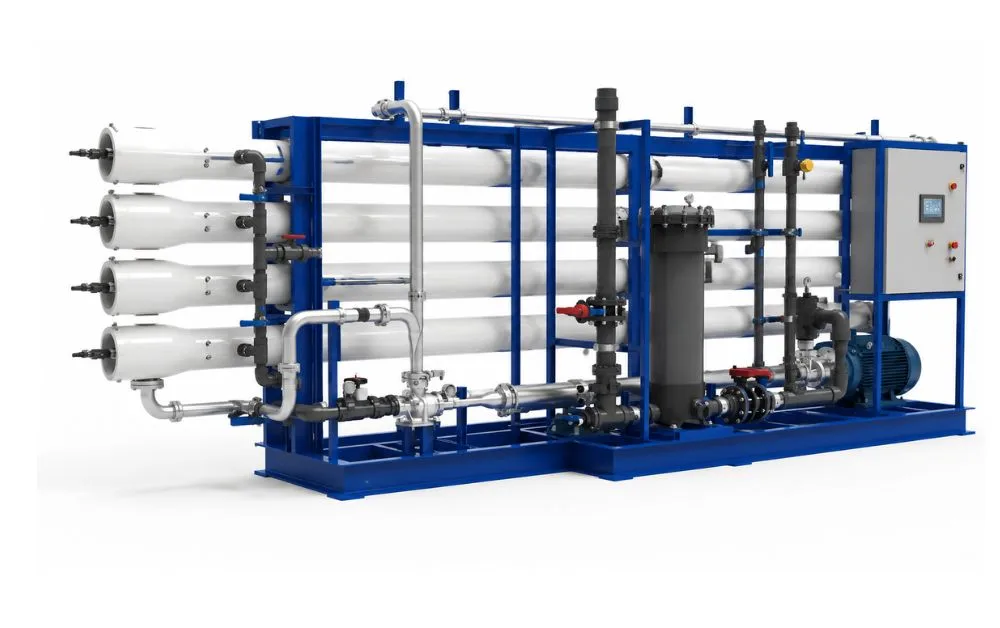
Clean, safe water for drinking, food processing, healthcare, and industrial processes is a fundamental operational requirement for Tanzania’s commercial and institutional sector — yet one that the country’s water supply infrastructure cannot consistently meet across all locations and applications. Reverse Osmosis Systems in Tanzania provide the most comprehensive, reliable, and widely applicable water purification technology available, producing water quality that consistently meets the strictest international standards regardless of feed water source variability, seasonal quality changes, or infrastructure quality limitations.
How RO Works and Why It Is Comprehensive
Reverse osmosis operates by applying hydraulic pressure to force water through a semi-permeable polyamide thin-film composite membrane that has pore sizes small enough to physically reject dissolved salts, minerals, heavy metals, organic compounds, bacteria, viruses, and most industrial chemical contaminants. The membrane allows water molecules to pass through while blocking the dissolved and suspended substances that impair water quality, concentrating them in a brine reject stream that is disposed of or, in some applications, processed further for recovery. The rejection performance of quality commercial RO membranes — typically 95 to 99.5 percent rejection of total dissolved solids across a wide range of contaminant types — is unmatched by any other water treatment technology at comparable operating cost. This comprehensive rejection capability makes RO the appropriate specification for any Tanzania application where water quality certainty is a non-negotiable operational requirement.
Key Tanzania Commercial Applications
Hotels and hospitality properties across Tanzania’s growing tourism sector use RO systems for safe drinking water supply, ice production, kitchen and bar water supply, and bottled water production — avoiding the cost and environmental impact of purchased bottled water while providing guests with water quality confidence that builds brand reputation. Food and beverage manufacturers require RO-quality water for ingredient water in products where mineral content would affect flavour, shelf life, or product consistency. Hospitals and healthcare facilities need pathogen-free water for patient safety, sterilisation processes, and pharmaceutical preparation applications where microbial contamination represents a direct patient safety risk. Mining and industrial operations use RO for boiler feed water treatment that prevents the scale formation and corrosion that reduce boiler efficiency and service life. Telecommunications operators and data centre facilities use RO water for cooling system make-up water to prevent scale and corrosion in heat exchangers.
See also-How Do Industrial Water Treatment Solutions Improve Energy Efficiency?
Pre-Treatment: The Critical System Component
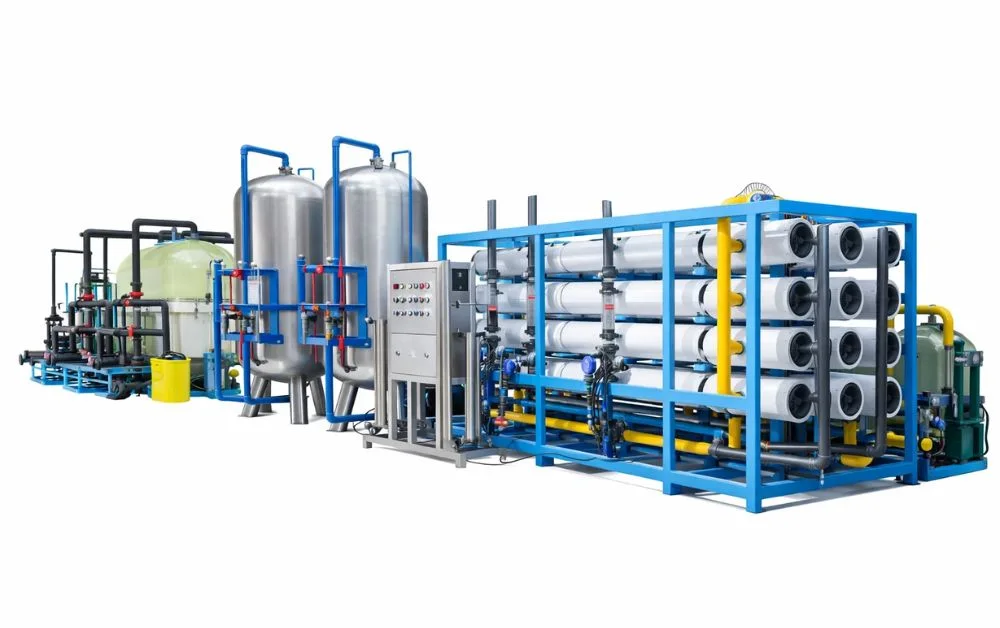
RO membrane performance and service life are critically determined by the quality of pre-treatment applied to the feed water before it reaches the membrane array. Tanzania’s diverse water sources – municipal water with variable chlorination and turbidity; borehole water with elevated iron, manganese, or hardness; surface water with seasonal turbidity and biological contamination; and brackish coastal groundwater – each require specific pre-treatment sequences to protect RO membrane performance and longevity. Multimedia sand filtration removes suspended solids and turbidity. Iron and manganese removal systems prevent the oxidation fouling that rapidly degrades membrane flux. Activated carbon filtration removes residual chlorine and organic compounds that degrade polyamide membranes chemically over time. Antiscalant dosing prevents the precipitation of sparingly soluble salts on membrane surfaces. Skipping or inadequately sizing pre-treatment components to reduce initial system cost is among the most common and costly specification errors in Tanzania RO system installations — consistently producing premature membrane fouling, reduced system output, and early membrane replacement costs that properly designed pre-treatment would have entirely prevented.
System Sizing for Tanzania Operations
Commercial RO system sizing requires accurate data on several parameters: the daily purified water consumption across the full operating week, accounting for peak demand periods; the peak instantaneous flow rate required to supply the process without storage buffer delays; the feed water quality parameters from laboratory analysis of an actual feed water sample; the minimum and maximum operating temperatures that affect membrane flux rates; and the available electrical supply capacity for the system’s high-pressure pump motors. Under-sizing creates supply shortfalls during peak demand that disrupt operations and undermine confidence in the water supply; over-sizing wastes capital and potentially creates membrane performance issues from extended low-utilisation operation. Working with experienced Tanzania water treatment system specialists who conduct proper water analysis and demand assessment before recommending a system specification ensures the installed system is correctly matched to actual requirements.
Maintenance and System Performance
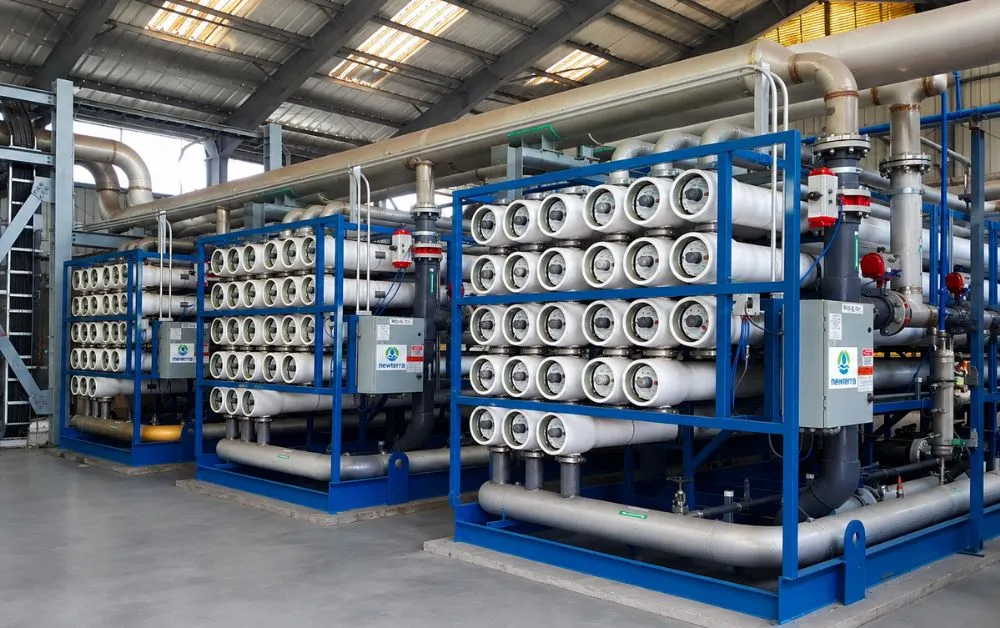
A correctly specified and installed RO system requires systematic maintenance to maintain its production performance across its design service life. Chemical cleaning of membranes when normalised flux declines by more than 10 to 15 percent from baseline preserves membrane performance and extends service life. Filter cartridge replacement at the intervals determined by feed water quality maintains pre-treatment effectiveness. Antiscalant dosing system calibration and chemical replenishment ensures consistent scale prevention. Annual system performance testing against the commissioning baseline confirms that performance is being maintained and identifies any degradation requiring investigation. Systems maintained on this programme by qualified water treatment technicians consistently achieve membrane service lives of three to five years — systems with inadequate maintenance frequently require membrane replacement within 12 to 18 months.
Leave a Reply