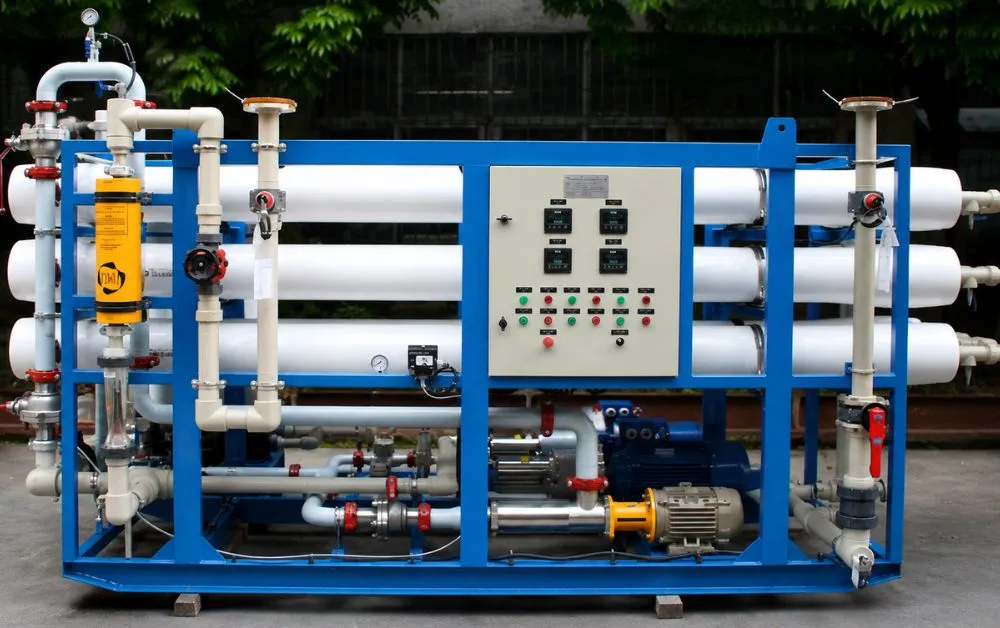
Not every water quality problem needs a full reverse osmosis system. For many applications, ultrafiltration offers an efficient way to remove bacteria, viruses, and suspended particles without the higher cost and complexity of RO. Finding the right Ultra Filtration Water Purification supplier in Tanzania is essential to getting a system that actually matches your water source and application. This guide explains how ultrafiltration works, where it fits best, and what to look for in a supplier.
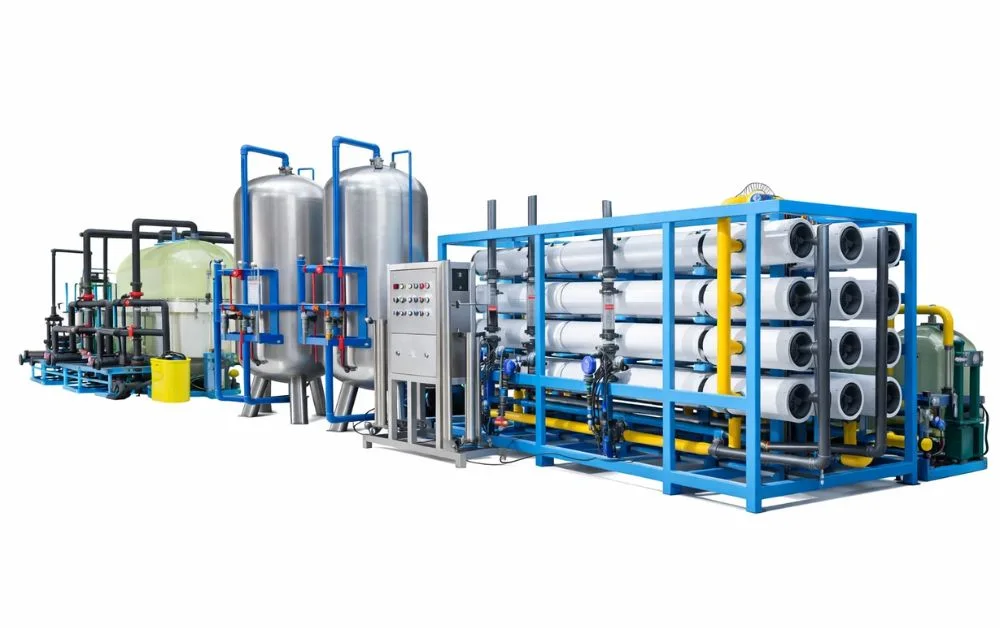
How Ultrafiltration Works
Ultrafiltration uses membranes with pores fine enough to block bacteria, viruses, and suspended solids while allowing water and dissolved minerals to pass through. Unlike reverse osmosis, ultrafiltration does not remove dissolved salts, so treated water retains its natural mineral content — which many people prefer for taste, and which avoids the additional cost of re-mineralization needed after RO treatment. This makes ultrafiltration a strong option where the main concern is biological contamination and turbidity rather than dissolved solids.
Where Ultrafiltration Fits Best
Ultrafiltration suits water sources that are biologically contaminated but not high in dissolved salts — a common situation in many parts of Tanzania where surface water or shallow groundwater carries bacteria and turbidity but not necessarily high mineral content. It works well for community drinking water projects, schools, small businesses, and households seeking safe water without the water wastage and higher running costs that come with reverse osmosis. It is also frequently used as a pre-treatment stage ahead of RO systems, protecting the more expensive RO membranes from fouling.
Key Advantages Over Other Treatment Methods
Ultrafiltration systems generally use less energy than reverse osmosis because they do not need to overcome osmotic pressure with high-pressure pumps. They also produce less reject water, meaning a higher percentage of the source water becomes usable output — an important consideration where water is scarce or expensive to source. Maintenance is comparatively simple, usually involving periodic membrane cleaning rather than complex chemical dosing regimes. For many household and small commercial applications, these advantages make ultrafiltration the more practical choice.
Related read:-Water Treatment for the Food and Beverage Industry: Complete Guide
What to Look for in a Supplier
A good ultrafiltration supplier should start by testing your source water rather than selling a standard package regardless of your actual water quality. They should explain clearly whether ultrafiltration alone is sufficient for your needs or whether it should be paired with other treatment stages such as carbon filtration or UV disinfection. Look for suppliers who provide genuine membrane replacements rather than generic substitutes, since membrane quality directly affects both water safety and system lifespan. TAMGO tests source water before recommending an ultrafiltration configuration, ensuring the system matches actual conditions rather than assumptions.
Installation and System Sizing Considerations
Correct sizing depends on daily water demand, peak flow requirements, and the level of contamination in the source water. Undersized systems struggle to keep up with demand, while oversized systems add unnecessary cost. Pre-filtration ahead of the ultrafiltration membrane is also important, since heavy sediment loads can shorten membrane life if not addressed upstream. TAMGO designs complete systems, including appropriate pre-filtration, rather than supplying the membrane unit in isolation.
Ultrafiltration Versus Reverse Osmosis: Making the Right Choice
Choosing between ultrafiltration and reverse osmosis comes down to what your source water actually needs. If dissolved salts, fluoride, or high mineral content are the main concern, reverse osmosis is usually necessary. If the primary issue is bacteria, viruses, or turbidity in water that is otherwise low in dissolved solids, ultrafiltration alone may be sufficient and considerably cheaper to run. Some applications benefit from both, using ultrafiltration as a pre-treatment stage to protect a downstream RO system from fouling. A supplier who explains this distinction clearly, rather than defaulting to the more expensive option, is one worth trusting with your water treatment decision.
Water Testing as the Starting Point
Any credible recommendation for ultrafiltration begins with actual water testing rather than assumptions based on the general area or source type. Basic parameters worth checking include turbidity, microbial contamination indicators, total dissolved solids, and any known local contaminants such as fluoride in groundwater regions. This data determines not just whether ultrafiltration is appropriate, but also what level of pre-filtration is needed ahead of the membrane. TAMGO carries out this testing before recommending any treatment configuration, ensuring the final system genuinely matches the water it needs to treat.
Ongoing Maintenance and Membrane Care
Ultrafiltration membranes need periodic backwashing and occasional chemical cleaning to maintain their flow rate and remove accumulated foulants. Left unmaintained, membranes lose permeability and eventually need premature replacement. TAMGO provides maintenance guidance and support services so that ultrafiltration systems continue performing at their designed capacity throughout their service life.
Conclusion
Working with an experienced Ultra Filtration Water Purification supplier in Tanzania ensures your system is matched to your actual water source and application, rather than a generic solution. TAMGO combines water testing, correct system design, and ongoing support to deliver ultrafiltration systems that perform reliably for homes, institutions, and small businesses across the country. Contact Tamgo Tanzania Limited today for an ultra filtration water purification consultation.
Leave a Reply