Category: Water Treatment Food and Beverage Industry

  • The Importance of Water Treatment in the Food and Beverage Industry

    The Importance of Water Treatment in the Food and Beverage Industry

    Water touches almost every part of food and beverage production. It’s used to wash, mix, cool, clean, & even as a main ingredient in many products. As a result, water quality directly affects product safety, taste, and consistency.

    For any manufacturer in the food and beverage industry, treating water properly isn’t just an option — it is a necessity. Clean, well-treated water helps protect consumers, ensures regulatory compliance, & keeps operations running smoothly.

    Across Tanzania and beyond, companies are investing in advanced water treatment food and beverage industry because they now understand that water quality has a direct impact on both the product & the bottom line.

    Why Water Quality Matters So Much

    For a food or beverage producer, water isn’t simply a utility — it’s part of the product itself. Every stage of production relies on it in some way.

    • As an ingredient, water is a central component of soft drinks, juices, dairy products, soups, and sauces. If the water isn’t clean, the taste, color, and consistency of the final product can all suffer.
    • For cleaning and sanitizing: Every factory uses water to wash raw materials, clean machines, and sanitize containers. Poor-quality water can easily introduce contamination rather than remove it.
    • For operations: Boilers, chillers, and other systems all depend on water. If that water contains minerals or impurities, it can damage machinery and slow production.

    In short, when water isn’t treated correctly, the entire production line is at risk — from the flavor of the product to the lifespan of the equipment.

    What Happens Without Proper Treatment

    When untreated or poorly treated water is used in food production, several problems can appear — and they can be costly.

    • Contamination: Harmful bacteria, chemicals, or metals in the water can make food unsafe to eat.
    • Changes in taste or smell: Even a small amount of chlorine or mineral buildup can alter the flavor of a drink or the texture of food.
    • Equipment damage: Minerals can cause scaling in pipes and boilers, reducing efficiency and increasing repair costs.
    • Regulatory trouble: Food and beverage companies must meet strict water safety standards. Failing to do so can lead to penalties, product recalls, or loss of market trust.

    Every one of these issues can be avoided with a properly installed water treatment system.

    Related read:-Troubleshooting Water Treatment Systems in Beverage Factories

    The Benefits of Water Treatment

    Clean, treated water keeps production running smoothly and safely. Here’s how:

    1. Safe and hygienic production

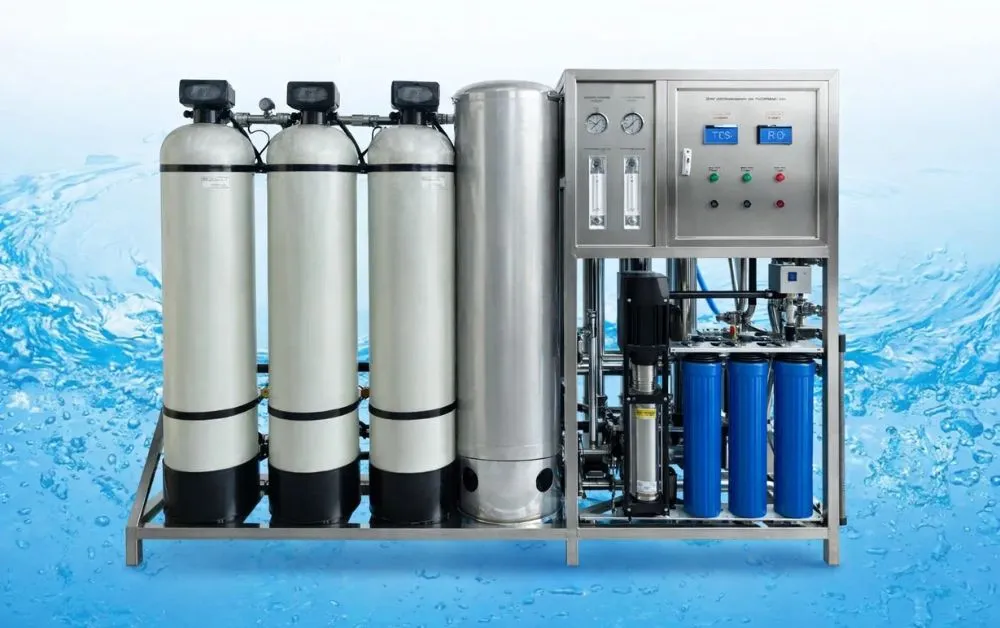
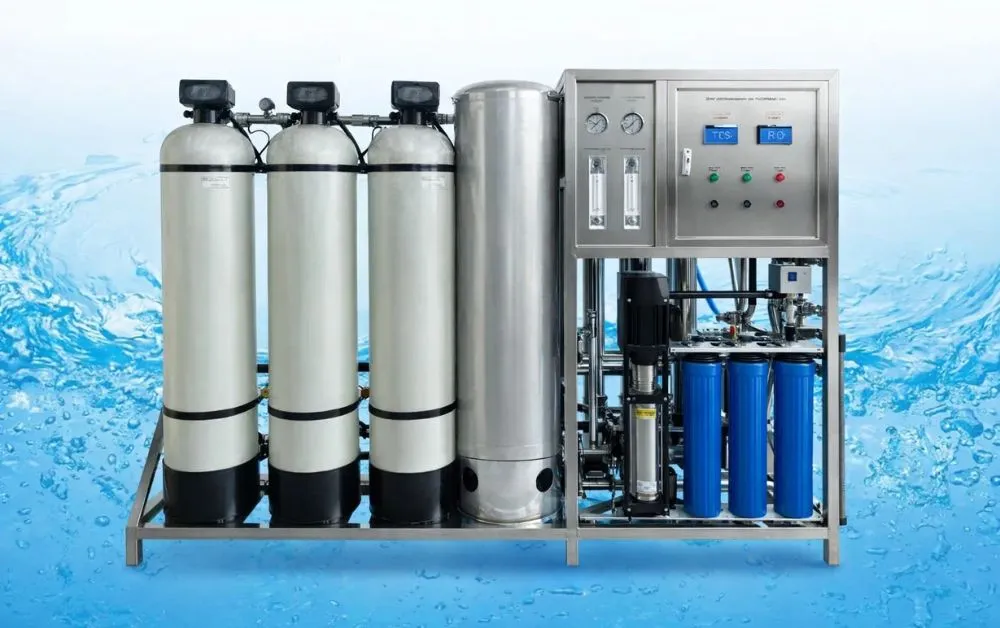
    Modern treatment systems — like UV purification, reverse osmosis, and carbon filters — remove harmful microbes and chemicals, keeping products safe for consumption.

    2. Consistent quality and taste

    The purity and mineral balance of treated water help maintain the same flavor, color, and texture across every batch. Customers notice & appreciate consistency.

    3. Better equipment performance

    Treated water prevents scaling and corrosion, helping machines last longer and reducing maintenance costs.

    4. Regulatory compliance

    Clean water helps businesses meet food safety standards like HACCP and ISO, which are essential for both local and export markets.

    5. Lower costs and improved sustainability

    Modern systems allow water to be reused, reducing waste — saving money while protecting the environment.

    Where Water Treatment Makes a Difference

    Water treatment touches every part of the food and beverage process:

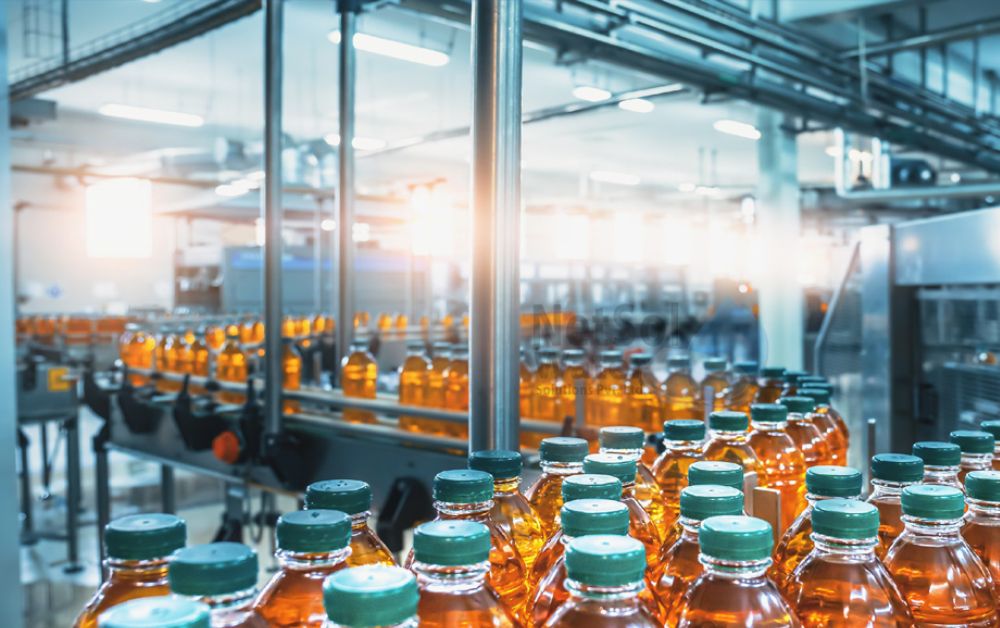
    • Beverages: Clean water is essential for bottled water, juices, sodas, and beer, where even slight impurities can affect the final taste.
    • Dairy and processed foods: Milk, yogurt, sauces, soups, & canned products all rely on treated water for safety and consistency.
    • Bakeries and confectionery: Water quality can affect dough texture and the flavor of fillings.
    • Utilities and cleaning: Boilers, cooling systems, and cleaning-in-place (CIP) units need treated water to work efficiently.

    Every step — from mixing ingredients to washing equipment — depends on reliable, clean water.

    The Bigger Picture

    Investing in proper water treatment isn’t just about meeting health standards. It’s about running a more efficient, trustworthy, & sustainable operation.

    With sound water systems in place, companies spend less on repairs, reduce waste, and ensure that all products leaving their factories meet the same level of quality. It’s also a commitment to protecting consumers — and that’s something every responsible manufacturer should value.

    Final Thoughts

    Water treatment is the foundation of food and beverage production. It keeps products safe, protects equipment, and builds consumer confidence. Without it, no factory can run smoothly for long. For reliable, high-performance water treatment systems tailored to the food and beverage sector, Tamgo Tanzania Limited provides trusted solutions, professional installation, and ongoing support — helping manufacturers in Tanzania operate safely, efficiently, & with peace of mind.

  • Troubleshooting Water Treatment Systems in Beverage Factories

    Troubleshooting Water Treatment Systems in Beverage Factories

    Water is the cornerstone of beverage production. Soft drinks and fruit juices, bottled water and beer, wine, and spirits — water plays a central role in formulation, cleaning, process-acting, and packaging. A consistent, clean, and contaminant-free water supply is required to maintain product quality and integrity. However, even with the latest water treatment systems, issues that degrade efficiency and conformance do arise. This blog explores the fundamental process of water treatment system troubleshooting in beverage facilities, gaining insight into common problems, diagnostics, and best practices for resolution—specifically applied to the Water Treatment Food and Beverage Industry.

    Introduction

    In the highly regulated Water Treatment Food and Beverage Industry, beverage facilities must have strict quality controls. Straying from water quality can affect flavor and shelf life or become a health risk. Water treatment systems are implemented to cleanse impurities, stabilize pH levels, and achieve microbiological safety. However, since they are like any complex system, they also run the risk of mechanical failure, chemical imbalance, and operational inefficiency.

    Troubleshooting such systems is necessary for compliance and to uphold brand integrity and consumer confidence. Early issue detection and proper repair can reduce downtime, waste, and lost production.

    Knowing the Elements of Water Treatment Systems

    Knowing the Elements of Water Treatment Systems

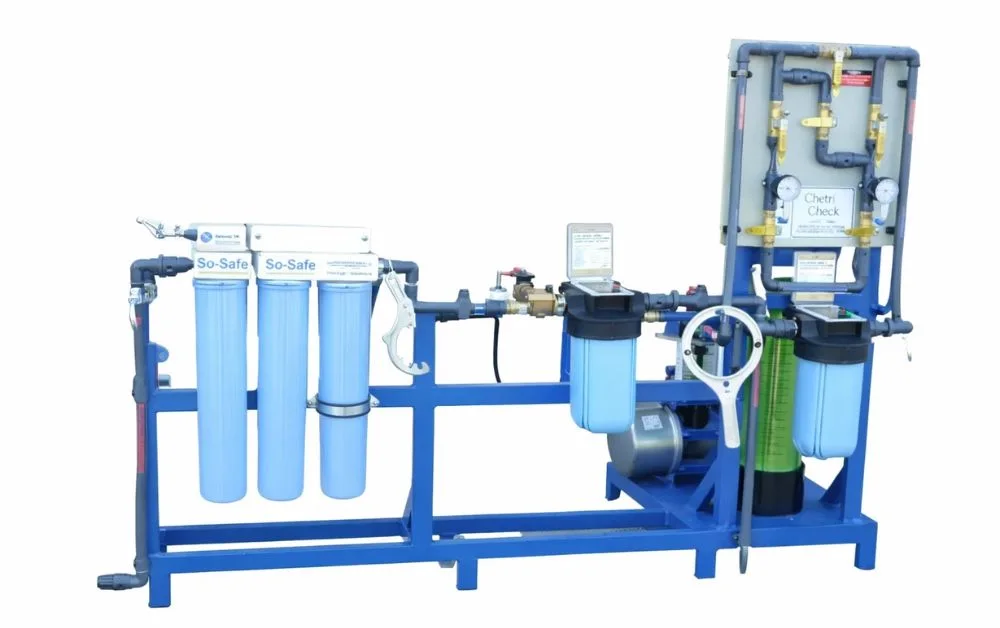
    Before troubleshooting, it is necessary to know the common elements contained in a beverage factory water treatment system:

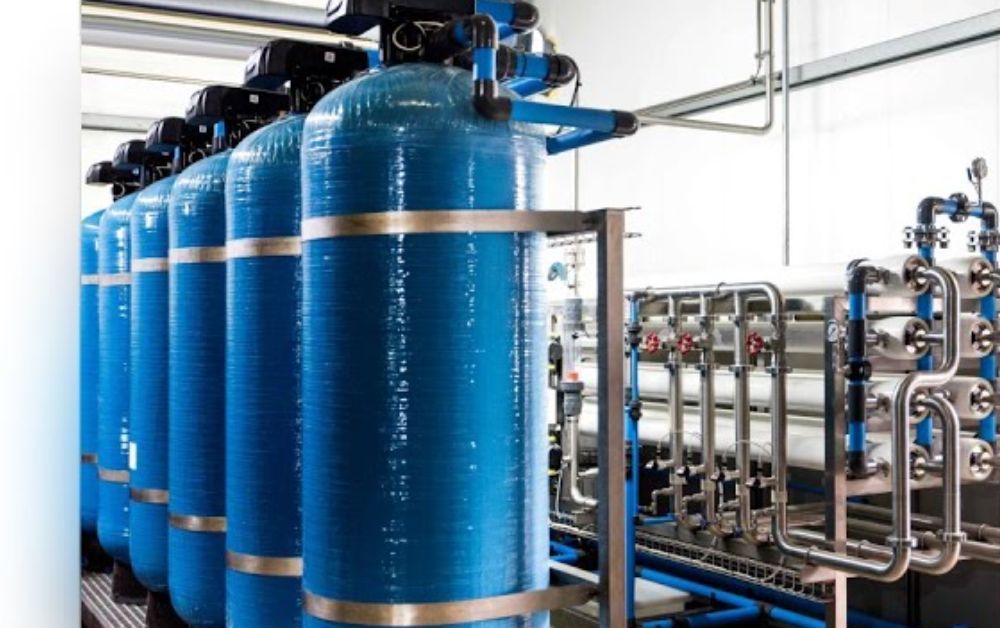
    1. Pre-treatment filters: they filter out big particulates and sediments.
    2. Activated carbon filters: minimizing chlorine, taste, and odor chemicals.
    3. The water softeners: minimize hardness because of calcium and magnesium.
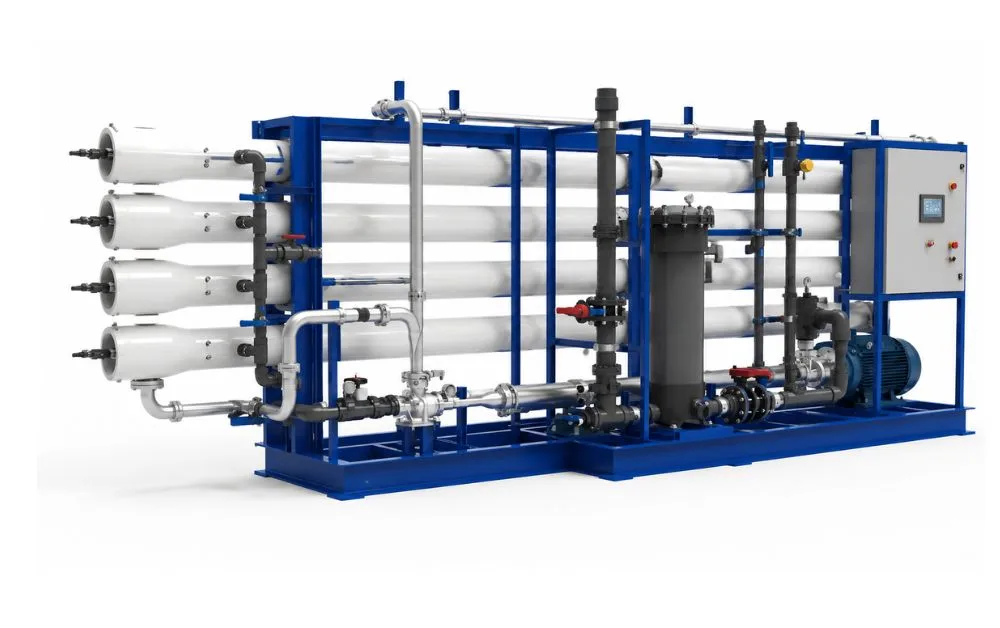
    4. Reverse osmosis (RO): minimizing dissolved solids and impurities.
    5. UV sterilization or ozone treatment: sterilizing water to kill microbes.
    6. pH adjustment systems: maintain water chemistry in balance.

    All these have a significant role in ensuring that the final water’s quality conforms to specifications.

    Common Problems in Beverage Factory Water Treatment Systems

    Troubleshooting begins by identifying the root cause of the issue. Some of the most frequent issues encountered are as follows:

    1. Taste or Odor in Water

    This is usually the first sign that something went awry. Potential causes include:

    • Used-up or flooded activated carbon filters
    • Contamination of storage tanks through bacteria
    • Excessive organics evading filtration

    Solution: Carbon filter replacement, recycling, tank cleaning, and microbial testing.

    2. Scale Deposits in Equipment

    Hard water causes scale buildup. Thus, boilers, heaters, and pipes are affected.

    • Water softeners drained or not functioning.
    • Incorrect salt regeneration cycles

    Solution: Control and modify the softener’s regeneration cycle and ensure adequate salt level and flow rates.

    3. Low Pressure on RO System

    Reverse osmosis equipment is pressure-sensitive. Culprits include:

    • Fouled membranes
    • Clogged pre-filters
    • Faulty pumps or valves

    Solution: Change RO membranes, clean or replace, and inspect pump operation as timed.

    4. Microbial Contamination

    Even after disinfection procedures, microbial contamination could arise from:

    • Ineffective ozone systems or UV lights
    • Biofilm in pipelines and tanks
    • Less frequent sanitation practices

    Solution: Frequent microbial testing, regular cleaning schedules, and frequent performance monitoring of disinfection systems.

    5. Incorrect Ph Levels

    • Water that is too acidic or alkaline affects flavor and equipment life.
    • Faulty pH sensors or dosing pumps
    • Incorrect calibration

    Solution: Periodic sensor and pump calibration and verification of chemical dosing accuracy.

    Step-by-Step Trouble Shooting Process and Best Practices

    A systematic troubleshooting process results in faster and improved solutions. The following are key steps and best practices:

    Step 1: Data Logging and Monitoring

    Capture data from flow meters, pressure gauges, pH meters, and TDS monitors on a periodic schedule. Real-time analysis allows early warning of excursions.

    Step 2: Visual Inspections

    Daily visual inspection will uncover problems like leaks, staining, or scaling. Don’t underestimate the importance of hands-on inspection.

    Step 3: Root Cause Analysis

    Use tools like fishbone diagrams or the 5 Whys technique to drill down to the root cause of the problem. Don’t treat symptoms.

    Step 4: Routine Maintenance Schedules

    Preventative maintenance is the key. Change filters, service pumps, clean tanks, and verify calibration according to manufacturer recommendations.

    Step 5: Staff Training

    Ensure operators are trained to identify abnormalities and follow standard operating procedures (SOPs) for direct containment.

    Step 6: Call in the Experts When Necessary

    Specialized problems may be resolved through outsourced consultants or OEM experts. Don’t be afraid to call experts for advanced diagnosis or upgrading.

    Long-Term Reliability Preventative Steps

    Troubleshooting is not always about fixing problems—it’s about stopping them from happening again later. Remember to keep the following steps in mind:

    • Include SCADA systems for automation and control.
    • Maintain detailed records of system performance and maintenance history.
    • Use quality consumables like filters, membranes, and reagents.
    • Regular audits will guarantee compliance with industry standards.

    Frequency review of water treatment procedures based on Water Treatment Food and Beverage Industry standards guarantees safety, efficiency, and compliance.

    Long-Term Reliability Preventative Steps

    Conclusion

    Water treatment systems are the unsung heroes of beverage production, ensuring that every bottle, can, or carton meets the quality consumers expect. But when mistakes do happen, rapid and well-educated fault diagnosis is crucial. Beverage plants can safeguard product integrity and plant effectiveness by staying knowledgeable about common problems, employing a methodical diagnostic procedure, and giving preventive maintenance high priority.

    In the Food and Beverage Water Treatment Business, the ability to troubleshoot water treatment equipment effectively can mean the difference between conducting business as usual or halting operations at a tremendous cost. With adequate equipment, training, and vigilance, factories can turn potential interruptions into opportunities for improvement and innovation.

    Whether you operate in the beverage sector, make troubleshooting a part of your proactive strategy, not an after-the-fact necessity.

  • Why Microfiltration Is a Key Water Treatment Process for Beverage Manufacturers?

    Why Microfiltration Is a Key Water Treatment Process for Beverage Manufacturers?

    Water is the basis of the beverage business. Water quality impacts the safety, flavor, and shelf life of the finished product, from carbonated beverages and bottled water to juices and flavored drinks. As consumers’ expectations for product purity and safety increase, so do regulatory requirements for beverage manufacturers. This has rendered advanced methods of water treatment not only desirable but obligatory. Of these processes, microfiltration is a significant water treatment process and one of particular interest in the water treatment food and beverage sector.

    Here, we discuss why microfiltration is vital to beverage manufacturers and how it ensures consistent product quality, efficient operations, and regulatory compliance.

    What Is Microfiltration

    What Is Microfiltration?

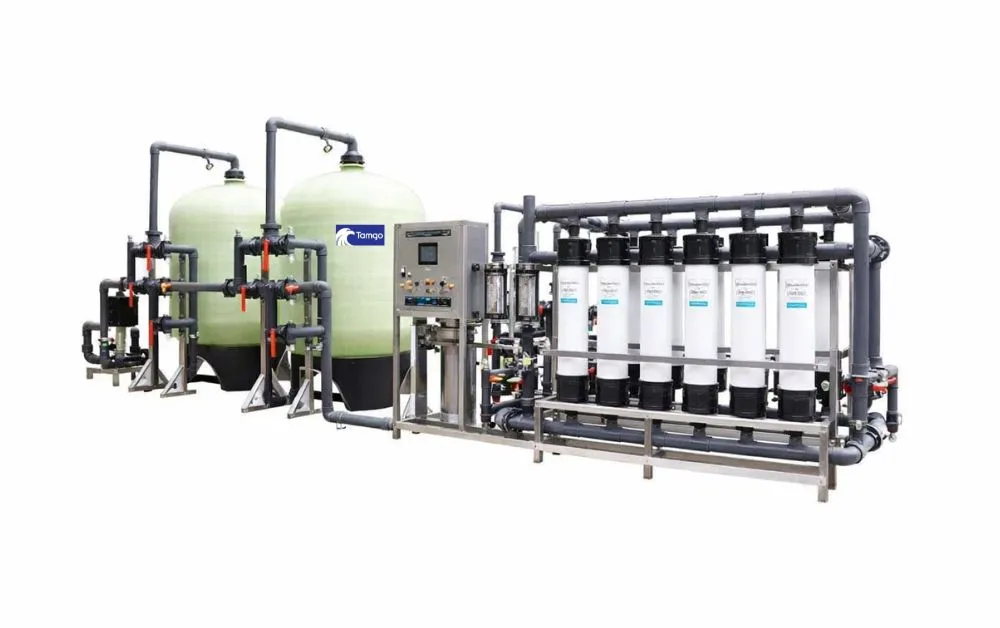
    Microfiltration (MF) is a membrane separation process that filters particles and microorganisms from liquids. Microfiltration membranes have pore sizes, usually ranging from 0.1 to 10 microns. They can thus remove suspended solids, bacteria, and certain viruses without changing the chemical composition of the water.

    Compared to other filtration techniques, such as ultrafiltration or nanofiltration, microfiltration is meant to catch bigger impurities while letting water and dissolved minerals pass. It is thus ideally suited for uses where the objective is to preserve the water’s natural taste and mineral profile and ensure it is microbiologically safe.

    The Significance of Microfiltration in Soft Drink Production

    Beverage manufacturing requires a water supply that is not only clean but also free from dangerous microorganisms and undesirable particulates. This is why microfiltration is essential to achieve this:

    1. Microbiological Safety

    One of the most significant threats in beverage production is microbial contamination. Microorganisms like Escherichia coli, Salmonella, and Pseudomonas can jeopardize product safety and lead to costly recalls. Microfiltration offers a chemical-free way of eliminating these microorganisms, making water applied in beverages microbiologically safe.

    This is especially critical in cold-fill or aseptic packaging operations, where the drink is not heat-sterilized. Here, the water should always be free from microbial contamination.

    2. Uniform Product Quality

    Consistency is paramount in the beverage market. Any deviation from water quality may result in variation in the end product’s taste, clarity, and texture. Microfiltration offers a secure means to achieve consistent, high-quality water applied in manufacturing. It eliminates particulates that have the potential to cause haze or sediment, which makes beverages clear and visually pleasing to customers.

    3. Compliance with regulations

    Regulatory agencies like the FDA and international standards organizations place strict water quality standards on beverage production. Microfiltration allows manufacturers to achieve these standards without using excessive chemical treatment. This is especially beneficial for companies wanting organic or clean-label certification.

    4. Maintaining Nutritional and Sensory Characteristics

    In contrast to other filtration systems that can leach water of vital minerals, microfiltration permits them to stay undisturbed. This is vital for bottled mineral waters and other drinks where minerals add to the taste and health value of the product. Microfiltration enables only the unwanted constituents to be removed while leaving the original taste and nutritional content intact.

    5. Environmental and Cost Benefits

    Since microfiltration is a physical process, it uses fewer chemicals than conventional water treatment processes. This not only saves operational expenses but also reduces environmental footprint, which aligns with sustainability objectives. Microfiltration systems are also frequently modular and scalable, which makes them ideal for plants of any size.

    Applications of Microfiltration in the Beverage Industry

    Microfiltration is applied at different stages of beverage manufacturing:

    • Ingredient Water Treatment: Water purification is required before it can be blended with other ingredients. Microfiltration is used to purify such water and remove contaminants.
    • Bottled Water Production: Most bottled water companies apply microfiltration to gain clarity and safety without changing the natural mineral content.
    • Flavor and Syrup Filtration: Microfiltration is applied during the production of syrups and flavors to eliminate impurities that could impact product stability and flavor.
    • Equipment Rinse Water: Rinse water for bottles, tanks, and pipes, which also receive treatment through microfiltration to avoid re-contamination of clean surfaces.

    Such applications highlight how pervasive microfiltration is in ensuring hygiene, flavor, and regulatory levels.

    Role of Microfiltration in the Water Treatment Food and Beverage Industry

    The food and beverage water treatment industry includes an array of technologies to refine water to tight quality and safety requirements. Microfiltration occupies a distinguished position in this network because it can provide high performance while leaving a low environmental impact.

    It fills the niche between simple filtration and more severe processes such as reverse osmosis, providing a cost-effective first line of defense against particulate and microbial contamination. Manufacturers of beverages that incorporate microfiltration into their water treatment processes enjoy improved control over water quality, longer shelf life of products, and increased brand confidence.

    Role of Microfiltration in the Water Treatment Food and Beverage Industry

    Conclusion

    In the continuously changing world of beverage manufacturing, safety and quality are not to be compromised. Microfiltration is a significant water treatment process because it offers a reliable, chemical-free process of eliminating undesired particles and microorganisms from water without modifying its critical properties.

    Microfiltration is a wise investment for producers wanting to meet industry standards, satisfy customers, and maintain sustainability values. Within the water treatment food and beverage industry, it has become a foundation technology that facilitates operational excellence and consumer satisfaction in equal measure.

    By adopting microfiltration, drink manufacturers enhance their product integrity and place themselves at the leading edge of innovation and responsibility in a competitive market.