Category: Industrial Water Treatment Solutions

  • Industrial Water Treatment Solutions for Modern Industries

    Industrial Water Treatment Solutions for Modern Industries

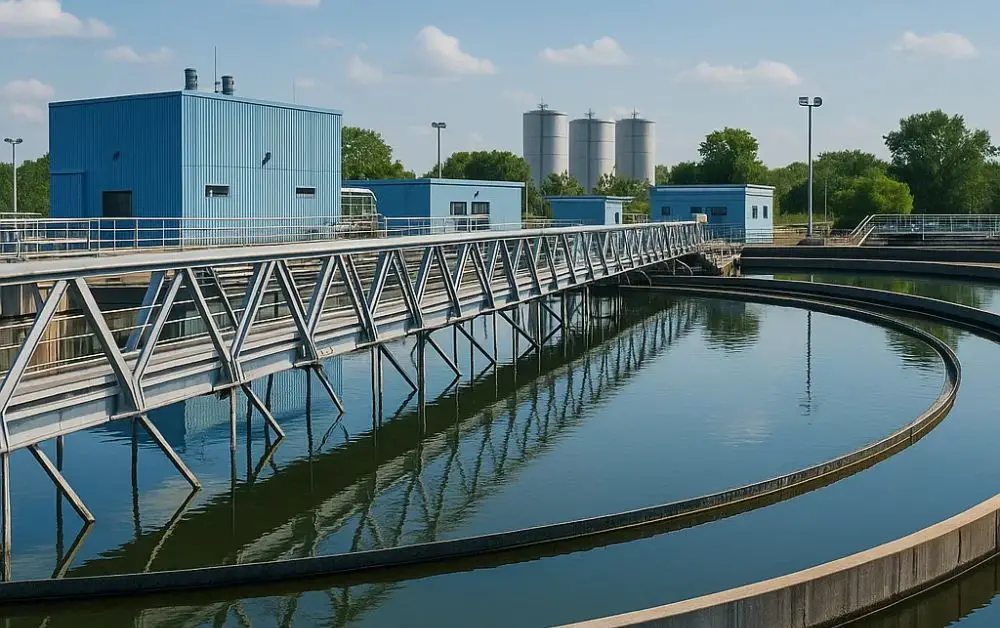
    the nature of the wastewater — its pH, suspended solids content, biochemical oxygen demand, chemical oxygen demand, oil and grease content, and specific contaminants including heavy metals, pesticides, and industrial chemicals. Biological treatment processes are effective for organic wastewater streams from food processing and similar applications. Chemical precipitation removes dissolved heavy metals and phosphorus. Dissolved air flotation removes oils and suspended solids. And physical processes including sedimentation and sand filtration remove suspended solids. TAMGO designs integrated wastewater treatment solutions.
    Water Recycling and Zero Liquid Discharge Approaches

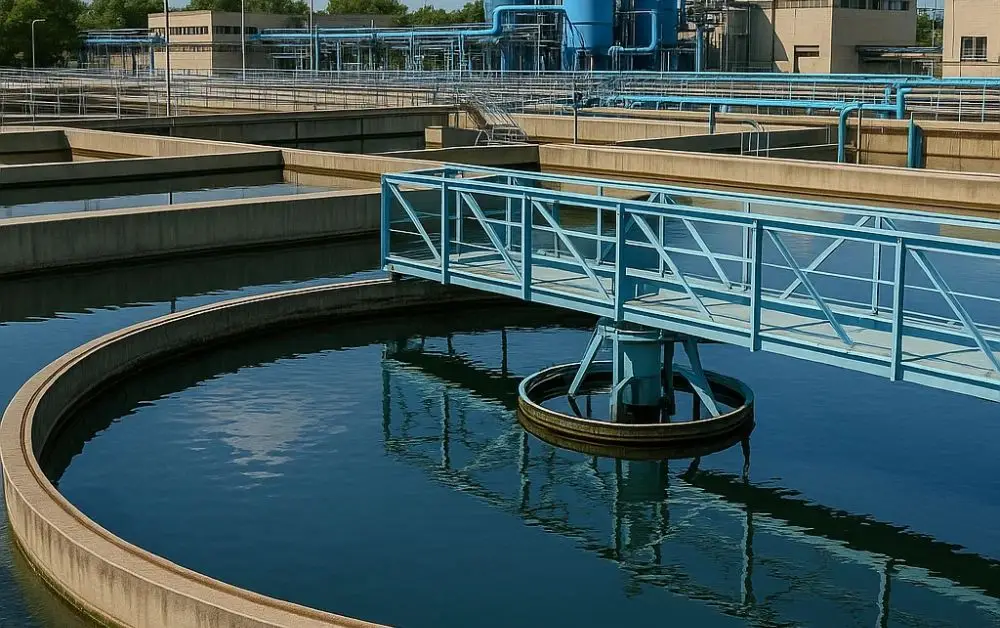
    Water scarcity and the cost of water supply make industrial water recycling an increasingly important aspect of sustainable industrial operation in Tanzania. By treating and recycling process water within the facility — rather than treating wastewater to discharge standards and simultaneously purchasing fresh water for new process uses — industries can significantly reduce both their water consumption and their wastewater discharge volumes. Zero liquid discharge (ZLD) approaches — where all wastewater is treated and recycled with no effluent discharge — represent the most comprehensive water recycling strategy, though they require sophisticated treatment technology and Modern industrial operations — spanning manufacturing, mining, power generation, food processing, and chemical production — depend on water of specific quality for their processes, and generate wastewater that must be responsibly managed before discharge. Professional industrial water treatment solutions address both the supply of quality process water and the management of process effluent — creating a comprehensive approach to water management that enables industrial operations to be both productive and environmentally responsible. Industrial water filtration systems and wastewater treatment solutions from TAMGO support Tanzania growing industrial sector with the water management capability needed for sustainable industrial development.

    Process Water Quality Requirements for Manufacturing

    Manufacturing facilities use water for a wide range of process applications — cooling, steam generation, parts washing, surface treatment, rinsing, and as a direct process ingredient — each with specific water quality requirements that must be met for the process to function effectively and the product to meet quality standards. Cooling tower makeup water must have controlled hardness and biological quality to prevent scale formation and microbial fouling in cooling systems that reduce heat transfer efficiency. Boiler feed water requires very low hardness and controlled dissolved oxygen and carbon dioxide content to prevent scale and corrosion in boiler systems. And direct product contact water must meet food-grade or pharmaceutical-grade standards where human health is involved. TAMGO designs water treatment systems that meet all of these varied requirements.

    Industrial Water Filtration Technologies in Use

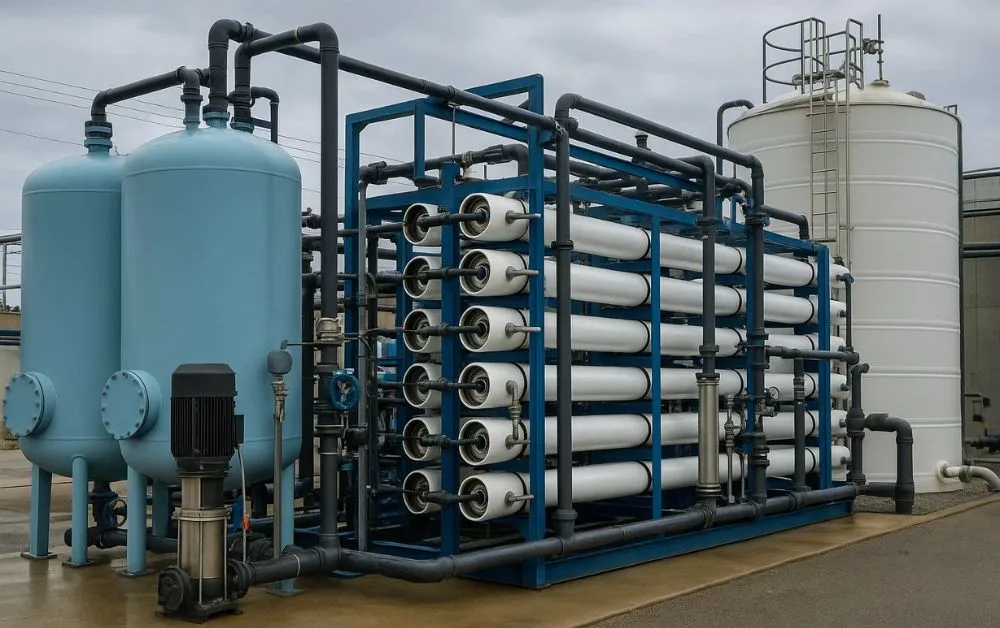
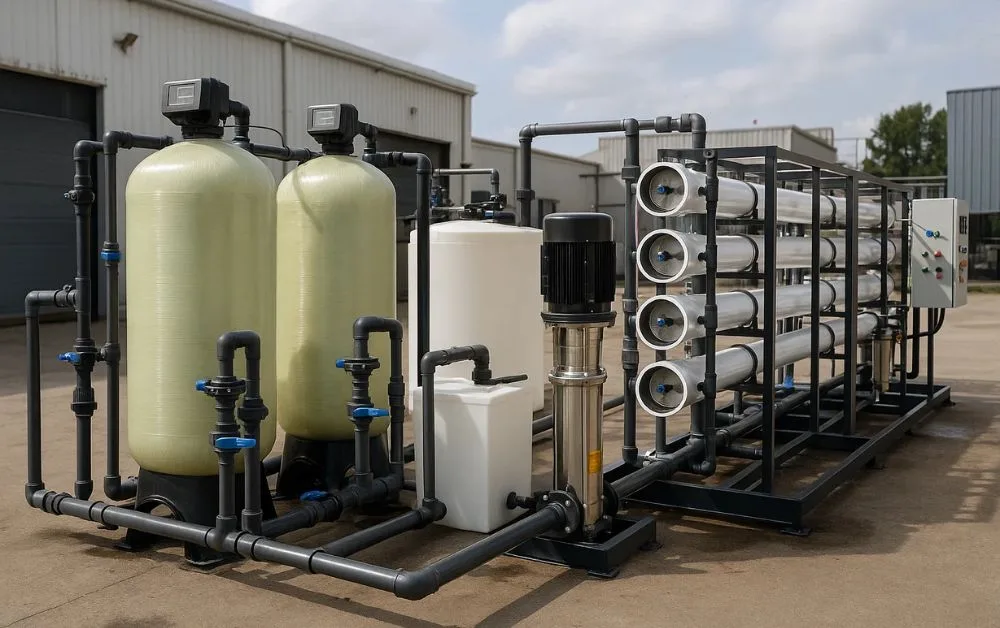
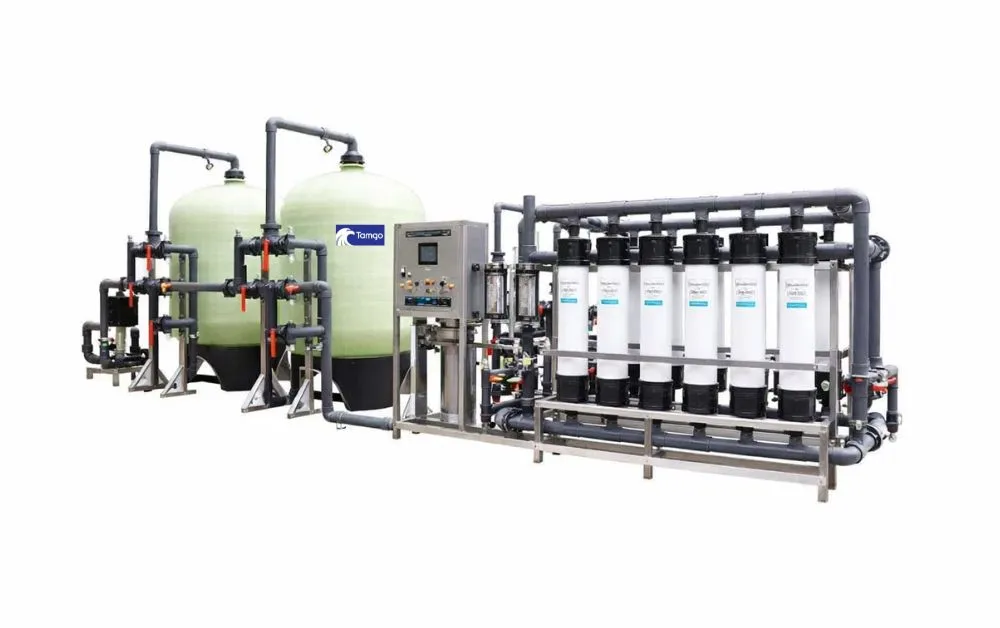
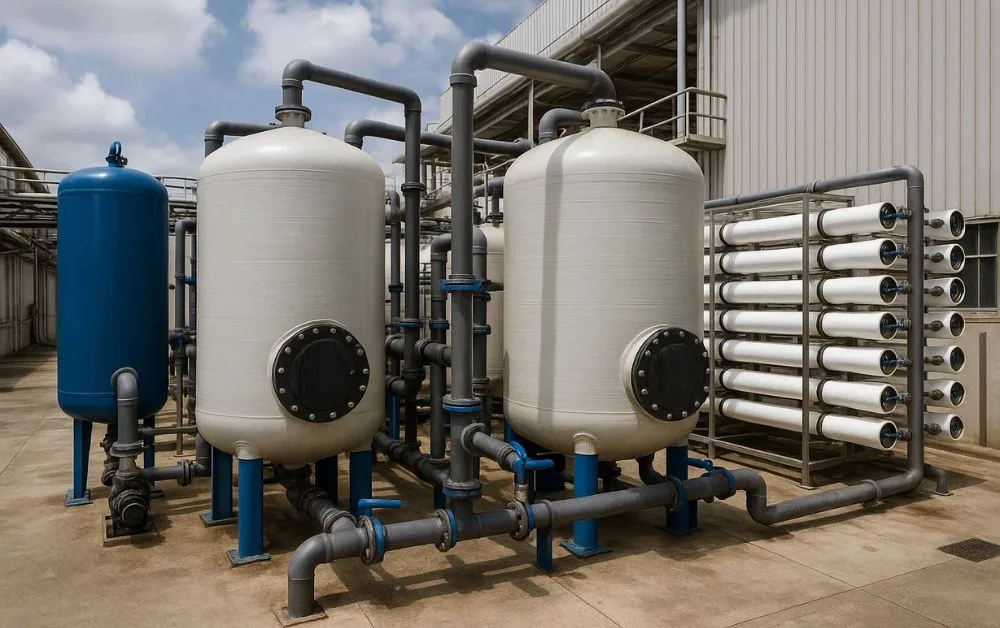
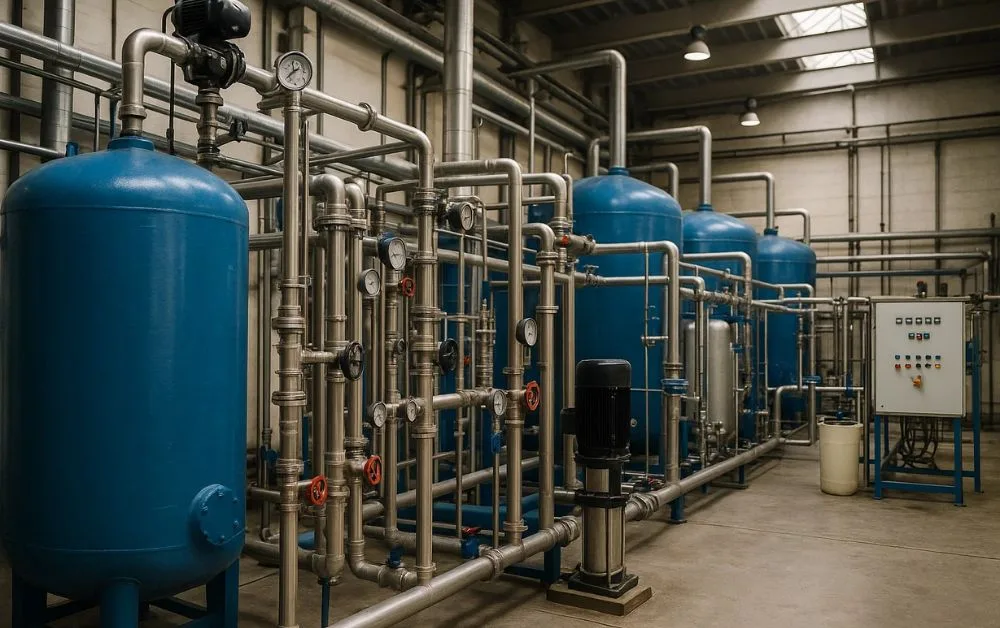
    The first stage of most industrial water treatment processes is filtration to remove suspended particulate matter that would otherwise foul downstream treatment components and reduce the life of process equipment. Industrial water filtration systems use various technologies depending on the particle size range to be removed and the required filtration efficiency. Multimedia filtration — using layers of gravel, sand, and anthracite — removes particles in the range of 5 to 50 microns. Ultrafiltration membrane systems achieve finer filtration to 0.01-0.1 microns — removing bacteria, viruses, and colloidal material. Microfiltration addresses intermediate particle sizes. And cartridge filtration provides final polishing before sensitive downstream equipment including reverse osmosis membranes. TAMGO designs filtration system configurations appropriate for each application.

    Also Read-The Role of Water Treatment in Enhancing Manufacturing Efficiency

    Wastewater Treatment for Discharge Compliance

    Industries in Tanzania must treat their process wastewater to comply with the National Environment Management Council (NEMC) discharge standards before releasing effluent to public sewers or surface water bodies. The treatment processes required depend on significant capital investment. TAMGO designs water treatment and recycling systems across the spectrum from partial recycling to complete ZLD approaches.

    Monitoring, Control, and Automation Systems

    Industrial water treatment systems must operate reliably 24 hours a day, often with limited direct operator attention during night shifts and weekends. Automated monitoring and control systems — measuring key water quality parameters including pH, conductivity, turbidity, dissolved oxygen, and specific contaminants using online analyzers — adjust treatment processes automatically to maintain consistent output water quality regardless of variations in source water quality or flow rate. Alarm systems alert operators when parameters deviate from acceptable ranges requiring intervention. Data logging records operating parameters over time for process optimization and compliance demonstration. TAMGO integrates appropriate automation and monitoring into all industrial water treatment solutions.

    Industrial energy recovery from wastewater is an increasingly important aspect of sustainable industrial water management in Tanzania. Organic-rich wastewater from food processing, brewing, and similar industries can be treated using anaerobic digestion — a biological process that converts organic matter into biogas (primarily methane) that can be used for energy generation or process heating. This approach simultaneously treats the wastewater to reduce its organic content, meeting NEMC discharge requirements, and generates useful energy that offsets the facility energy consumption. TAMGO evaluates the potential for energy recovery from industrial wastewater streams as part of comprehensive wastewater treatment solution design.
    Conclusion

    Comprehensive industrial water treatment solutions from TAMGO enable Tanzania industries to access the process water quality they need and manage their wastewater responsibly. From advanced industrial water filtration systems for process water production to complete wastewater treatment solutions for discharge compliance, TAMGO provides the engineering expertise and quality technology that modern industries require. Contact TAMGO today for industrial water treatment consultation in Tanzania.
  • The Role of Water Treatment in Enhancing Manufacturing Efficiency

    The Role of Water Treatment in Enhancing Manufacturing Efficiency

    Water is one of the most vital resources in manufacturing. Whether it is used for cooling, cleaning, chemical reactions, or product formulation, water directly affects product quality, equipment performance, & overall operational efficiency. However, if left untreated, water can cause serious problems — from scaling and corrosion to product contamination and costly downtime.

    That’s why modern manufacturers are turning to advanced water treatment systems to improve reliability, cut costs, and meet environmental regulations. By maintaining optimal water quality, companies can achieve smoother operations, greater product consistency, & long-term sustainability.

    Ensuring Consistent Product Quality

    Water quality directly impacts the quality of what you produce. Impurities such as minerals, bacteria, or suspended solids can easily disrupt manufacturing processes, especially in sensitive industries like pharmaceuticals, food and beverage, & electronics. Even slight variations in water purity can lead to defective products or contamination.

    Effective water treatment eliminates these risks by removing unwanted elements and delivering clean, high-quality water that meets specific production requirements. This consistency leads to uniform products, fewer reworks, and reduced waste — all of which strengthen your brand’s reputation and customer trust.

    Improving Energy Efficiency

    Energy efficiency and water quality go hand in hand. When impurities accumulate in boilers, cooling towers, or heat exchangers, they reduce heat transfer efficiency and force the system to work harder. That translates into higher energy bills & unnecessary strain on equipment.

    Clean, treated water aids systems operate at peak performance. By minimizing scaling and deposits, manufacturers can lower energy consumption, cut operational costs, & reduce their environmental footprint. Pairing proper water treatment with energy management strategies can deliver substantial savings over time.

    Protecting Equipment and Reducing Maintenance Costs

    When machinery runs on untreated water, it becomes vulnerable to scaling, corrosion, and mineral buildup. Over time, calcium & magnesium deposits can clog pipes, reduce heat transfer, & wear out key components. This not only shortens equipment lifespan but also increases maintenance costs & production interruptions.

    Water treatment systems prevent these problems by filtering out minerals and contaminants before they reach your equipment. As a result, machinery operates more efficiently, requires less maintenance, and lasts longer — saving money and minimizing unplanned downtime.

    Supporting Regulatory Compliance

    Environmental and safety regulations are becoming stricter worldwide, and Tanzania is no exception. Manufacturers are expected to treat their water responsibly before discharge to avoid pollution & protect local ecosystems.

    Industrial water treatment solutions ensure compliance by removing contaminants, neutralizing chemicals, and appropriately treating wastewater before release. Meeting these standards not only prevents fines and legal issues but also demonstrates a company’s commitment to sustainable and ethical business practices — something customers and investors increasingly value.

    Facilitating Process Optimization

    Every manufacturing process has unique water quality requirements. For example, certain chemical reactions or cooling applications demand specific pH levels or hardness levels. Advanced water treatment allows manufacturers to tailor water properties precisely to these needs.

    Beyond that, treated water can be reused for secondary processes like cleaning or cooling, reducing overall water consumption & cutting operational costs. These practices support both process optimization and sustainability, allowing factories to do more with less.

    Reducing Environmental Impact

    Untreated water can carry harmful substances — from heavy metals to chemicals — that pollute rivers and soil when discharged. By installing effective water treatment systems, manufacturers can minimize pollution, recycle water, & drastically decrease their environmental footprint.

    Sustainable water management not only protects the environment but also strengthens a company’s reputation. Today, many customers and partners prefer working with environmentally responsible brands — and responsible water use is a key part of that image.

    Related read:-How Do Industrial Water Treatment Solutions Improve Energy Efficiency?

    Enhancing Operational Reliability

    Production reliability depends on consistent water quality. Issues like scaling, fouling, or bacterial growth can cause unexpected equipment failures and production stoppages.

    With proper water treatment, manufacturers can rely on a stable and high-quality water supply that meets process requirements at all times. This reduces downtime, improves worker productivity, and ensures steady output — keeping operations on track and deadlines intact.

    Achieving Long-Term Cost Savings

    While installing a water treatment system requires upfront investment, the long-term returns are substantial. Treated water prevents costly repairs, reduces energy consumption, lowers waste disposal fees, & ensures compliance — all of which translate to significant operational savings.

    Manufacturers that prioritize water management typically enjoy lower total operating costs, better efficiency, and improved profitability. Over time, the system pays for itself through reduced expenses and improved performance.

    Promoting Smarter Water Resource Management

    As water scarcity becomes a growing global concern, industries are under pressure to use water more responsibly. Modern treatment systems help manufacturers monitor, manage, and recycle water effectively.

    By reusing treated water for non-critical tasks such as washing, cooling, or irrigation, companies can significantly reduce their freshwater demand. This not only supports environmental conservation but also shields businesses from future water shortages & rising supply costs.

    In Conclusion

    Water treatment is far more than a maintenance step — it is a strategic investment that drives efficiency, reliability, & sustainability in manufacturing. From improving product quality and equipment longevity to reducing energy use and ensuring compliance, treated water aids manufacturers operate smarter & more competitively.

    For businesses seeking dependable & efficient water treatment systems in Tanzania, TAMGO Tanzania Limited gives custom-made industrial solutions that enhance process performance, reduce costs, & support long-term operational success.

  • How Do Industrial Water Treatment Solutions Improve Energy Efficiency?

    How Do Industrial Water Treatment Solutions Improve Energy Efficiency?

    In today’s industrial landscape, energy efficiency is not just a cost-saving measure—it is a critical component of sustainable operations. Many industries rely heavily on water for processes like cooling, cleaning, and manufacturing. However, inefficient water management can lead to excessive energy consumption, increased operational costs, & environmental strain. This is where industrial water treatment solutions play a vital role. These systems are designed not only to purify & recycle water but also to enhance energy efficiency across industrial operations.

    Understanding the Link Between Water Treatment and Energy Efficiency

    Water treatment and energy use are closely linked in industrial settings. Treating water needs energy, whether for pumping, filtration, or chemical processing. At the same time, untreated or poorly managed water can cause inefficiencies in industrial equipment, leading to higher energy consumption. Water treatment solutions help optimize water quality, which in turn reduces energy use.

    For example, scaling and corrosion in heat exchangers or boilers, caused by impurities in untreated water, can reduce heat transfer efficiency and force equipment to consume more energy to achieve the same output. Proper water treatment prevents these issues, maintaining operational efficiency and conserving energy.

    Key Ways Water Treatment Solutions Improve Energy Efficiency

    Save Cost on Boilers and Cooling Systems by Minimizing Energy Loss

    Large energy use is common in many industries. Scale, or biofilm, can accumulate on surfaces and decrease the efficiency of heat transfer due to impurities in the water, like minerals and suspended solids. These impurities can be removed through water treatment methods, including filtration, chemical treatment, and deionization. In this way, heat transfer surfaces are kept clean, resulting in minimal energy loss and maximum efficiency.

    Optimizing Pump Operations

    Pumps are employed to move water through industrial installations. Most pumps, however, must work harder when water contains solids or debris (by raising and separating), which makes them more energy-intensive. Treatment solutions that remove these impurities enable pumps to function at peak performance, resulting in lower energy and reduced wear on the equipment.

    Enabling Water Recycling and Reuse

    Recycling treated water is one of the most efficient ways that industries can reduce their water consumption. Water treatments help return water to service for cooling, cleaning, or other uses. The demand for continuously pumping and treating fresh water is significantly reduced by the treatment of recycled water, which also reduces the energy required to heat, cool, and convey water from fresh water sources.

    Enhancing Chemical Treatment Efficiency

    A variety of chemicals are introduced into water across industries to prevent corrosion, scaling, and microorganism growth. Water treatment facilities can ensure that the correct amount of added chemicals for water treatment is achieved through precision-based measurement and control of water quality in real-time. The more they focus on using chemicals properly, the less energy-consuming the patches and the longer all their equipment lasts.

    Integrating Automated Monitoring Systems

    Sensors and automatic controls that maintain water quality parameters (pH, TDS, or turbidity) are also frequently associated with modern treatment systems. Automation exacts precise modifications to treatment protocols, minimizing excessive energy consumption and ensuring systems run as efficiently as possible, without human error.

    Environmental and Economic Benefits

    Energy efficiency with the help of pretreatment solutions offers plenty of advantages:

    • Cost-Effective: The less energy consumed, the lower the operating cost of the LED. Not only does treating water extend the life of boilers, pumps, and cooling towers, but it also decreases maintenance costs on these items.
    • Sustainability: Efficient water and energy management helps reduce greenhouse gas emissions and minimize environmental impact. Recycling water decreases freshwater consumption, conserving resources.
    • Compliance: The vast majority of industries face stringent environmental compliance requirements. Water treatment solutions help keep you in compliance while reducing costly, energy-consuming remedial actions.
    • Operational Dependability: Pure and treated water ensures the high availability of industrial installations and prevents energy peaks, such as when equipment is clogged or does not function as designed.

    Related read:-The Role of Water Treatment in Enhancing Manufacturing Efficiency

    Real-World Applications

    Water treatment applications span different industries as follows:

    • Power Plants: Boilers and cooling systems utilize clean water for optimal efficiency, thereby avoiding wasted energy.
    • Manufacturing Plants: Clean water prevents scale and corrosion in equipment, which can significantly reduce energy costs.
    • Foods and Beverages: As more producers source increasingly energy-intensive water, the need for purification equipment to maintain hygiene is growing.
    • The chemical and Pharmaceutical Industries: Optimized water treatment prevents contamination and energy loss in sensitive processes.

    In both cases, these measures have a direct benefit to energy efficiency, system reliability, and environmental footprint.

    Choosing the Right Industrial Water Treatment Solution

    Selecting the appropriate solution depends on factors such as water source, industry type, volume of water used, and energy goals. Modern systems offer a range of technologies, including reverse osmosis, ultrafiltration, ion exchange, and automated monitoring. When implemented correctly, water treatment solutions not only purify water but also create measurable energy savings over time.

    In Conclusion

    Water treatment solutions are far more than water purification systems—they are critical tools for improving energy efficiency in industrial operations. By preventing scaling, optimizing pump operations, enabling water recycling, and integrating automated monitoring, these solutions reduce energy consumption, lower operational costs, & promote sustainability. Industries that implement these systems benefit from both financial savings and environmental compliance.

    For companies in Tanzania seeking reliable & efficient industrial water treatment solutions, Tamgo Tanzania Limited provides tailored systems designed to optimize water quality and energy efficiency, ensuring sustainable and cost-effective operations.