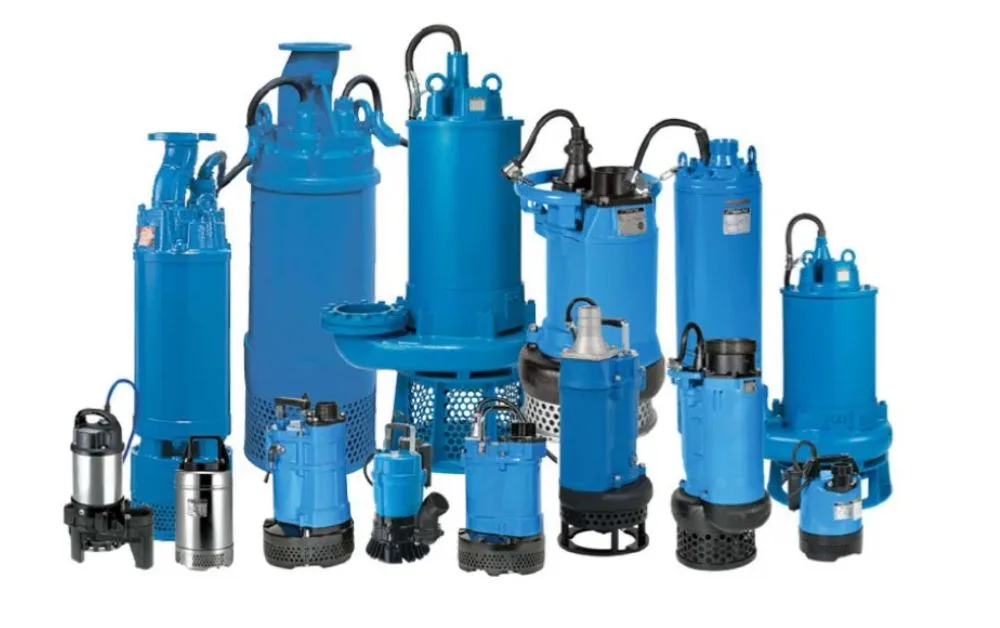
Water pumping systems underpin the operational capability of Tanzania’s commercial, industrial, agricultural, and municipal infrastructure — supplying domestic water from boreholes, circulating cooling water in industrial processes, boosting distribution pressure in commercial buildings, and irrigating agricultural land that drives the national economy. The reliability and efficiency of these pumping systems directly determines operational continuity and energy cost across the full range of applications they serve. Partnering with a reliable Commercial Pumps supplier in tanzania who provides quality equipment appropriate for specific applications, backed by local service and spare parts support, is one of the most consequential infrastructure procurement decisions Tanzania facility managers and project engineers make.
Borehole and Submersible Pump Selection
Borehole water supply is the primary water source for commercial, agricultural, and institutional facilities across vast areas of Tanzania where municipal water supply is absent, intermittent, or of inadequate quality. Selecting the correct submersible borehole pump requires accurate data on the borehole diameter, borehole yield at pumping water level, required delivery flow rate at the storage tank or distribution system, and the total dynamic head from pumping water level to the highest point of delivery. Under-selecting pump capacity relative to demand creates supply shortfalls; over-selecting relative to borehole yield risks drawing the borehole down below the pump intake, causing dry running that overheats and destroys submersible motor windings. Professional pump selection based on borehole test data and hydraulic design calculations protects both the pump investment and the borehole infrastructure it serves.
Booster Pump Sets for Commercial Buildings
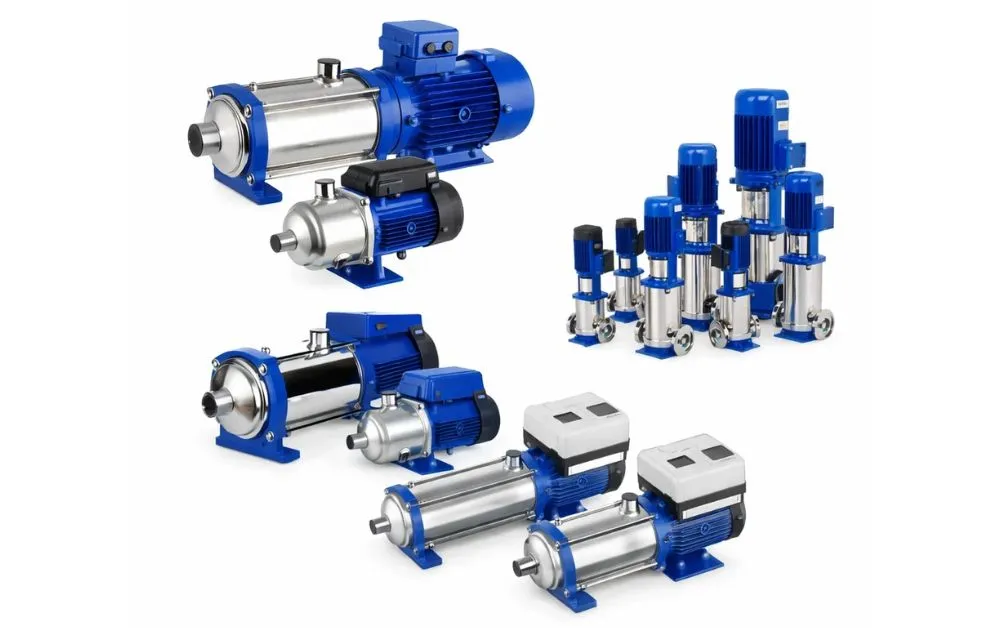
Tanzania’s growing commercial property sector — hotels, apartment complexes, office buildings, and institutional campuses in Dar es Salaam, Arusha, Mwanza, and other major centres — requires booster commercial pump systems to maintain adequate water pressure throughout building distribution networks from utility connections or ground-floor storage tanks. Variable speed booster pump sets using VFD-controlled motors are the current standard specification for new commercial building installations — they maintain constant delivery pressure regardless of instantaneous demand variation by continuously adjusting pump speed to match output to demand, consuming only the energy required for the actual flow being delivered. This variable speed operation typically reduces energy consumption by 30 to 50 percent compared to fixed-speed booster sets with pressure vessel and on-off control cycling, delivering meaningful operating cost savings over the pump system’s long service life.
Explore more-A Beginner’s Guide to Commercial Pump Systems
Agricultural and Irrigation Pumps
Tanzania’s agricultural sector depends heavily on supplementary irrigation to extend productive seasons beyond the biannual rainfall pattern and to improve yields in areas with inadequate or unpredictable natural rainfall. The range of irrigation pump requirements spans from small, manually portable petrol-engine pumps serving smallholder plots to large electric submersible or horizontal centrifugal pump systems serving commercial irrigation schemes covering hundreds of hectares. Solar-powered irrigation pumps — combining photovoltaic generation with DC or AC submersible or surface pumps — are increasingly deployed for drip and micro-sprinkler irrigation schemes where the daily pumping profile aligns effectively with available solar generation hours, delivering irrigation water delivery at zero fuel cost after the initial capital investment.
After-Sales Service Across Tanzania’s Geography
Tanzania’s geography — spanning 945,000 square kilometres with significant commercial and agricultural activity in locations hours from the major cities — makes after-sales service capability a primary supplier evaluation criterion for any commercially critical pumping installation. A pump failure affecting building water supply in a remote lodge, irrigation availability on a commercial farm, or industrial process cooling in a mineral processing facility creates immediate operational impact that extends for days or weeks if service response is slow and spare parts must be imported. Prioritise commercial pump suppliers with established Tanzania service networks, qualified field engineers capable of responding across the country’s diverse geography, and locally stocked critical spare parts that enable same-week repair of common pump faults without waiting for international parts shipment.
Evaluating Commercial Pump Suppliers in Tanzania
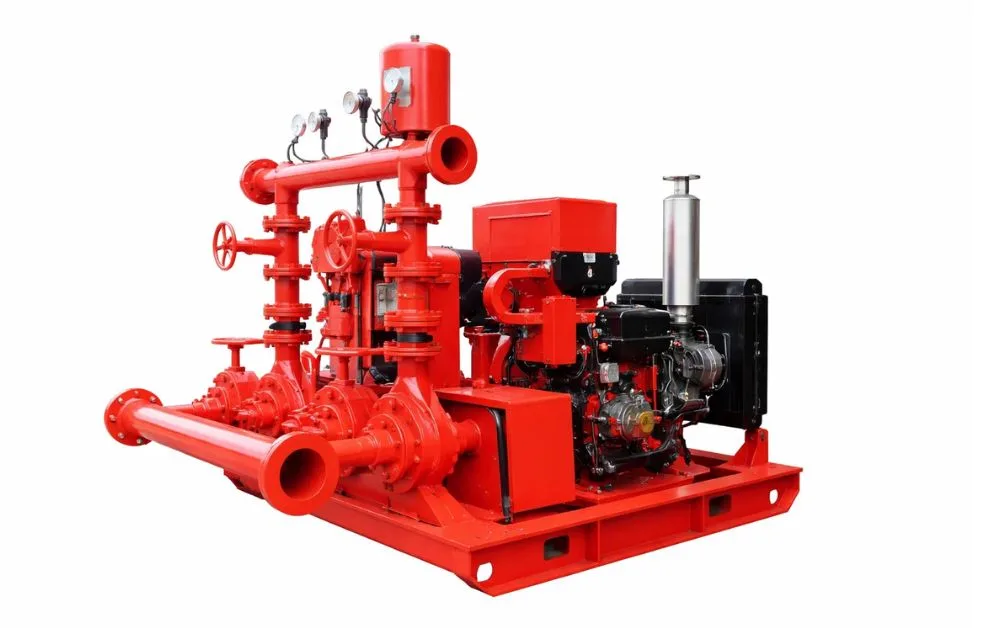
Assess Tanzania commercial pump suppliers across five dimensions: the breadth and quality of their product range — do they carry pumps appropriate for your specific application across the relevant capacity and head range from quality manufacturers? Their technical capability — can their engineers conduct proper hydraulic design and specify correctly for your application conditions? Their local service infrastructure — do they have qualified field engineers and local spare parts stock in your region? Their track record — can they provide references from similar installations that have operated successfully for multiple years? And their transparency on total cost of ownership — are they helping you understand the full operational cost of the specification they recommend, including energy consumption, maintenance cost, and expected service life?
Leave a Reply