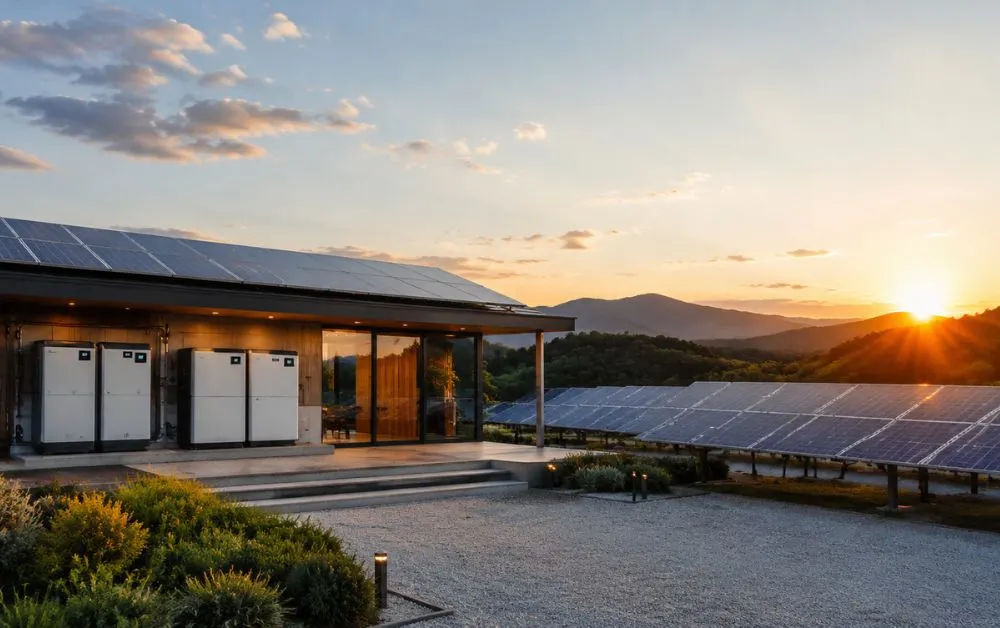
Tanzania’s energy landscape is undergoing its most significant transformation in decades, with solar photovoltaic technology rapidly establishing itself as the most cost-effective, scalable, and accessible power solution for the country’s commercial, industrial, and institutional sectors. For businesses and organisations seeking reliable, affordable energy independence from Tanzania’s grid infrastructure — which reaches only a fraction of the national geography and remains subject to outages even in connected areas — quality Solar Power Solutions In Tanzania represent not merely an environmental preference but a genuinely transformative infrastructure investment with compelling financial returns.
Tanzania’s Solar Resource: An Exceptional Foundation
Tanzania’s geographic position near the equator — spanning latitudes of approximately 1 to 11 degrees south — provides some of the most consistent and abundant solar radiation resources on the African continent. Average daily solar irradiance across most of Tanzania ranges from 4.5 to 6.5 peak sun hours per day, with relatively modest seasonal variation compared to higher-latitude solar markets. The northern regions around Arusha and Kilimanjaro, the Lake Zone, and the drier central plateau consistently deliver solar resources that rank among the best commercially exploitable solar environments globally. This exceptional resource means that photovoltaic systems in Tanzania generate electricity reliably and at competitive cost throughout the year — a foundational advantage that makes solar the rational energy choice across an exceptionally broad range of commercial and institutional applications.
Commercial Applications Where Solar Delivers Maximum Value
Solar power solutions deliver their strongest financial returns for Tanzania commercial operations with consistent and substantial daytime electricity consumption. Manufacturing facilities and agri-processing operations running day shifts generate electricity costs that solar can directly displace during production hours — delivering energy savings from the first day of operation. Hotels, lodges, and tourism properties with high air conditioning loads during daylight hours can dramatically reduce their diesel generation dependency through well-sized solar installations that serve the bulk of daytime cooling demand. Telecommunications infrastructure across Tanzania’s vast rural geography depends on reliable power at sites where grid connection would require expensive line extension — solar-powered telecom sites represent some of the most economically compelling solar applications in the country. Schools, hospitals, and institutional facilities with predictable daytime demand profiles generate reliable solar returns that are increasingly attracting government and development finance support.
Read more-Top Benefits of Using Solar Power Solutions for Your Property
System Architecture for Tanzania Commercial Applications
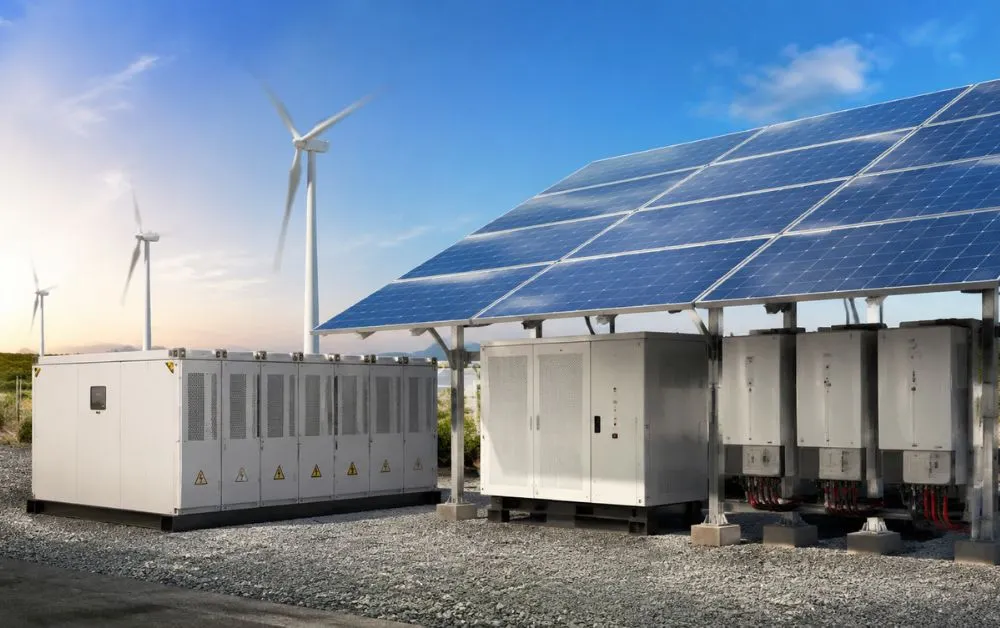
A complete commercial solar power installation in Tanzania comprises several integrated components that must be specified and configured as a coherent system. Solar panels — typically monocrystalline for the best efficiency-to-cost ratio at current pricing — generate DC electricity during daylight hours in proportion to available irradiance. Grid-tied inverters convert this DC output to AC electricity at the grid-compatible frequency and voltage, either feeding the building’s electrical distribution system directly or exporting excess generation to the utility grid in grid-connected applications. Battery storage systems — increasingly using lithium iron phosphate chemistry for commercial applications due to its long cycle life, safety characteristics, and consistent discharge performance — store excess daytime generation for use during morning and evening peak demand periods and during grid outages. A well-designed system management controller coordinates power flow between generation, storage, grid, and load to minimise grid electricity import cost while maintaining reliable supply continuity.
Return on Investment: The Financial Case for Tanzania Solar
The financial case for commercial solar investment in Tanzania has strengthened considerably over the past five years as solar panel and battery costs have declined dramatically while Tanzania electricity tariffs have increased. For a typical commercial solar installation displacing diesel-generated electricity — at fuel costs of TZS 2,500 to 3,500 per litre and a diesel generator efficiency of approximately 3 to 3.5 kWh per litre — the cost of solar-generated electricity is typically 60 to 80 percent lower than the diesel equivalent across the system’s operational life. Even for operations served by TANESCO grid power, the combination of relatively high commercial electricity tariffs and declining solar installation costs produces payback periods of three to five years for well-specified systems, with accumulated energy cost savings of five to eight times the initial capital investment across the system’s 25-year design life.
Selecting a Tanzania Solar Power System Supplier
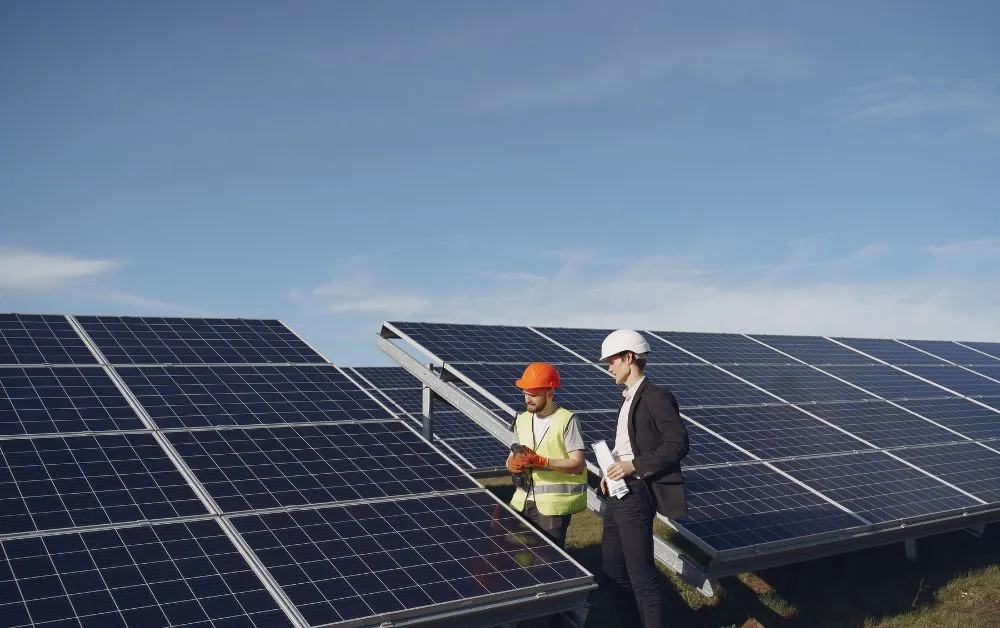
The quality of the solar installation outcome is as dependent on the installer’s capability as on the equipment quality. A capable Tanzania solar power system supplier conducts a thorough energy consumption assessment before system design — reviewing electricity bills, understanding the business’s operational hours and load profile, and identifying the consumption patterns that the solar system should address. Technical design quality — appropriate panel tilt angle for Tanzania’s latitude, optimal string configuration for the selected inverter, correct cable sizing for minimum losses, and adequate protection coordination — determines the system’s actual energy production relative to its theoretical potential. Physical installation quality — secure structural mounting that withstands Tanzania’s wind and rain loads, weatherproof electrical connections, and neat cable management — determines how the system holds up over 25 years of continuous outdoor service.
Leave a Reply