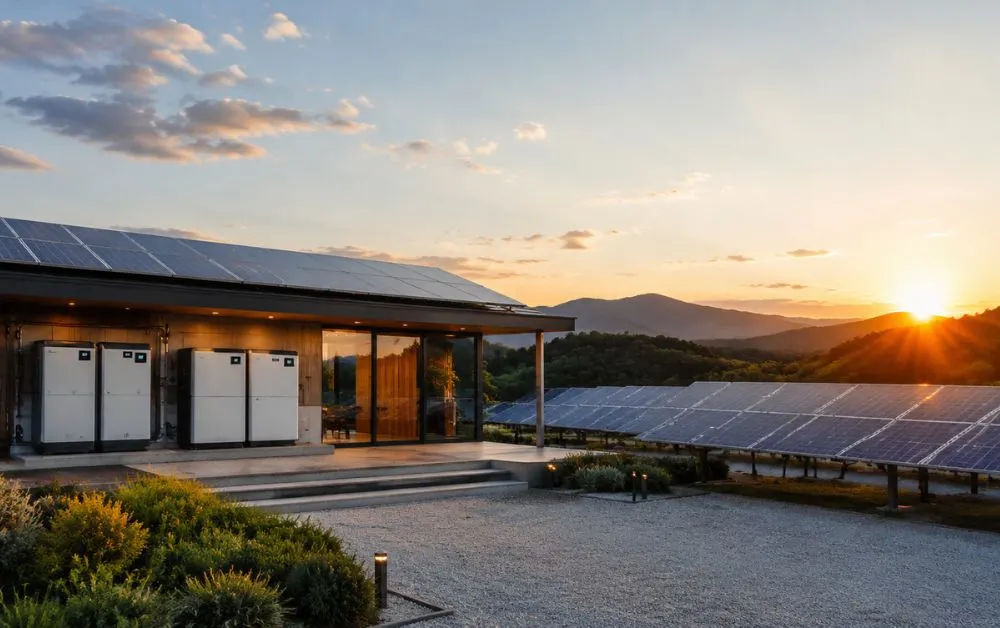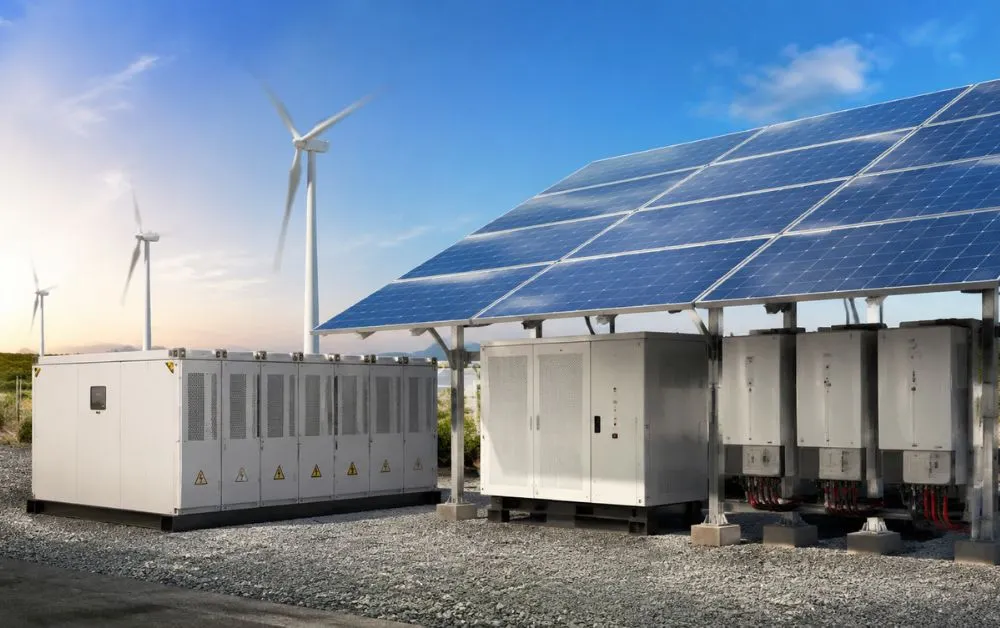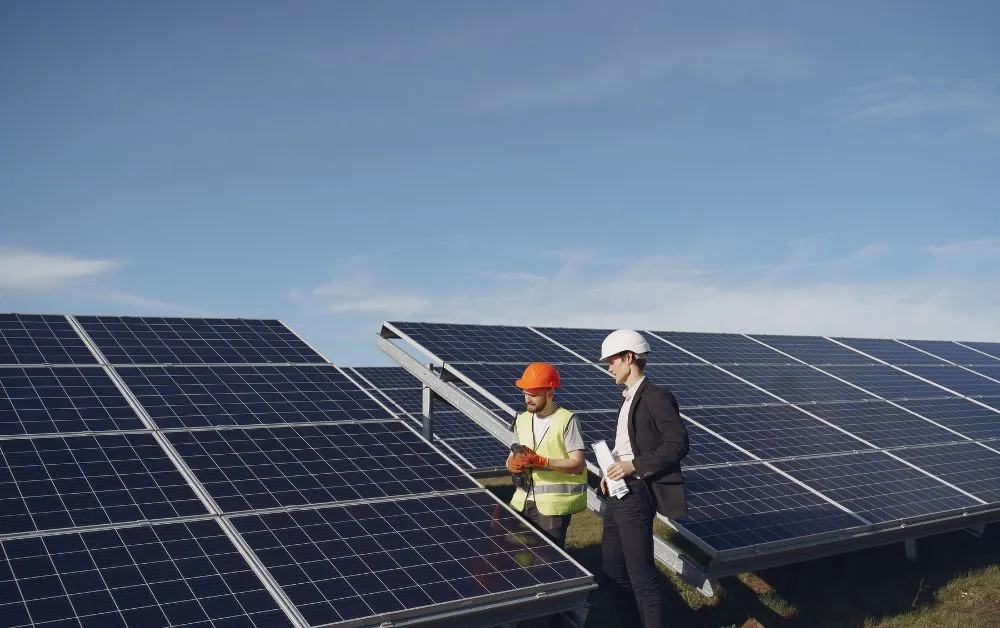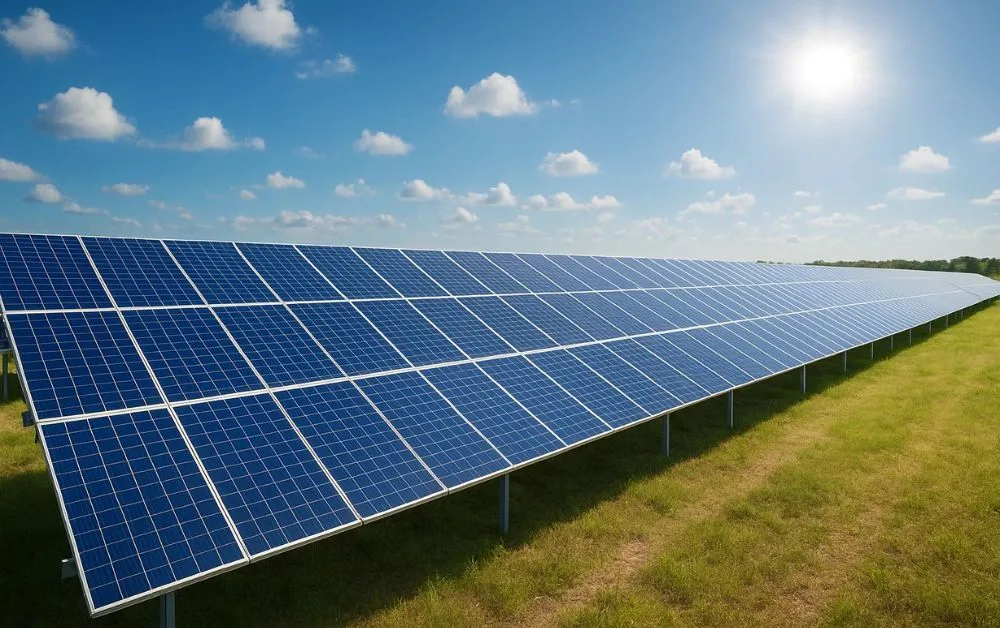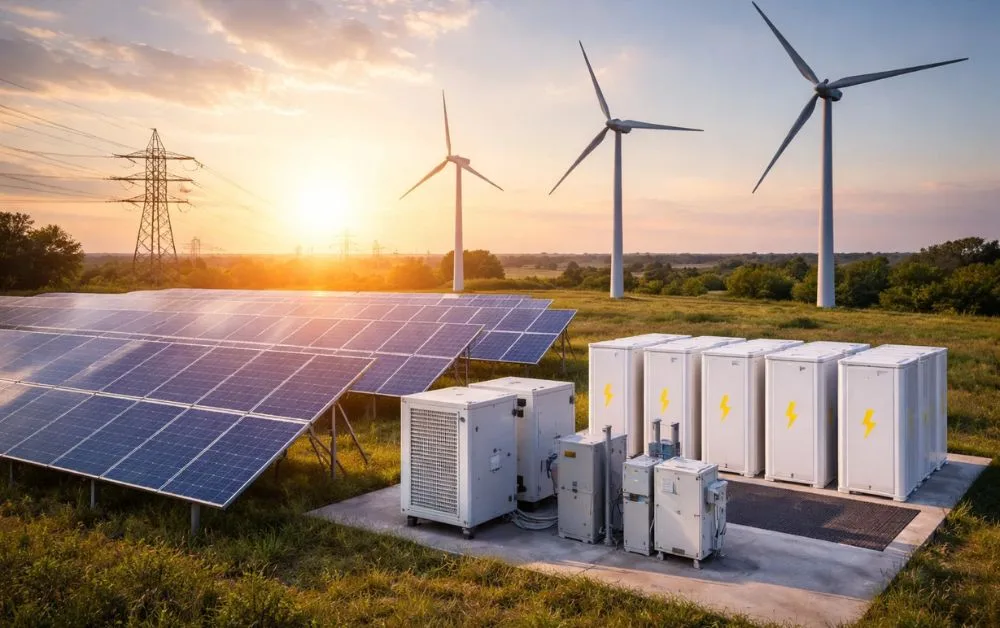
Sunshine is one resource Tanzania never runs short of, and more homes, farms, and businesses are finally putting it to work. Solar installation in Tanzania has moved from a niche option to a mainstream choice for anyone tired of unpredictable grid power and rising electricity bills. But a solar system is only as good as its installation. Panel angle, wiring, battery placement, and system sizing all affect how much power you actually get and how long the system lasts. TAMGO installs solar systems across Tanzania for homes, farms, offices, and industrial sites, and this guide walks through what a proper installation involves.
Why Solar Installation Quality Matters
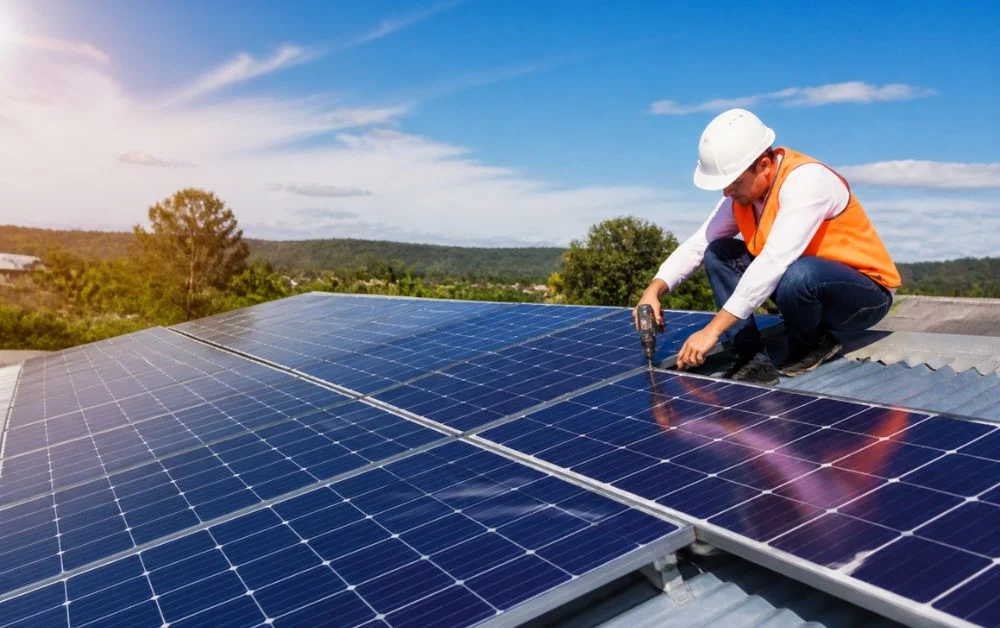
Two identical solar panels can produce very different results depending on how they are installed. Poor mounting angles reduce energy capture throughout the day. Undersized cables cause voltage drops and energy loss between the panels and the battery or inverter. Loose connections lead to arcing and fire risk over time. And incorrect battery placement shortens battery life in Tanzania’s heat. A well-installed system, on the other hand, keeps producing reliable power year after year with minimal maintenance. This is why the installation team matters just as much as the equipment brand.
Assessing Your Site Before Installation
Every good solar installation starts with a proper site assessment. The installer needs to check roof or ground space, shading from trees or nearby buildings, roof strength if panels are going on a rooftop, and the direction the site faces relative to the sun’s path. In Tanzania, most sites get strong sun exposure, but shading from mango trees, water tanks, or neighbouring structures can quietly cut output by a large margin if it is not accounted for during design. TAMGO carries out a full site survey before recommending panel placement and system size for any project.
Sizing the System Correctly
One of the most common mistakes in solar installation is sizing the system incorrectly. An undersized system cannot cover your actual power needs, leaving you frustrated and still dependent on the grid or a generator. An oversized system costs more than necessary and may never be fully used. Correct sizing starts with understanding your daily energy consumption — lights, refrigeration, pumps, computers, and any other loads — and matching that to the right combination of panels, batteries, and inverter capacity. TAMGO calculates system size based on actual load data rather than guesswork, so clients pay for the capacity they genuinely need.
Choosing Between Grid-Tied, Off-Grid, and Hybrid Systems
Tanzania’s solar buyers generally choose from three main system types. Grid-tied systems work alongside TANESCO power and reduce your electricity bill but do not provide backup during outages unless paired with batteries. Off-grid systems operate completely independently, ideal for rural areas without grid access, but require enough battery storage to cover nighttime and cloudy-day use. Hybrid systems combine solar, battery storage, and grid or generator backup, giving the most flexibility for homes and businesses that want both bill savings and power security. TAMGO helps clients choose the configuration that matches their location, budget, and power reliability needs.
Read more-How Hybrid Solar and Diesel Systems Reduce Energy Costs for Tanzanian Businesses
Installation Standards and Safety Practices
Solar installation involves working with electrical systems, rooftops, and sometimes heavy panels, so proper safety standards are non-negotiable. This includes correctly rated cabling and circuit breakers, proper earthing to protect against electrical faults, weatherproof junction boxes and connectors, and secure mounting structures that can withstand Tanzania’s wind and rain conditions. TAMGO follows recognized installation standards on every project, protecting both the system’s performance and the safety of the people who use the building.
Maintenance After Installation
A solar system does not run itself forever without attention. Panels need occasional cleaning to remove dust that builds up during the dry season. Battery terminals and connections should be checked periodically. Inverter performance should be monitored to catch any drop in output early. TAMGO offers after-installation support so that clients get the full expected lifespan out of their solar investment, rather than watching performance quietly decline over the years.
Understanding Costs and Payback Periods
Solar installation costs vary widely depending on system size, battery capacity, and equipment quality. Rather than comparing quotes on price alone, it helps to look at the payback period — the time it takes for electricity savings to cover the installation cost. Grid-tied systems without batteries generally offer the fastest payback since they simply offset electricity purchases. Systems with substantial battery storage cost more upfront but deliver additional value through power security during outages. TAMGO provides clear, itemized quotes so clients can see exactly what they are paying for and estimate their own payback timeline based on realistic energy savings.
Common Mistakes to Avoid
Many solar installation problems in Tanzania trace back to a handful of avoidable mistakes: buying based on panel wattage alone without considering the whole system design, skipping a proper site survey, choosing an installer with no track record of completed projects, or selecting battery capacity based on budget rather than actual overnight power needs. Avoiding these mistakes from the outset saves considerable frustration and cost later. TAMGO works with clients through each of these decisions rather than leaving them to figure it out alone.

Conclusion
Solar installation in Tanzania is only worthwhile when it is done correctly from site assessment through to final commissioning. TAMGO brings the technical expertise, careful system sizing, and safety-focused installation practices that turn solar panels into a dependable, long-term power source for homes and businesses across the country. Contact Tamgo Tanzania Limited today to plan your solar installation.