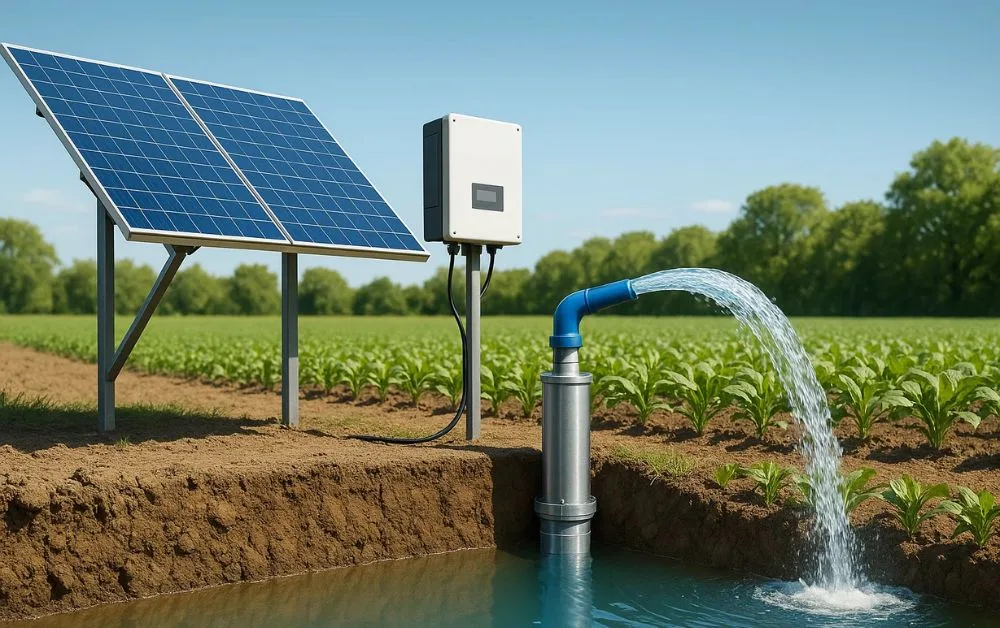
Category: Solar Water Pumping Systems

  • What Are the Environmental Benefits of Using Solar Water Pumping Systems?

    What Are the Environmental Benefits of Using Solar Water Pumping Systems?

    Water is a vital resource for agriculture, industry, and communities, but managing it in an eco-friendly way can be challenging. Traditionally, many water pumps run on electricity or diesel, both of which are not only costly but also contribute to pollution. Solar water pumping systems, however, offer a much cleaner, greener alternative. Let’s take a look at the environmental benefits of making the switch to solar-powered pumps.

    Reducing Greenhouse Gas Emissions

    One of the main benefits of solar-powered water pumps is that they cut out the need for fossil fuels, like diesel or coal, which release harmful greenhouse gases. By using solar energy instead, these pumps operate cleanly, without contributing to climate change.

    In areas where agriculture or water-heavy industries are running, this shift can make a big difference. Switching to solar-powered pumps can help businesses and communities significantly lower their carbon footprint—improving air quality and contributing to a healthier environment overall.

    Saving Fossil Fuels

    Diesel and electricity-based pumps rely heavily on non-renewable resources, which are both limited and increasingly expensive. Solar-powered pumps, on the other hand, run on sunlight—a free and renewable resource.

    This not only drops dependence on fossil fuels but also aids save money on energy bills, mainly in remote areas where access to fuel or electricity might be unreliable. By tapping into the power of the sun, we’re conserving valuable resources for future generations.

    Cleaner Water with No Risk of Contamination

    Traditional diesel or electric pumps sometimes spill fuel or leak chemicals, which can contaminate nearby water supplies. Solar-powered pumps operate without any of these risks since they don’t require fuels or chemicals to run.

    For agriculture or livestock farming, this is a big win. Clean water is crucial for healthy crops and animals, and solar-powered pumps ensure that the water remains uncontaminated, promoting better farm yields and healthier ecosystems.

    Less Noise Pollution—Better for Wildlife

    If you’ve ever worked near a noisy diesel pump, you know how disruptive the sound can be. Solar pumps are much quieter and won’t disturb surrounding communities or wildlife.

    For sensitive areas—like nature reserves or farms near wildlife—this is a major plus. It helps reduce stress for both animals and humans. Plus, in areas where conservation is key, quiet solar pumps are far less disruptive to the local fauna, allowing ecosystems to thrive in peace.

    Supporting Sustainable Agriculture

    Agriculture is one of the biggest consumers of water, and using water efficiently is crucial. Solar pumps help by providing a reliable, consistent water supply—especially in places without access to the electrical grid.

    Farmers can use solar pumps to power irrigation systems like drip or sprinklers, ensuring they use water efficiently and reducing waste. This not only conserves water but also supports more sustainable farming practices, helping to preserve water resources for the future.

    Suggested Read-The Benefits of Solar Water Pumping for Rural Tanzanian Communities

    Protecting Soil Health

    Another environmental benefit of solar water pumps is that they help prevent soil degradation. Traditional pumps, particularly fuel-powered ones, can sometimes lead to over-irrigation, which harms the soil by causing erosion or salinization.

    Solar-powered systems, on the other hand, provide controlled water flow, which helps farmers manage water levels more precisely. This leads to healthier soil, less erosion, and ultimately better crop production.

    Leading the Way for Renewable Energy

    By adopting solar water pumps, you’re not just improving water access; you’re also promoting renewable energy. Communities and businesses using solar-powered pumps are more likely to explore other clean energy solutions like solar lighting or solar-powered storage.

    This shift toward renewable energy helps build a stronger foundation for a sustainable, low-carbon future, while also aligning with global sustainability goals.

    Long-Term Environmental and Financial Benefits

    While the upfront cost of solar water pumps can be higher than traditional pumps, the long-term environmental and financial savings are huge. Reduced fuel consumption, lower maintenance costs, and no emissions mean a smaller environmental footprint & fewer ongoing expenses.

    So, while it’s an investment at first, solar-powered pumps save money over time and help businesses & communities make a positive impact on the planet.

    Conclusion

    Solar water pumping is more than just a practical solution for reliable water access—they’re an environmentally friendly choice that helps reduce emissions, conserve fossil fuels, and protect local ecosystems. Whether you’re in agriculture, industry, or a community looking for sustainable water management, solar pumps offer a cleaner, greener way to get the job done.

    If you’re in Tanzania and looking for a trusted supplier of solar water pumping systems, Tamgo Tanzania Limited offers expertly designed, installed, and maintained systems tailored to meet your needs.

  • The Benefits of Solar Water Pumping for Rural Tanzanian Communities

    The Benefits of Solar Water Pumping for Rural Tanzanian Communities

    Access to clean and reliable water remains a major challenge for many rural communities in Tanzania. With long walks to fetch water, seasonal shortages, and dependence on unreliable fuel-powered pumps, the struggles can affect health, livelihoods, & development. Thankfully, solar water pumping systems are emerging as a practical & sustainable solution, particularly in remote areas with limited access to the grid. Let us take a look at how this technology is making a real difference.

    Reliable Water Access in Remote Areas

    Many rural villages are far from the national power grid and piped water systems. Traditional diesel pumps are expensive to run and prone to breaking down, mainly owing to fuel shortages or poor maintenance.

    Solar-powered systems provide:

    • Continuous access to water during daylight hours
    • Independence from grid electricity
    • Less downtime compared to fuel-powered systems

    This kind of reliability helps communities plan their daily activities without the constant worry of water shortages.

    Lower Operating and Maintenance Costs

    Fuel and electricity expenses are a huge burden for rural water projects. Diesel prices fluctuate, & transporting fuel to remote locations adds additional costs.

    Solar systems offer:

    • No fuel costs after installation
    • Few moving parts, meaning less wear & tear
    • Lower long-term maintenance costs

    Over time, solar-powered pumps prove to be much more affordable than traditional systems, making them perfect for community-managed water projects.

    Improved Health and Hygiene

    When clean water is readily available, it’s easier for communities to maintain better hygiene. This reduces the reliance on unsafe water sources, such as rivers or ponds, which can carry harmful pathogens.

    Health benefits include:

    • Fewer waterborne diseases
    • Better sanitation practices
    • Improved maternal & child health

    Having reliable water also helps support schools & health centers, ensuring safer environments for both education & healthcare.

    Support for Agriculture and Livestock

    Agriculture is the foundation of rural life in Tanzania. A steady water supply allows farmers to irrigate crops & provide water for livestock, even during dry spells.

    Economic benefits include:

    • Higher crop yields
    • Reduced crop failures during droughts
    • Healthier livestock, leading to better productivity

    With reliable water, farmers can diversify their crops, creating more stable incomes throughout the year.

    Environmentally Friendly and Sustainable

    Solar powered pumps are a green solution, using renewable energy to operate. They have several environmental benefits:

    • Zero carbon emissions while running
    • Reduced dependence on fossil fuels
    • Protection of local ecosystems

    This sustainability is in line with both national and local goals to preserve natural resources while meeting growing water needs.

    Related read:-Solar Water Pumping Systems vs. Conventional Pumps: Which Is Better?

    Empowering Local Communities

    When water systems are easy to operate and maintain, it gives local communities the ability to take ownership of their water supply.

    Benefits for communities include:

    • Simple operation with basic training
    • Active involvement in managing the system
    • Increased accountability, which helps ensure the system lasts longer

    This ownership leads to better care of the infrastructure and greater success for long-term water projects.

    Resilience Against Climate Change

    Climate change is causing unpredictable weather patterns, including droughts and shifting rainy seasons. Solar water pumping systems aid communities cope with these changes by:

    • Accessing groundwater during dry periods
    • Ensuring a steady supply of water despite rainfall variability
    • Supporting water planning that can adapt to climate changes

    This resilience is a must for rural areas, which are the most vulnerable to climate-related disruptions.

    Scalability for Growing Communities

    Rural communities are not static; as populations grow, so does the demand for water.

    The flexibility of solar systems means:

    • Additional panels can be added as water demand increases
    • Storage tanks can be expanded
    • The system can be adapted to serve schools, clinics, & farms

    This scalability ensures that water systems can grow with the community.

    Conclusion

    For rural communities in Tanzania, solar water pumping systems offer much more than just reliable water access. They aid improve health, support agriculture, protect the environment, and provide economic stability, all while reducing long-term costs & reliance on fuel. As more communities adopt solar water pumping systems, these are becoming a cornerstone of sustainable development, showing that reliable water does not have to come at the expense of the environment or community finances. Tamgo Tanzania Limited is proud to give solar water solutions designed to meet the real needs of rural communities across Tanzania.

  • Solar Water Pumping Systems vs. Conventional Pumps: Which Is Better?

    Solar Water Pumping Systems vs. Conventional Pumps: Which Is Better?

    Water is life — and in Tanzania, water pumping plays a massive role in farming, livestock keeping, and community water supply. For years, most people have relied on diesel or electric pumps to draw water. But recently, solar water pumping systems have gained attention as a cleaner, more affordable option.

    So, which one works best — the traditional pumps or the solar-powered ones? Let’s look at the differences to help you make an informed choice.

    Understanding Conventional Water Pumps

    Conventional pumps usually run on either diesel fuel or grid electricity. They’ve been around for a long time and are popular because they’re powerful and readily available in the local market.

    • Strong output: Diesel and electric pumps can move large volumes of water quickly, making them suitable for large farms and industrial applications.
    • Fuel and grid dependence: A diesel pump needs a steady fuel supply, while an electric pump relies on a stable grid connection — which can be tricky in some rural parts of Tanzania.
    • Maintenance: Diesel engines require regular servicing — oil changes, new filters, and sometimes a complete engine overhaul. Electric pumps are simpler but can get damaged when the voltage fluctuates.

    Conventional pumps are reliable when electricity or fuel is readily available, but their running costs can pile up over time, and their environmental impact is hard to ignore.

    The Rise of Solar Water Pumping Systems

    Solar water pumps use energy from the sun to operate — a perfect match for Tanzania’s sunny climate. These systems have become popular, especially in remote areas where access to fuel or grid power is limited.

    • Free energy source: The sun provides the power, which means you save on fuel costs.
    • Low running costs: Once installed, there are very few ongoing expenses apart from cleaning and occasional checks.
    • Off-grid use: Solar systems work anywhere, even in villages without electricity.
    • Eco-friendly: No fumes, no noise, and no pollution — just clean, renewable energy.

    For rural farmers and community water projects, solar pumps offer freedom from fuel deliveries and unpredictable electricity supplies.

    Comparing the Costs

    At first glance, conventional pumps often seem cheaper because they have a lower purchase price. But once you add up the cost of fuel, oil, spare parts, and servicing, they quickly become expensive to maintain.

    Solar water pumps, on the other hand, require a larger upfront investment due to the panels and installation. However, once they’re running, they use free solar power — no fuel, no noise, and minimal maintenance. Over a few years, the total cost of ownership is usually much lower with solar.

    For anyone planning long-term — especially farmers and small businesses — solar is often the more brilliant financial choice.

    Related read:-The Benefits of Solar Water Pumping for Rural Tanzanian Communities

    Reliability and Daily Performance

    When it comes to reliability, both systems have their strengths.

    • Conventional pumps: Diesel and electric models can run any time of day or night and aren’t affected by weather. However, they depend on fuel availability or grid stability — both of which can be unreliable in some regions.
    • Solar pumps: They rely on sunlight, so performance drops a bit on cloudy days. But with modern battery storage and hybrid designs, solar pumps can now operate even at night or on overcast days.

    In areas with frequent power cuts or high fuel prices, solar water pumps often prove more dependable in the long run.

    Environmental Impact

    This is where solar pumps clearly stand out.

    • Diesel pumps release greenhouse gases and create noise pollution, especially harmful in quiet farming communities.
    • Electric pumps are cleaner, but the electricity they use often comes from non-renewable sources.
    • Solar pumps produce zero emissions, run silently, and require no fuel — making them ideal for sustainable water supply and irrigation.

    Switching to solar water pumping helps protect the environment and supports Tanzania’s efforts to increase renewable energy use.

    Maintenance and Ease of Use

    Maintaining a pump can make or break its usefulness, especially in remote areas.

    • Conventional pumps: Diesel units need frequent service — oil, filters, and mechanical parts wear out over time. Electric pumps need careful handling to avoid electrical damage.
    • Solar pumps: They’re simple — keep the panels clean, check the wiring occasionally, and service the pump once in a while. With fewer moving parts, there’s less that can go wrong.

    For users far from service centers, solar systems are much easier to manage and cheaper to maintain.

    Final Thoughts

    At the end of the day, the best choice depends on your situation — your location, your water demand, and your budget. Diesel and electric pumps are powerful and can run continuously, but they’re costly to maintain and less eco-friendly. Solar water pumping, while requiring a higher initial investment, pays off with lower costs, easier maintenance, and environmental benefits. For Tanzanian farmers, communities, and industries seeking dependable, affordable water-pumping solutions, Tamgo Tanzania Limited provides reliable solar systems with expert installation and after-sales support — helping you secure a steady water supply powered by the sun.