Category: Power Energy Solutions

  • Why Businesses Prefer Perkins Powered Generators for Daily Use

    Why Businesses Prefer Perkins Powered Generators for Daily Use

    In Tanzania’s commercial and industrial landscape, reliable electrical power is not something businesses can take for granted. Frequent grid interruptions, infrastructure challenges, and the remote location of many industrial facilities mean that having a dependable generator is a fundamental operational necessity rather than a luxury. Among the generator options available, Perkins powered generators have emerged as a consistently preferred choice for businesses that use their generators daily. As a leading provider of power solutions in Tanzania, TAMGO Tanzania Limited supplies FG Wilson generator sets powered by Perkins engines, helping businesses across the country access the performance and reliability that daily power demands require.

    The Engineering Heritage Behind Perkins

    Perkins has been manufacturing diesel and gas engines since 1932 — over nine decades of continuous engineering development and real-world refinement. Their engines have been deployed in some of the most demanding environments on earth, including construction sites, mining operations, agricultural applications, marine vessels, and industrial power generation across dozens of countries. This accumulated engineering experience is embedded in every Perkins engine that powers an FG Wilson generator, delivering a level of proven reliability that newer or less established engine brands simply cannot match. When a business chooses a Perkins powered generator for daily use, they are choosing an engine technology that has been refined through billions of hours of real-world operation.

    Consistent Performance Under Daily Operating Conditions

    For a generator used on a daily basis, consistency of performance is more important than peak capability. A generator that starts reliably every morning, runs smoothly throughout the working day without unexpected shutdowns, and shuts down cleanly without issues is worth far more to a business than one with impressive specifications that is unreliable in day-to-day operation. Perkins engines are designed with this consistency in mind. Their fuel injection systems, thermal management, and lubrication circuits are engineered to maintain stable performance across extended run times and varied load conditions — precisely the demands that daily business use places on a generator.

    Fuel Efficiency That Reduces Daily Running Costs

    For businesses running a generator every day, fuel cost is one of the most significant ongoing expenses associated with the equipment. Perkins engines are engineered for combustion efficiency, extracting maximum usable energy from each litre of diesel. This efficiency advantage, which may appear modest when looking at a single day’s fuel consumption, compounds significantly over weeks, months, and years of daily operation. For businesses managing tight operational budgets in Tanzania’s competitive market environment, the fuel savings from a more efficient engine can represent a meaningful contribution to profitability over time.

    Read more-How Are Energy Solutions in Tanzania Evolving with New Technology?

    Low Maintenance Demands for Continuous Availability

    A generator that requires frequent maintenance interventions to keep it running is a constant drain on time, money, and operational attention. Perkins engines are designed with durability and extended service intervals in mind, meaning they can run for longer periods between scheduled maintenance events without compromising reliability. When maintenance is due, the engine’s accessible layout makes service tasks straightforward for trained technicians. Genuine Perkins spare parts are available through TAMGO Tanzania Limited, ensuring that when service is needed, the right components are on hand without lengthy delays.

    Wide Power Range for Every Business Scale

    One of the most practical advantages of choosing Perkins powered generators through TAMGO Tanzania Limited’s FG Wilson range is the breadth of available power outputs. The range spans from smaller generator sets suitable for retail premises, clinics, and small offices up to large industrial units capable of powering entire manufacturing facilities. This means that regardless of the size of your business or the scale of your power requirement, there is a Perkins powered option that matches your needs without requiring you to overpay for excess capacity or compromise with insufficient power.

    Local Support That Makes Reliability Real

    The reliability of a Perkins powered generator in daily business use depends not just on the quality of the engine and generator set but also on the quality of local support available when maintenance or repair is needed. TAMGO Tanzania Limited maintains an experienced service team and spare parts inventory across Tanzania, ensuring that businesses using Perkins powered generators have access to prompt, professional support when their equipment needs attention. This local presence transforms the theoretical reliability of Perkins technology into practical, day-to-day operational certainty for businesses across the country.

    Conclusion

    For businesses that run their generators daily and cannot afford the disruption of unexpected downtime, Perkins powered generators offer a compelling combination of proven reliability, fuel efficiency, durability, and accessible maintenance. As a trusted provider of power solutions in Tanzania, TAMGO Tanzania Limited gives businesses across the country access to FG Wilson generator sets powered by Perkins engines, backed by the local support and expert knowledge to ensure they deliver on their full promise throughout their operational life.

  • How Are Energy Solutions in Tanzania Evolving with New Technology?

    How Are Energy Solutions in Tanzania Evolving with New Technology?

    Tanzania is undergoing a significant shift in how it generates, distributes, and consumes energy. As the demand for power rises, driven by industrial growth, urbanization, & rural electrification goals, the country is embracing new technologies to create a more reliable, efficient, and sustainable energy ecosystem. Today, energy solutions in Tanzania are evolving far beyond traditional sources, becoming smarter, greener, and more tailored to the country’s specific needs.

    The Shift Toward Renewable Energy

    One of the most striking changes in Tanzania’s energy landscape is the increased adoption of renewable energy. Solar power, in particular, is leading the way, thanks to the country’s abundant sunlight.

    • Solar panels are now common in both urban centers and rural areas, providing reliable energy in places where the grid is either unreliable or unavailable.
    • Off-grid solar systems are helping to bring electricity to remote communities, making a huge difference in people’s lives.
    • Hybrid systems, which combine solar energy with backup diesel generators, are becoming popular in areas where a steady power supply is crucial but not always guaranteed.

    This shift toward renewables is not just about cutting costs; it’s about reducing the reliance on fossil fuels and creating a cleaner, more sustainable energy future for Tanzania. Wind & hydroelectric energy projects are also expanding, contributing to a more diversified energy mix.

    Smart Technology Integration

    Technology is playing an increasingly important role in making Tanzania’s energy systems more efficient and user-friendly.

    • Smart meters are now being used across the country, allowing users to track their energy consumption in real-time & adjust their habits accordingly.
    • Automated systems are improving power distribution, helping to minimize losses and ensure that electricity is delivered where it’s needed most.
    • Remote monitoring of energy systems is reducing downtime and making maintenance easier and more cost-effective.

    These smart solutions make the entire energy system more manageable, giving both energy providers and consumers greater control and predictability.

    Growth of Solar Water Pumping Systems

    Agriculture, a cornerstone of Tanzania’s economy, is benefiting greatly from new energy innovations. Solar-powered water pumps are becoming increasingly popular among farmers for their ability to provide a steady supply of water without relying on expensive fuel-based pumps.

    • These solar-powered pumps eliminate the ongoing cost of fuel and maintenance associated with traditional pumps.
    • They offer farmers a consistent water supply for irrigation, helping to improve crop yields and productivity.
    • Over time, the operational savings are substantial, providing long-term financial benefits to farmers and the broader agricultural sector.

    This is a perfect example of how modern energy technologies are directly enhancing productivity and livelihoods, especially in rural areas.

    Expansion of Industrial Energy Solutions

    Tanzania’s industrial sectors, including manufacturing, mining, and construction, are also reaping the rewards of advanced energy technologies. These sectors require reliable & scalable power solutions, and technology is stepping up to meet these needs.

    • High-efficiency generators are ensuring that factories and plants can operate smoothly without interruptions.
    • Energy storage systems are providing backup power during outages, giving businesses peace of mind.
    • Customized energy solutions tailored to specific industry needs are making it easier for companies to manage their power usage efficiently.

    These energy solutions help businesses stay competitive and ensure that operations continue without costly downtime.

    Also Read-What Challenges Do Businesses Face When Implementing Power Solutions?

    Improved Energy Storage Systems

    Energy storage is another area that’s seeing rapid growth in Tanzania. With the increase in renewable energy generation, advanced storage technologies are becoming critical in balancing supply and demand.

    • Lithium-ion batteries, known for their long lifespan and efficiency, are increasingly used to store energy generated by solar and wind systems.
    • These storage systems ensure that excess energy is captured and available for use during periods of low sunlight or wind, improving the reliability of renewable sources.
    • Backup power storage is also ensuring that businesses & communities have power during grid failures, making energy more stable and dependable.

    With energy storage solutions, Tanzania is moving closer to achieving energy independence, even in areas where grid infrastructure is still developing.

    Government Support and Infrastructure Development

    The Tanzanian government is playing a key role in fostering the growth of modern energy technologies.

    • Rural electrification programs are bringing electricity to more communities, improving access to power in underserved areas.
    • Public-private partnerships are accelerating infrastructure development, ensuring that new energy technologies are integrated across the country.
    • Government incentives are encouraging businesses to invest in renewable energy, further driving the transition to a cleaner energy mix.

    These efforts are helping to create a supportive environment for the continued development of the energy sector, making it easier for businesses & individuals to adopt new technologies.

    Conclusion

    Tanzania’s energy sector is in the midst of an exciting transformation. From the rise of renewable energy sources to the integration of smart technology and energy storage, the country is building a smarter, more sustainable energy future. For businesses looking to stay ahead of the curve and embrace these innovations, Tamgo Tanzania Limited offers reliable energy solutions tailored to your specific needs, helping you thrive in an evolving energy landscape.

  • What Challenges Do Businesses Face When Implementing Power Solutions?

    What Challenges Do Businesses Face When Implementing Power Solutions?

    In Tanzania, reliable electricity is a must for businesses of all sizes, from manufacturing plants to office spaces. Without consistent power, operations can grind to a halt, affecting productivity and growth. However, implementing effective power solutions isn’t always smooth sailing. There are several challenges that businesses often face—technical, financial, and logistical—that can impact their energy strategies. Understanding these challenges aids businesses choose the right power solutions for long-term efficiency.

    High Initial Investment Costs

    One of the biggest hurdles businesses faces when adopting advanced power solutions is the upfront cost. Whether it’s installing solar panels, setting up hybrid systems, or investing in diesel generators, the initial investment can be significant. For small and medium-sized businesses, this can be a major financial strain.

    While these systems typically offer long-term savings & reliability, the initial expense might discourage businesses from making the switch. It’s important for businesses to look at the return on investment (ROI), explore financing options, or take advantage of government incentives and leasing models to make the transition more affordable.

    Unreliable Grid Infrastructure

    Even though Tanzania is making strides in improving its national grid, power inconsistencies remain an issue in some areas. Frequent outages, voltage fluctuations, and limited grid capacity can disrupt day-to-day operations—especially in industries like manufacturing, healthcare, and hospitality. As a result, businesses often have to rely on backup generators or hybrid systems, which add complexity and cost.

    When working with grid limitations, it’s crucial to plan ahead. A proper energy assessment can help determine peak loads, backup requirements, and ways to integrate renewable energy to keep operations running smoothly.

    Technical Complexity and Integration

    When it comes to implementing advanced power solutions, things can get tricky. Hybrid systems—those that combine solar power, battery storage, and generators—require careful integration to work efficiently. If not set up properly, businesses could experience issues like energy losses, system inefficiencies, or frequent maintenance.

    This means investing in skilled technicians and making sure the system is designed correctly from the start. Ongoing monitoring and partnering with experienced service providers can aid ensure everything runs smoothly and that the system remains efficient long-term.

    Maintenance and Reliability Concerns

    Like any technology, power systems require regular maintenance. Solar panels, inverters, and batteries can wear down over time, and even diesel generators need regular servicing and fuel management. Skipping maintenance can lead to unexpected breakdowns, expensive repairs, & operational downtime.

    To avoid these issues, businesses need to set up preventive maintenance schedules and train staff to keep an eye on system performance. Outsourcing maintenance to experts can also aid reduce risks and extend the lifespan of the equipment.

    Regulatory and Policy Challenges

    Tanzania’s energy regulations can sometimes be difficult to navigate. There are licensing requirements, safety standards, & environmental guidelines that businesses must comply with when implementing new power systems. And let’s not forget, policy changes or shifting tariffs could affect costs or make some systems less feasible.

    Staying up-to-date on regulations is important to avoid penalties and ensure compliance. It’s also worth exploring government incentives that support renewable energy adoption, which can help offset the financial burden.

    Explore more-What Role Do Energy Solutions Play in Industrial Development in Tanzania?

    Limited Access to Skilled Personnel

    Another challenge that businesses face is the shortage of skilled technicians who are experienced with modern power solutions. Solar systems, hybrid setups, and battery storage require specialized knowledge & expertise, which may not always be available locally.

    This shortage can cause delays, increase costs, and even lead to reliability issues if the installation isn’t done right. Partnering with reputable companies that provide technical support, training, and skilled personnel can help overcome this hurdle and ensure smooth operations.

    Environmental and Site Considerations

    The physical environment plays a big role in how well power solutions perform. Solar panels, for example, need plenty of sunlight to operate efficiently, while generators require proper ventilation & fuel storage. Space limitations in urban areas can also restrict the size of the system, and harsh weather conditions could affect equipment performance.

    Before jumping into any project, businesses should conduct a thorough site assessment to ensure they’re selecting the best system for their location. By considering these environmental factors, businesses can maximize their system’s effectiveness & minimize potential issues down the road.

    Cost of Energy Storage

    Energy storage, particularly batteries, is an important part of any renewable energy system. But battery technology can be expensive, and selecting the right capacity is critical to avoid interruptions in power supply.

    On one hand, too little storage can lead to gaps in power availability, while over-investing in storage capacity drives up costs. Businesses need to balance their storage needs with energy demand and consider potential future growth when choosing their energy storage solutions.

    Conclusion

    While there are several challenges when implementing power solutions in Tanzania, businesses can overcome them with careful planning and the right partnerships. From high initial costs to regulatory compliance and technical integration, addressing these challenges early on will help ensure that the chosen energy system delivers long-term value.

    For businesses looking for reliable energy solutions, Tamgo Tanzania Limited offers expert support in designing, installing, & maintaining hybrid, solar, and generator-based power systems tailored to industrial and commercial needs.

  • What Role Do Energy Solutions Play in Industrial Development in Tanzania?

    What Role Do Energy Solutions Play in Industrial Development in Tanzania?

    Industrial development is a key driver of economic growth in Tanzania, contributing to jobs, infrastructure, and exports. But there’s one big challenge that continues to hold businesses back: reliable energy. Without a steady, efficient power supply, industries face production delays, rising costs, & limited growth potential. That is where modern energy solutions in Tanzania come in, helping businesses scale & become more sustainable.

    Power Reliability: The Backbone of Industrial Growth

    A stable energy supply is a must for industries to function smoothly. Tanzania has long struggled with frequent power outages and fluctuating voltage, which have disrupted manufacturing, processing, & heavy industries.

    Benefits of reliable energy include:

    • Continuous production without costly downtime
    • Protection of sensitive machinery from power surges
    • Consistent product quality

    With dependable energy infrastructure, industries can plan for long-term growth & scale operations without worrying about unexpected power interruptions.

    Reducing Operational Costs

    Energy is one of the biggest expenses for industries, mainly when relying on diesel generators or inconsistent grid power. Modern energy solutions can help reduce these costs significantly.

    Key cost benefits include:

    • Use of solar, hybrid, or efficient power systems to minimize fuel consumption
    • Improved energy efficiency through smart monitoring systems
    • Reduced reliance on expensive grid electricity, mainly during peak hours

    These energy solutions aid businesses maintain profitability, even as they scale their production to meet growing demand.

    Supporting Technological Advancements

    In today’s world, industries depend on advanced machinery, automation, and computerized systems—all of which need a stable and continuous energy supply.

    Energy solutions make it possible to:

    • Use modern production technologies without interruptions
    • Improve automation and robotics for better output
    • Maintain high safety and quality standards across operations

    Without reliable power, even high-tech factories cannot operate efficiently, limiting their ability to compete in the market.

    Facilitating Industrial Expansion

    As Tanzania works to diversify its industries—moving beyond agriculture to areas like manufacturing & agro-processing—energy solutions are vital for supporting this growth.

    Key benefits for expansion include:

    • Enabling new factories to operate even in areas with weak grid infrastructure
    • Supporting industrial parks and clusters with shared energy resources
    • Allowing businesses to expand into off-grid or remote areas without compromising productivity

    Access to reliable energy opens the door for both local and foreign investments, encouraging industrial growth across the country.

    Promoting Sustainability in Industries

    Sustainability is becoming more of a priority for industries around the world, & Tanzania is no exception. Traditional energy sources like fossil fuels have a significant impact on the environment, contributing to climate change.

    Modern energy solutions promote sustainability by:

    • Using renewable sources like solar and wind
    • Reducing the carbon footprint of industrial operations
    • Helping businesses meet environmental regulations and sustainability goals

    Industries that embrace sustainable energy solutions not only lower their operating costs but also boost their reputation, making them more competitive in the global market.

    Enhancing Productivity and Workforce Efficiency

    Reliable energy does not just benefit machines—it also improves workforce efficiency. Frequent power cuts disrupt operations, reduce productivity, & add stress to employees.

    The benefits of steady energy include:

    • Fewer disruptions, which boosts employee productivity
    • Better working conditions with consistent lighting, ventilation, & climate control
    • More predictable scheduling of production and maintenance activities

    A more efficient workforce leads directly to better overall industrial performance.

    Related read:-What to Consider When Choosing Energy Solutions in Tanzania

    Supporting Critical Infrastructure and Services

    Industrial growth is supported by a network of services like water treatment, cold storage, and logistics—all of which need reliable energy.

    Energy solutions help by:

    • Powering water pumping and treatment systems for industrial use
    • Keeping cold storage systems running for perishable goods
    • Ensuring smooth transport and logistics operations

    With integrated energy planning, the entire industrial ecosystem can operate efficiently and seamlessly.

    Encouraging Innovation and Investment

    Industries that invest in reliable energy systems are in a better position to innovate. Having a stable energy supply gives businesses the confidence to explore new technologies, expand their production lines, & invest in long-term projects.

    Benefits for innovation include:

    • Less risk when experimenting with new machinery or systems
    • Support for R&D efforts within factories
    • Attracting investors who prioritize energy reliability & sustainability

    This creates a cycle of growth: reliable energy aids businesses innovate, which in turn attracts more investment.

    Conclusion

    Energy is at the core of Tanzania’s industrial development. From cutting operational costs to enabling new technologies & supporting sustainability, modern energy solutions are helping industries grow & thrive. By investing in reliable energy systems, sectors can overcome long-standing challenges & build a strong foundation for future success. Tamgo Tanzania Limited plays a key role in this transformation by providing tailored energy solutions that help industries across Tanzania achieve efficiency, sustainability, and long-term growth.

  • What to Consider When Choosing Energy Solutions in Tanzania

    What to Consider When Choosing Energy Solutions in Tanzania

    Access to reliable energy has become one of the most critical factors for progress in Tanzania. As towns expand, industries grow, & more people connect to the grid, the need for dependable, affordable power continues to grow.

    Whether you’re running a business, managing an industrial site, or simply powering your home, choosing the right energy solutions in Tanzania can save you money and avoid frustration later. From solar and diesel generators to hybrid systems, here are the key things to think about before making your choice.

    Know Your Energy Needs

    Before buying any energy system, take time to understand how much power you actually use and when you use it.

    • Track your usage: Review your average daily consumption and note peak-demand times.
    • Define your purpose: Are you powering a small office, a household, or an entire production plant?
    • Growth plan: Your energy needs today might not be the same five years from now, so go for a solution that can grow with you.

    Getting this step right helps you avoid overspending on an oversized system or struggling with one that’s too small for your needs. For example, a small business might run perfectly with a mid-sized generator, while a large factory would need something much more powerful and stable.

    Choose the Right Energy Source

    Tanzania offers a variety of energy options, and each has its strengths.

    • Solar power: Ideal for sunny areas and increasingly popular for homes and offices. It’s clean, quiet, and can run independently from the grid, especially when combined with batteries.
    • Diesel generators: A tried-and-tested backup option for areas where power cuts are common. They deliver consistent energy but come with fuel and maintenance costs.
    • Hybrid systems: These combine solar and diesel, giving you the best of both worlds — renewable energy when the sun is out and generator power when it’s not.

    The right choice often depends on your location, your budget, and how much you rely on electricity day to day.

    Focus on Reliability and Support

    Even the most advanced system isn’t helpful if it fails when you need it most.

    • Check grid reliability: Some parts of Tanzania experience power outages, so it’s essential to have a solution that can handle them.
    • Maintenance: Consider how often your system will need servicing and whether you can easily find qualified technicians nearby.
    • After-sales service: Choose suppliers who offer warranties, quick troubleshooting, & readily available spare parts.

    A reliable system keeps your operations running smoothly and protects your equipment from damage caused by poor power quality.

    Understand the Costs

    Cost isn’t just about the initial purchase — it’s also about how much you’ll spend over time.

    • Initial investment: Larger systems or those using renewable technology can cost more upfront.
    • Running costs: Diesel generators need fuel and maintenance, while solar systems mainly require cleaning & occasional checks.
    • Long-term savings: Solar and hybrid systems may seem expensive at first, but they pay off through lower energy bills and reduced fuel expenses.

    The innovative approach is to balance your budget between short-term affordability and long-term value.

    Related read:-Why Should Tanzania Invest More in Smart Energy Solutions for Sustainability?

    Think About the Environment

    Energy decisions today also shape the kind of environment we’ll live in tomorrow.

    • Carbon emissions: Generators release greenhouse gases, while solar power produces clean energy with no emissions.
    • Noise and pollution: Diesel units can be noisy & smoky; solar systems are silent and eco-friendly.
    • Efficiency: Choosing energy-efficient systems reduces waste, pollution, and long-term costs.

    By going green, you not only save money but also support Tanzania’s renewable energy goals and protect your community’s environment.

    Make Sure Local Support Is Available

    Even the best energy system needs occasional service or parts replacement. That’s why local support matters.

    • Trusted suppliers: Work with authorized dealers who provide genuine products and professional service.
    • Qualified technicians: Ensure installation and maintenance can be performed locally.
    • Spare parts: Easy access to parts helps avoid long downtimes in case something fails.

    Having nearby support gives peace of mind and ensures your system stays up and running for years.

    Check Legal and Safety Requirements

    Energy solutions must meet both local and international standards.

    • Licensing: Some systems may require specific approvals before installation.
    • Safety: Equipment should meet national safety standards to protect users and property.
    • Environmental rules: Follow government guidelines related to emissions, fuel handling, and waste disposal.

    Following the proper regulations keeps your business compliant & your investment secure.

    Final Thoughts

    Choosing an energy solution isn’t just about buying equipment — it’s about finding the right balance between cost, reliability, and sustainability. When you take time to assess your needs, understand your options, and work with the right supplier, you set yourself up for dependable and long-term energy security. For businesses, communities, and households across the country, Tamgo Tanzania Limited offers reliable power solutions — from solar and diesel systems to hybrid setups — all backed by expert support and quality service you can trust.

  • Why Should Tanzania Invest More in Smart Energy Solutions for Sustainability?

    Why Should Tanzania Invest More in Smart Energy Solutions for Sustainability?

    As Tanzania continues to experience economic growth and urban expansion, the demand for energy is rising rapidly. Meeting this demand through traditional energy sources alone is not sustainable in the long term. Smart energy solutions are gaining attention worldwide as the key to balancing growing energy wants with environmental responsibility. For Tanzania, investing more in innovative, sustainable, & efficient energy systems can play a key part in securing its energy future.

    This blog explores why Tanzania should prioritize smart energy solutions for sustainability and the long-term benefits they bring.

    Rising Energy Demand in Tanzania

    Tanzania’s population is expanding, and with it comes a sharp increase in energy needs for households, industries, healthcare facilities, schools, and transport. According to regional energy reports, the country still relies heavily on hydropower & fossil fuels. While these sources provide significant capacity, they are vulnerable to climate variability, high costs, and environmental impact.

    Without diversifying into smart, sustainable energy solutions, Tanzania risks facing electricity shortages, unreliable supply, and increased dependency on imported fuels. This could slow down industrial growth and affect social development.

    What Are Smart Energy Solutions?

    Smart energy solutions go beyond traditional energy production. They include technologies and systems that enhance efficiency, drop waste, and integrate renewable resources. Examples such as:

    • Solar power systems with energy storage
    • Hybrid power plants combining solar, wind, and diesel backup
    • Energy-efficient appliances and lighting
    • Digital monitoring & smart grids to optimize distribution
    • Water-energy integration solutions like solar-powered pumps

    These technologies are designed to minimize energy losses, maximize renewable energy use, & drop greenhouse gas emissions.

    Benefits of Investing in Smart Energy Solutions in Tanzania

    1. Strengthening Energy Security

    Tanzania is heavily dependent on weather conditions for hydropower and on costly imports for fossil fuels. Smart solutions like solar and hybrid systems can reduce this dependency by tapping into locally available resources. With more reliable power, industries and households can operate without disruption.

    2. Cost Savings for Businesses and Households

    Although the initial investment in smart energy solutions can be high, they significantly reduce operational costs in the long term. Solar systems, for example, have minimal running costs once installed. Energy-efficient technologies also cut down electricity bills for both businesses and households.

    3. Supporting Environmental Sustainability

    Traditional fossil-fuel-based systems release carbon emissions that contribute to global warming. By adopting renewable and energy-efficient technologies, Tanzania can play a key in decreasing greenhouse gas emissions & protecting natural ecosystems.

    4. Job Creation and Skills Development

    The energy transition needs skilled labor for installation, maintenance, & innovation. Investing in smart energy solutions can create thousands of jobs across technical, managerial, & service sectors. It also builds a pool of skilled experts who can support the country’s industrialization aims.

    5. Enabling Industrial Growth

    Industries want uninterrupted & affordable power to thrive. Smart energy solutions ensure stable electricity, allowing manufacturing, mining, and agriculture-based industries to grow. Reliable energy also makes Tanzania more attractive to investors.

    The Role of Renewable Energy in Tanzania’s Future

    Renewable energy, especially solar, has significant potential in Tanzania. With abundant sunshine throughout the year, solar power can be harnessed for rural electrification, water pumping, and industrial use. Wind energy and biomass also hold promise, mainly in coastal & agricultural regions.

    By integrating these renewable sources with smart technologies, Tanzania can establish a sustainable and resilient energy system. For example, solar panels combined with energy storage systems can power off-grid rural communities, ensuring that development reaches all corners of the country.

    Why Sustainability Should Be the Focus

    Sustainability is not just about conserving resources for future generations; it is about ensuring economic stability today. Smart energy solutions reduce dependency on volatile fuel prices, lower the financial burden of electricity generation, & improve energy access. They also align with Tanzania’s commitments to international climate goals and sustainable development targets.

    Without a clear shift towards sustainable practices, the country risks facing environmental degradation, rising costs, & limited energy access. On the other hand, adopting smart solutions ensures a balance among development & environmental protection.

    Related read:-What to Consider When Choosing Energy Solutions in Tanzania

    Challenges in Adopting Smart Energy Solutions

    While the advantages are clear, some challenges need to be addressed:

    • High Initial Investment: Many households & sectors hesitate owing to the upfront costs of installing renewable systems.
    • Awareness Gaps: Not all communities or sectors are aware of the long-term benefits of smart energy.
    • Policy and Infrastructure: Stronger policies, incentives, and infrastructure are wanted to support the growth of renewable and efficient systems.
    • Technical Skills: There is a need for more trained professionals to install and maintain smart energy solutions effectively.

    By addressing these barriers through government support, private compnay participation, & international partnerships, Tanzania can accelerate its transition to smarter energy practices.

    How Tanzania Can Move Forward

    1. Government Incentives – Introduce subsidies, tax breaks, & financing schemes to make smart energy solutions affordable.
    2. Private Sector Partnerships – Encourage collaboration between local companies & global players to bring advanced technology to Tanzania.
    3. Capacity Building – Invest in training programs to create a skilled workforce for renewable and smart energy sectors.
    4. Public Awareness Campaigns – Educate communities and businesses about the economic & environmental benefits of smart energy adoption.
    5. Strengthening Regulations – Develop strong policies that support renewable integration, grid modernization, and efficient energy use.

    These steps can lay the foundation for a cleaner, more sustainable, and prosperous future.

    In Conclusion

    Tanzania is at a crossroads where energy demand is rising, but resources must be managed responsibly. By investing in smart energy solutions, the country can achieve sustainable growth, decrease reliance on imports, support industries, & protect the environment. The transition needs partnership among sectors, government, & communities, but the long-term rewards outweigh the challenges.

    For innovative and reliable energy solutions, TAMGO Tanzania Limited stands as a trusted partner in delivering sustainable technologies tailored to the nation’s needs.

  • Solar Energy Company in Tanzania: Navigating Regulations and Permits

    Solar Energy Company in Tanzania: Navigating Regulations and Permits

    As the global community moves toward sustainable and renewable energy sources, the options have not left Tanzania behind. The nation has been making great strides in tapping solar energy to propel the growing population through power sources, especially in rural and off-grid areas. This follows the contributions of the solar energy company in Tanzania. These companies are driving innovation, providing access to clean energy, and supporting the government’s electrification goals. However, they must navigate a landscape of regulations, permits, and compliance procedures to operate effectively. Understanding these legal and administrative frameworks is crucial for local and international stakeholders investing in Tanzania’s solar market.

    Understanding Tanzania’s Solar Energy Potential

    Understanding Tanzania’s Solar Energy Potential

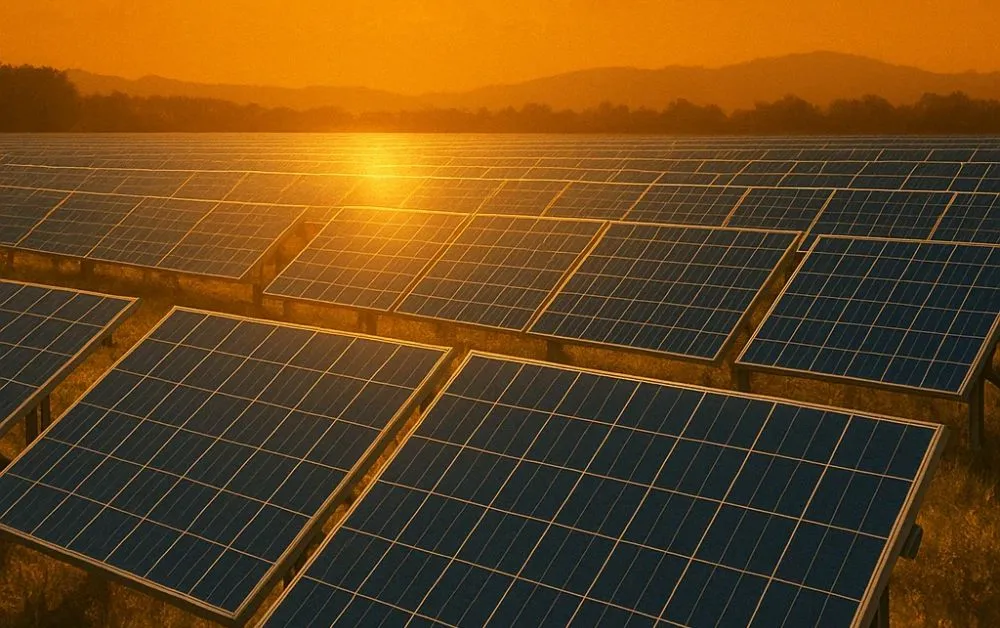
    Tanzania is endowed with abundant solar resources. The country is well-positioned to harness solar energy for domestic and industrial use, with an average solar irradiance of about 4.5–6.5 kWh/m²/day. The government and private sector have increasingly recognized this potential in recent years, leading to a significant rise in solar installations nationwide. This includes solar home systems, mini-grids, and institutional solar systems for schools, health centers, and public offices.

    At the heart of all these technologies is a solar energy firm that is meant to offer everything from solar panels and batteries to installation and maintenance. However, understanding the regulatory environment is behind every successful solar project.

    Key Regulatory Authorities

    To successfully launch and run a solar energy firm in Tanzania, it is vital to have an understanding of the roles played by key regulatory authorities:

    1. Energy and Water Utilities Regulatory Authority (EWURA): EWURA is the primary regulatory authority that licenses, approves tariffs, sets safety standards, and oversees energy-related activities. The firms have to get an operating permit from EWURA for any solar mini-grid or any scheme of energy distribution.
    2. Rural Energy Agency (REA): The REA supports rural electrification initiatives, often working with private companies. It administers grants and subsidies to facilitate solar energy projects in underserved areas.
    3. Tanzania Electric Supply Company (TANESCO): While TANESCO primarily focuses on grid electricity, its role intersects with solar mini-grids that may eventually be connected to the national grid. Coordination with TANESCO is necessary, especially for hybrid projects.
    4. Tanzania Investment Center (TIC): For foreign investors or large-scale projects, TIC offers investment facilitation services and can significantly assist in clearing bureaucratic bottlenecks.

    Licensing and Permit Requirements

    Getting licenses and permits is the first step in negotiating the regulatory environment. Here are the main steps a solar energy firm in Tanzania should undertake:

    1. Business Registration

    The process begins with registering the company via the Business Registration and Licensing Agency (BRELA). This entails selecting a business form—e.g., a limited company, partnership, or sole proprietorship—and acquiring a certificate of incorporation.

    2. Taxpayer Identification Number (TIN)

    All companies are required to register with the Tanzania Revenue Authority (TRA) to get a TIN. This is needed for legal and financial operations and tax payments.

    3. Sector License from EWURA

    For any solar project exceeding 1 MW in capacity or involving power generation and distribution, companies must obtain a license from EWURA. The application process includes submitting the following:

    • A feasibility studies
    • Environmental Impact Assessment (EIA) report
    • Technical and financial capability documents
    • Business plan and project description

    4. Environmental and Social Permits

    Projects that could significantly impact the environment require an Environmental and Social Impact Assessment (ESIA) approved by the National Environment Management Council (NEMC). This is especially important for solar farms, which may affect land use, vegetation, or water resources.

    5. Land Acquisition Permits

    Land is an essential aspect of a solar project. Companies should ensure interaction with all stakeholders at the local authority level and, as the case may be, with the Ministry of Lands, Housing, and Human Settlements Development to acquire land titles or lease agreements. Community engagement and consent are essential during rural projects.

    6. Import Permits and Standards Compliance

    Most of the solar equipment is imported. Consequently, a solar energy company in Tanzania ought to ensure observance of requirements with the TBS and must secure import permits wherever such a permit is required. Observance of quality standards ensures the safety and durability of solar systems.

    Challenges in Navigating Regulations

    Even though the frameworks are clear, the solar energy company in Tanzania faces some challenges:

    • Long Approval Processes: Bureaucratic processes will delay project implementation. Companies face lengthy waiting periods for license approval and permit processing.
    • Multiple Mandated Competencies: Government agencies may have overlapping regulatory competencies, causing confusion and duplication of efforts.
    • Prohibitive Cost for Small Firms: Expenses, including license acquisition, environmental impact assessment preparation, and compliance with technical standards, are costly to small or start-up solar firms.
    • Changing Policies: This involves monitoring constantly to comply, along with legal support.

    Streamlining and Opportunities for Support

    Streamlining the growth of the solar sector has become the concern of the Tanzanian government and its international partners through regulatory reforms, which include the following:

    • Mini-Grid Regulations: EWURA presented regulations to ease the licensing process for small power producers (SPPs) before entering rural areas.
    • Investment Incentives: Tax relief, exemptions on Value Added Tax on solar equipment, and entry into special economic zones are incentives the Tanzania Investment Center provides to eligible investors.
    • Technical Assistance Programs: Development agencies and donors offer training, capital, and policy assistance to enhance the regulatory environment.
    Streamlining and Opportunities for Support

    Conclusion

    The prospects for solar power in Tanzania are bright, with a growing need for clean and consistent electricity throughout the country. However, understanding and effectively navigating the regulatory and permitting process is non-negotiable for a solar energy company in Tanzania to thrive. By engaging with the proper authorities, fulfilling licensing requirements, and staying updated on policy changes, these companies can unlock vast opportunities while contributing to the nation’s energy transformation. As more players join the solar market, streamlined processes, supportive policies, and coordinated efforts shall be vital for mass-scale solar access for all Tanzanians.