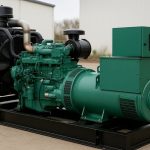
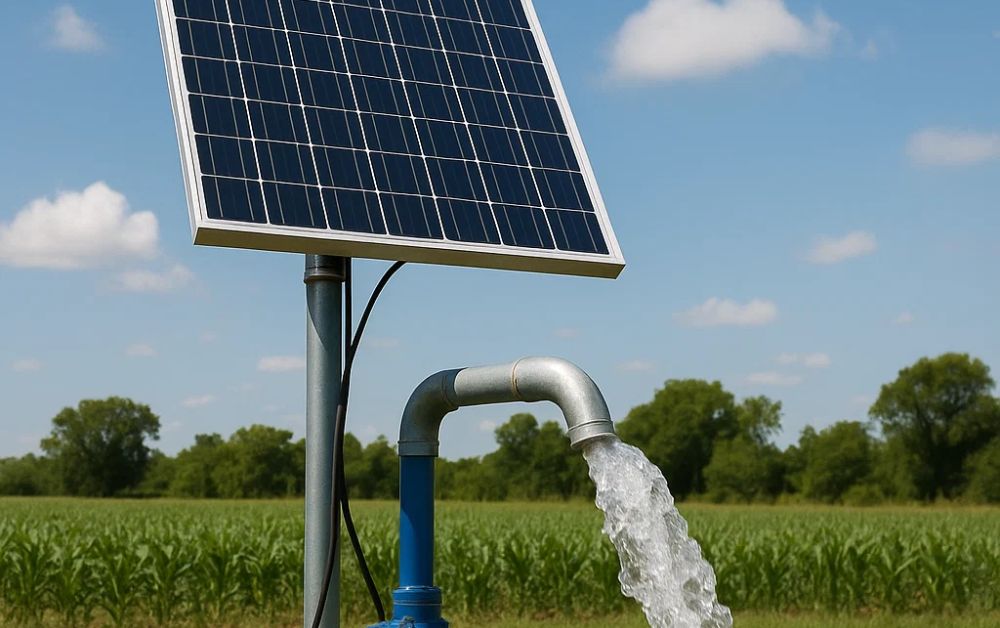
In today’s world of modern farming, efficient water management is key to achieving higher crop yields and maintaining sustainable agricultural practices. Traditionally, many farmers have relied on grid electricity or diesel-powered pumps for irrigation — both of which can be costly and environmentally harmful.
Now, solar water-pumping systems are transforming how farmers manage irrigation. By harnessing abundant solar energy, these systems offer a cleaner, more affordable, & more dependable way to irrigate crops, helping farmers save money while protecting the environment.
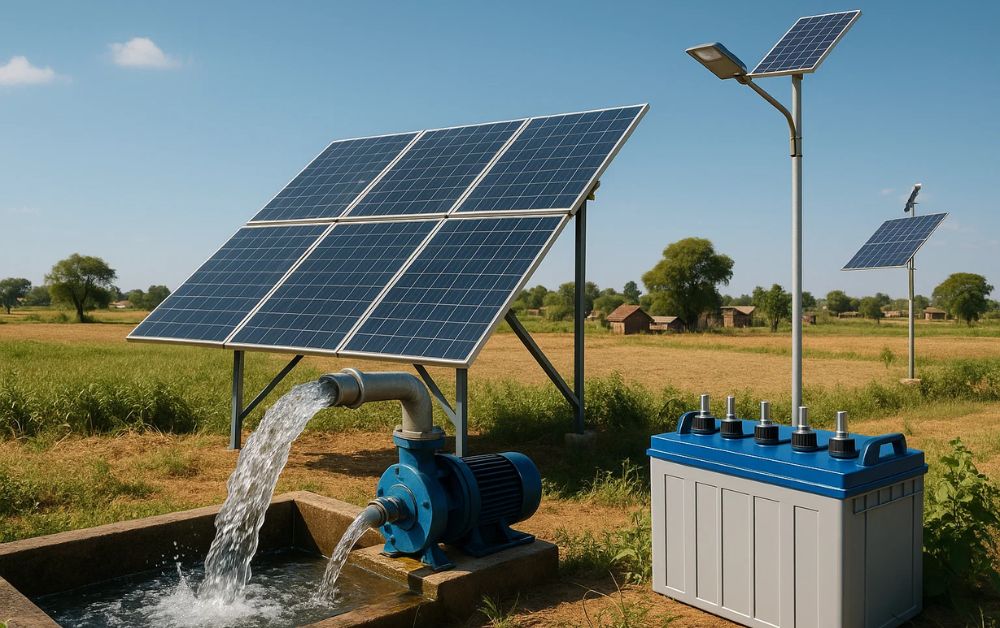
Cost-Effective Water Management
One of the most significant advantages of solar water pumps is their ability to lower ongoing irrigation costs. Unlike diesel pumps that constantly require fuel or electric pumps that increase monthly electricity bills, solar systems operate on free sunlight. Once installed, their operating costs are minimal.
Solar pumps also have fewer moving parts than conventional systems, meaning less wear and tear and lower maintenance costs. For both smallholder farmers and large commercial farms, this makes solar irrigation a wise, long-term financial investment.
Eco-Friendly and Sustainable Solution
Solar pumps provide a cleaner, greener alternative to traditional irrigation. By eliminating the need for fossil fuels, they drastically reduce greenhouse gas emissions & air pollution.
This shift to renewable energy not only supports Tanzania’s environmental goals but also aids farmers adopt sustainable agricultural practices. In many cases, using solar technology can even make farmers eligible for government incentives and grants that promote renewable energy use in agriculture.
Reliable and Consistent Water Supply
Reliable access to water is essential for healthy crops and steady yields. Solar water pumps are designed to deliver a consistent flow of water during daylight hours, perfectly aligning with irrigation schedules.
Even in remote or off-grid areas, solar systems offer dependable irrigation without relying on fuel deliveries or an unstable power supply. Many modern systems also include smart controllers that adjust water flow based on sunlight intensity, ensuring steady performance throughout the day.
Low Maintenance and Long Lifespan
One of the most significant pain points with diesel or electric pumps is maintenance — frequent servicing, oil changes, and mechanical breakdowns can disrupt farm operations. Solar pumps, however, are built for simplicity and durability.
With no fuel engines and fewer mechanical parts, they need very little maintenance beyond occasional cleaning of the panels and checking connections. This reliability lets farmers to focus more on their crops rather than on constant equipment upkeep.
Easy Installation and Flexibility
Solar water pumps are easy to install & can be adapted to different agricultural setups. Whether you’re drawing water from a borehole, river, or pond, these systems require minimal infrastructure.
They can also be integrated into existing irrigation networks such as drip or sprinkler systems, making them suitable for a wide range of crops and farm sizes. Plus, if your irrigation needs grow, solar systems can be expanded effortlessly — offering flexibility that traditional pumps can’t match.
Boosting Agricultural Productivity
A reliable and affordable water supply directly translates into better crop performance. With solar pumps, farmers can irrigate regularly without worrying about high energy costs or fuel shortages.
Consistent irrigation helps reduce crop stress during dry periods, leading to healthier plants and higher yields. Solar systems also support modern practices like precision irrigation, which ensures water is used efficiently and every drop counts — improving both productivity & sustainability.
Long-Term Financial Benefits
While the upfront investment for solar water pumps may seem higher than for traditional systems, the long-term returns are significant. Farmers save on fuel, electricity, and maintenance costs over time, & many systems have lifespans of 15 years or more.
These savings quickly add up, making solar irrigation a cost-effective choice in the long run. Additionally, with a reliable water supply, farmers can expand their cultivation area, grow more crops per year, and increase overall profitability.
Government Incentives and Support
Many governments, including Tanzania’s, are encouraging the shift to renewable energy in agriculture through subsidies, grants, and low-interest loans. Farmers adopting solar irrigation can often benefit from these programs, which help reduce initial installation costs & make solar systems even more accessible.
This growing support underscores the importance of solar energy in strengthening food security and promoting sustainable agricultural growth nationwide.
Scalable for All Farm Sizes
One of the most practical advantages of solar water pumps is scalability. Farmers can start small & expand their systems as their needs grow. The modular design of solar arrays allows for easy capacity upgrades without requiring a complete new setup.
Whether it’s a small family farm or a large commercial operation, solar pumping can adapt to changing irrigation demands — making it a future-proof solution for long-term agricultural success.
In Conclusion
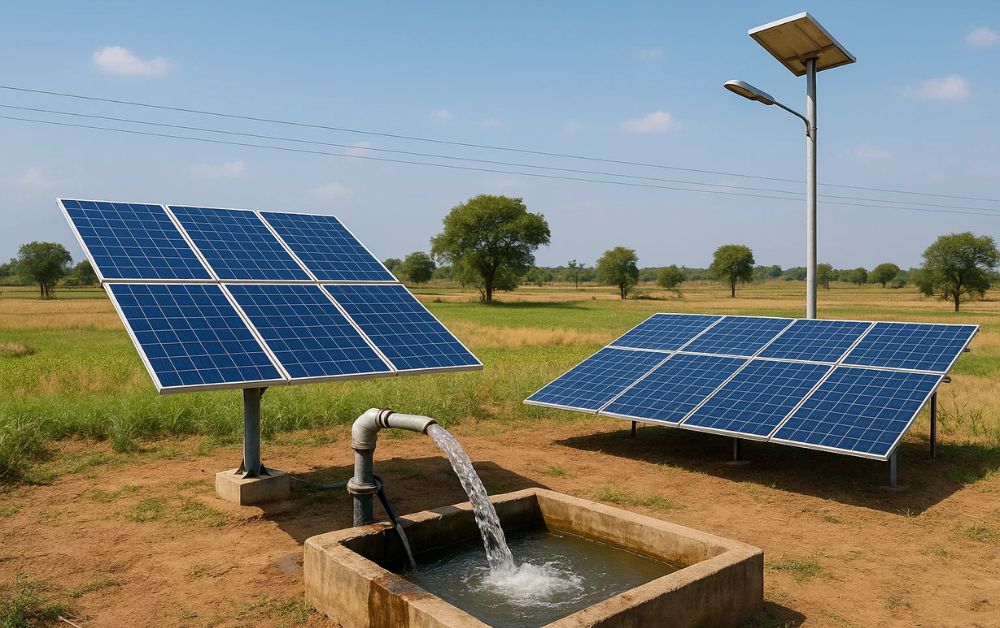
Solar water pumping systems are revolutionizing irrigation in Tanzania and beyond. They offer clear advantages — from cutting costs and reducing environmental impact to providing a consistent water supply and boosting farm productivity. For farmers & agribusinesses seeking dependable, sustainable irrigation solutions, TAMGO Tanzania Limited offers top-quality solar water pumping systems backed by expert support. With TAMGO, you can harness the power of the sun to grow more efficiently, sustainably, and profitably.