Category: Industrial Desalination System

  • Industrial Desalination Systems: Solutions for Tanzania’s Coastal and Saline Water Challenges

    Industrial Desalination Systems: Solutions for Tanzania’s Coastal and Saline Water Challenges

    Along Tanzania’s coastline and in areas with naturally saline groundwater, access to usable fresh water is a persistent challenge for industries, hotels, and communities alike. Industrial Desalination Systems provide a practical answer, converting seawater or brackish groundwater into water suitable for process use, drinking, or irrigation. This guide looks at how desalination works, where it is most valuable in Tanzania, and what industrial buyers should consider before investing in a system.
    Understanding Desalination Technology

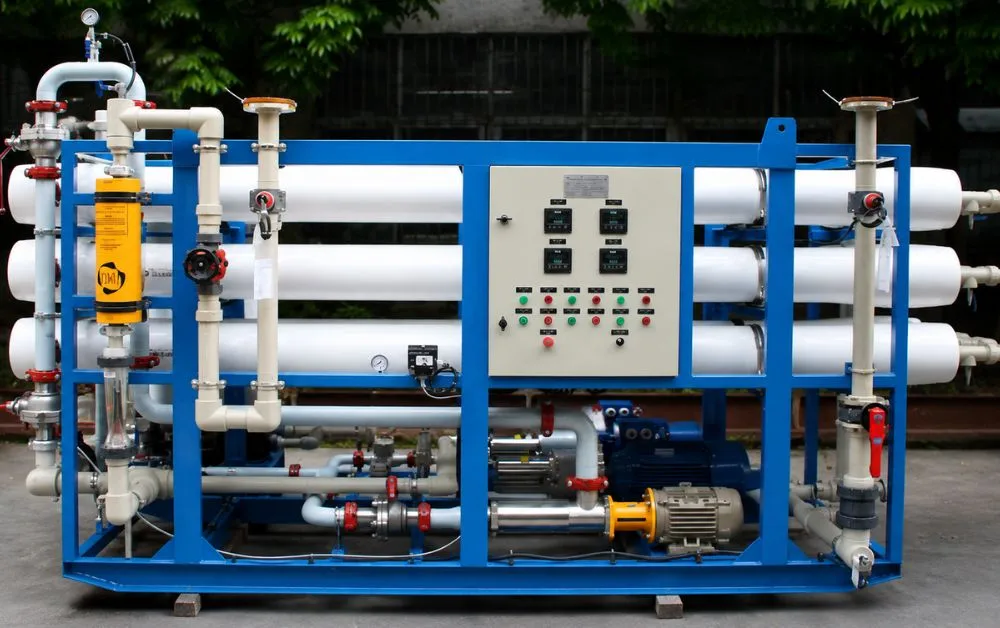
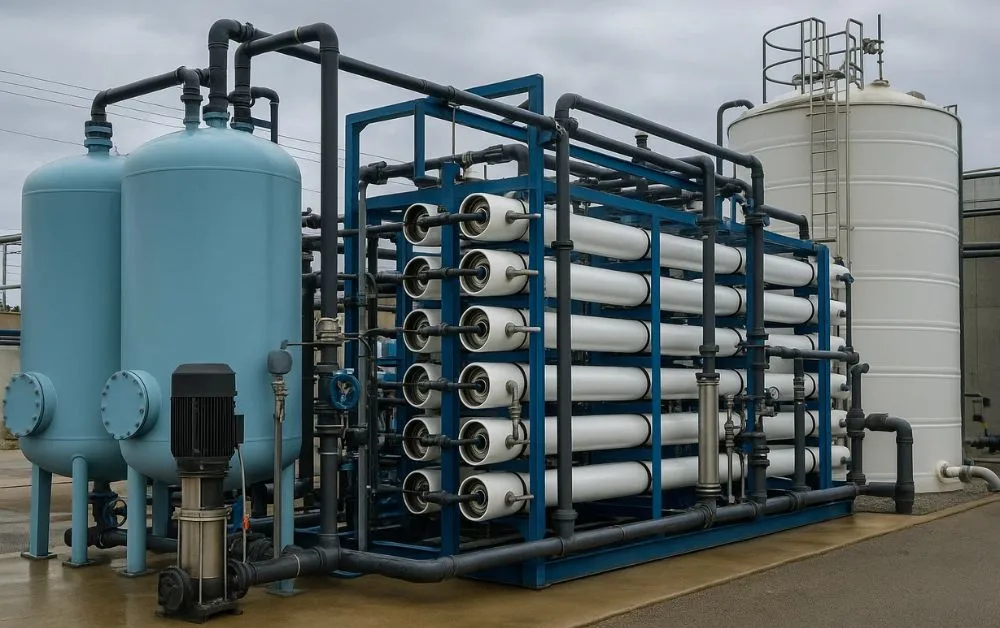
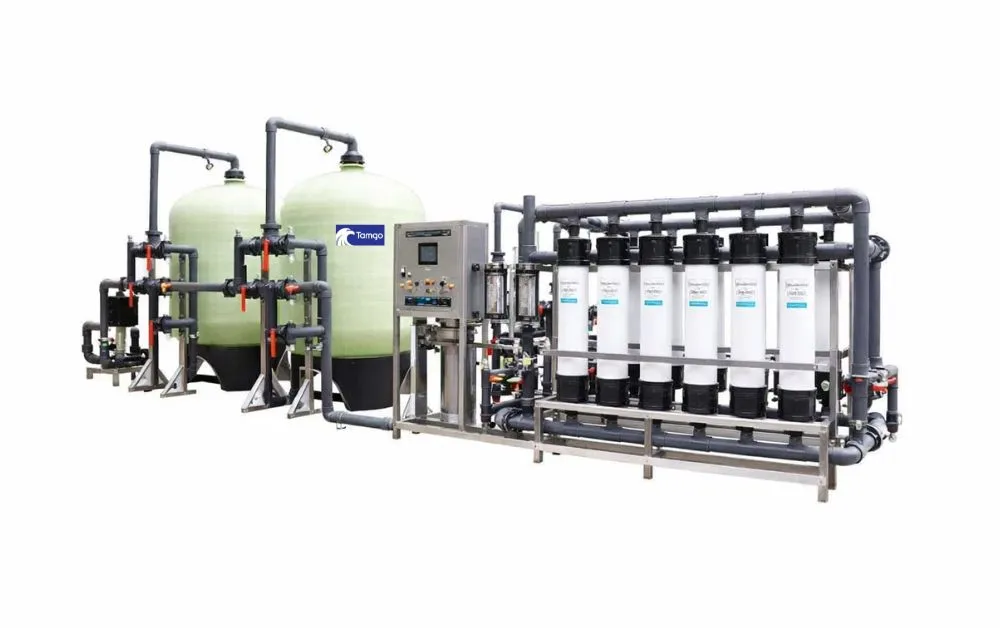
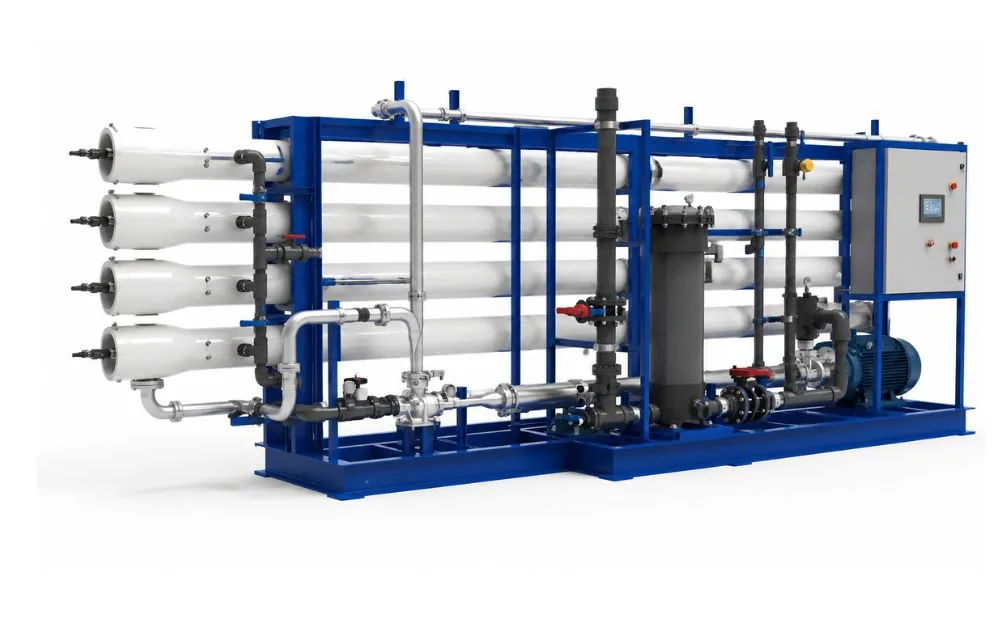
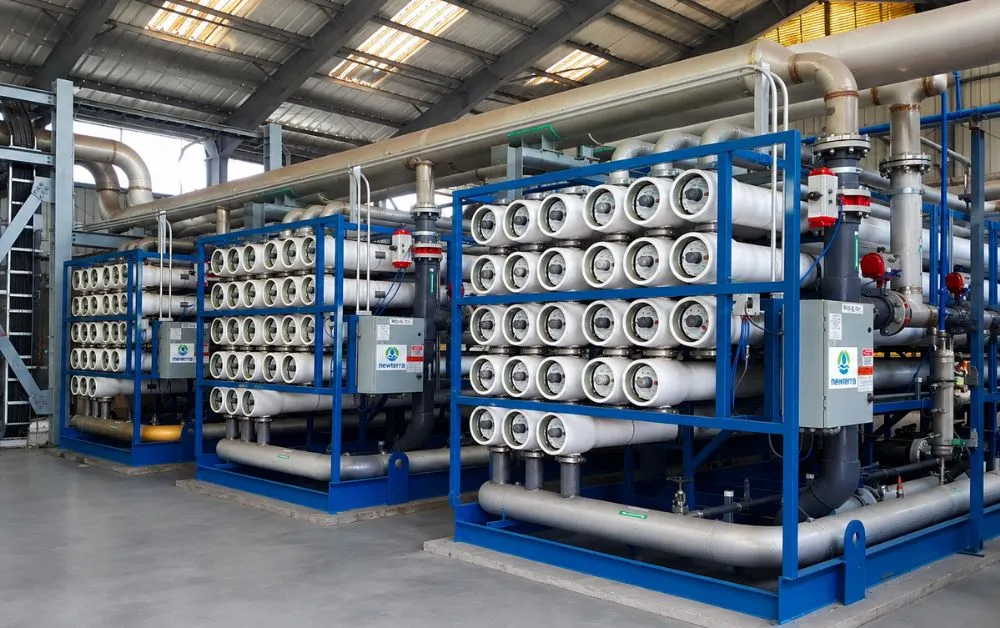
    Desalination removes dissolved salts from seawater or brackish water to produce fresh, usable water. The most common industrial method is reverse osmosis desalination, which forces saline water through semi-permeable membranes under high pressure, separating fresh permeate water from a concentrated brine reject stream. Thermal desalination methods, which evaporate and recondense water, are also used in some industrial settings, though reverse osmosis desalination is generally more energy-efficient for most Tanzania applications given current technology and energy costs.

    Where Desalination Is Needed Most in Tanzania

    Tanzania’s coastal areas, including Dar es Salaam, Zanzibar, and other coastal towns, often face saline intrusion into groundwater, particularly during dry seasons or in areas with heavy groundwater extraction. Island communities frequently have no practical fresh water source other than desalinated seawater or expensive water transport. Industrial facilities located near the coast for shipping or logistics access may find groundwater too saline for process use without desalination treatment. TAMGO designs desalination systems suited to these specific coastal and island water challenges.

    Industrial Applications for Desalinated Water

    Manufacturing facilities near coastal areas often need process water free of the high salt content that characterizes local groundwater, particularly for boiler feed, cooling, and product-contact applications. Hotels and resorts along the coast require reliable fresh water for guests without depending on expensive water trucking. Food and beverage producers near saline water sources need desalinated water that meets ingredient-grade quality standards. TAMGO designs desalination systems sized to the specific flow and quality requirements of each industrial application.

    Managing Brine Discharge Responsibly

    Every desalination system produces a concentrated brine reject stream that must be managed responsibly to avoid environmental harm to marine or soil ecosystems. Proper brine discharge design considers dilution with existing seawater outfalls where appropriate, controlled disposal methods that meet NEMC environmental requirements, and monitoring to ensure discharge does not damage sensitive coastal ecosystems over time. TAMGO incorporates responsible brine management into every industrial desalination system design, rather than treating it as an afterthought.

    Energy Considerations for Desalination Systems

    Desalination is more energy-intensive than standard water treatment because of the pressure needed to force water through desalination membranes. Energy recovery devices, which capture energy from the high-pressure reject stream and use it to reduce pump energy demand, significantly cut the overall energy cost of desalination operation. Correct pump selection and system design also reduce long-term energy consumption. TAMGO incorporates energy recovery technology and efficient system design into desalination projects to reduce the operating costs that accumulate over a system’s service life.

    Explore more-Key Components of an Efficient Industrial Desalination System

    Regulatory Considerations for Desalination Projects

    Industrial desalination projects in Tanzania need to account for both water quality standards and environmental discharge regulations. Product water quality must meet the standards required for its intended use, whether that is drinking water, boiler feed, or process ingredient water. Brine discharge must comply with NEMC environmental requirements to avoid harming coastal ecosystems or contaminating soil and groundwater near the discharge point. Coastal and island projects may also need to coordinate with local authorities on marine discharge locations. TAMGO factors these regulatory requirements into desalination system design from the earliest planning stages, rather than treating compliance as an afterthought.

    Planning for Future Capacity Needs

    Industrial water demand tends to grow as operations expand, and desalination systems designed without room for future capacity often need costly retrofits within a few years. It is worth discussing expected growth in water demand with your supplier at the design stage, so that pipework, pumps, and pre-treatment stages can accommodate future capacity additions without a complete system redesign. TAMGO designs desalination systems with practical expansion pathways in mind wherever a client’s growth plans make this a sensible consideration.

    Maintenance and Long-Term System Performance

    Desalination membranes face heavier fouling and scaling challenges than standard reverse osmosis systems due to the high salt concentrations involved, making pre-treatment and membrane care especially important. Regular chemical cleaning, antiscalants dosing, and pre-filtration all extend membrane life and maintain consistent water output quality. TAMGO provides maintenance support for the industrial desalination systems it installs, helping clients protect their investment over the long term.
    Conclusion

    Industrial Desalination Systems give Tanzania’s coastal industries, hotels, and communities a dependable way to access fresh water despite challenging local source water conditions. TAMGO provides the engineering expertise, responsible environmental design, and long-term support that make desalination a practical and sustainable water solution. Contact Tamgo Tanzania Limited today for an industrial desalination consultation.
  • Key Components of an Efficient Industrial Desalination System

    Key Components of an Efficient Industrial Desalination System

    Industrial desalination systems are critical in counteracting the issue of global water shortages, particularly in areas with limited freshwater resources. The systems are implemented throughout different industries, such as power, oil and gas, mining, and manufacturing, to offer a sustainable and dependable freshwater supply. As the thirst for clean water grows, the need for effective and affordable desalination systems has never been greater. This blog will discuss the major parts of an efficient industrial desalination system, how they work, and why they matter for optimum performance.

    1. Pre-treatment Unit

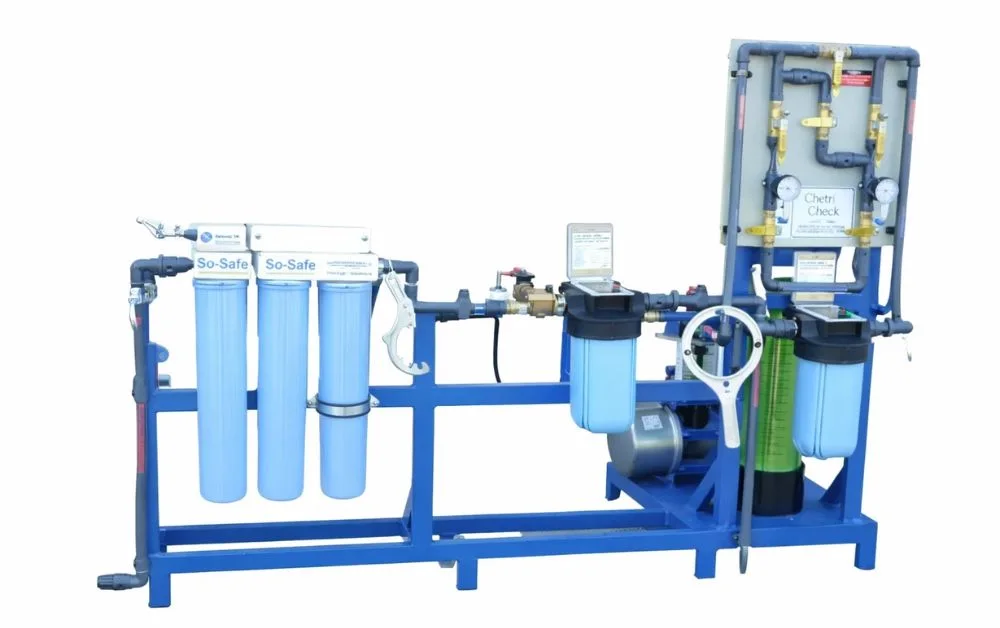
    Pre-treatment is one of the integral components of industrial desalination processes. The water must be pre-treated before the primary method of desalination to eliminate suspended solids, large particles, and organic compounds. This prevents fouling, scaling, or membrane or thermal unit damage.

    Some popular pre-treatment technologies include:

    • Filtration (sand filters, multimedia filters)
    • Chemical dosing (antiscalants, biocides, coagulants)
    • Sedimentation tanks
    • Ultrafiltration (UF) for more sophisticated treatment

    A well-designed pre-treatment system reduces operational costs, extends the life of downstream components, and improves overall efficiency.

    2. Desalination Core (RO or Thermal Technology)

    Industrial desalination systems primarily rely on their core desalination unit. It is the stage where the actual separation of salt from seawater or brackish water. This is divided into two primary methods:

    a. Reverse Osmosis (RO)

    RO is a membrane-based technology where pressurized feedwater is forced through semi-permeable membranes, separating salts and impurities. It is widely used due to its energy efficiency and compact footprint. Key components here include:

    • High-pressure pumps
    • Membrane modules
    • Pressure vessels
    • Energy recovery devices (ERDs)

    b. Thermal Desalination

    In thermal methods like MSF or MED, the salts get left behind once water is heated and evaporated. Fresh water is obtained after condensing the vapor. These systems prefer places with plentiful waste heat or steam.

    Whether to go with RO or thermal desalination depends upon feedwater quality, energy availability, and specific industrial requirements.

    3. Energy Recovery Systems

    Energy consumption is one of the significant operating costs in industrial desalination systems, especially in RO-based setups. Efficient systems incorporate Energy Recovery Devices (ERDs) that capture and reuse the hydraulic energy from the high-pressure brine stream.

    Types of ERDs include:

    • Pressure exchangers
    • Turbochargers
    • Pelton wheels

    Using ERDs, operators can reduce energy consumption by up to 60%, significantly lowering operating expenses and improving system sustainability.

    4. Post-Treatment Unit

    When the desalinated water is generated, it sometimes needs conditioning before its application to industrial processes. The post-treatment ensures that the water is of quality specification, including pH, mineral levels, and microbial quality.

    Post-treatment operations can include:

    • Remineralization (the addition of calcium and magnesium)
    • pH adjustment (by the addition of lime or CO₂)
    • Chlorination or UV disinfection
    • Deaeration or degassing

    This phase ensures that the water is clean and chemically normalized for its desired application, whether in cooling systems, boilers, or production lines.

    Explore more-The Role of Water Treatment in Enhancing Manufacturing Efficiency

    5. Brine Management System

    Desalination generates a highly concentrated waste stream known as Brine, which has to be dealt with responsibly to ensure minimal environmental effects. A sound brine management system is primely important in sustainable industrial desalination systems.

    Some of the standard brine disposal and management methods are:

    • Discharge into the sea with adequate dilution and dispersion
    • Crystallization or concentration of Brine
    • ZLD technologies
    • Reuse in other industrial processes.

    New technologies are coming up that could extract valuable minerals from Brine, convert waste into products, and make it economical.

    6. Control and Monitoring Systems

    Automation and real-time monitoring must be in place to ensure reliability and efficiency in industrial desalination systems. Modern systems have installed SCADA platforms and smart sensors, and they typically offer data for such parameters as flow rate, pressure, salinity, temperature, and membrane performance.

    The advantages of effective monitoring include the following:

    • Proactive maintenance
    • Energy efficiency reduction
    • Accurate reporting for legal compliance

    With the onset of Industry 4.0, IoT and AI-based analytics can further improve predictive maintenance and optimize system performance.

    7. Infrastructure and Materials

    Industrial desalination systems face severe salinity, pressure, and temperature conditions. The selection of materials for pipelines, tanks, membranes, and structures is critical to ensuring system durability and lifespan.

    Materials used are typically:

    • Duplex stainless steel
    • Super austenitic alloys
    • Titanium (in thermal units)
    • High-performance polymers

    Using corrosion-resistant and high-strength materials ensures minimal maintenance and a longer operational lifespan.

    Conclusion

    Industrial desalination systems are critical for supporting industries in water-scarce regions, helping ensure a steady supply of clean water for operational needs. An efficient system is not just about converting seawater to freshwater; it’s about optimizing every stage — from pre-treatment to post-treatment, energy recovery to brine management.

    By investing in advanced technologies, high-quality materials, and intelligent automation, industries can build desalination systems that are sustainable, cost-effective, and resilient. As global water demand rises, the efficiency and innovation within these key components will define the future of industrial water treatment.