Water management sits at the heart of modern construction, mining, and industrial operations. Whether it is a building site after heavy rain or a mine pit collecting groundwater, excess water can quickly become a serious challenge — delaying projects, damaging equipment, and even posing safety or environmental risks.
At the same time, industries are under growing pressure to operate sustainably, conserving natural resources while minimizing ecological impact. That is where dewatering pump systems step in — providing an effective way to remove, reuse, & responsibly manage water. These systems not only keep operations running smoothly but also help companies meet sustainability & compliance goals.
Here’s how dewatering systems contribute to efficient and environmentally responsible water management.
Managing Excess Water Efficiently
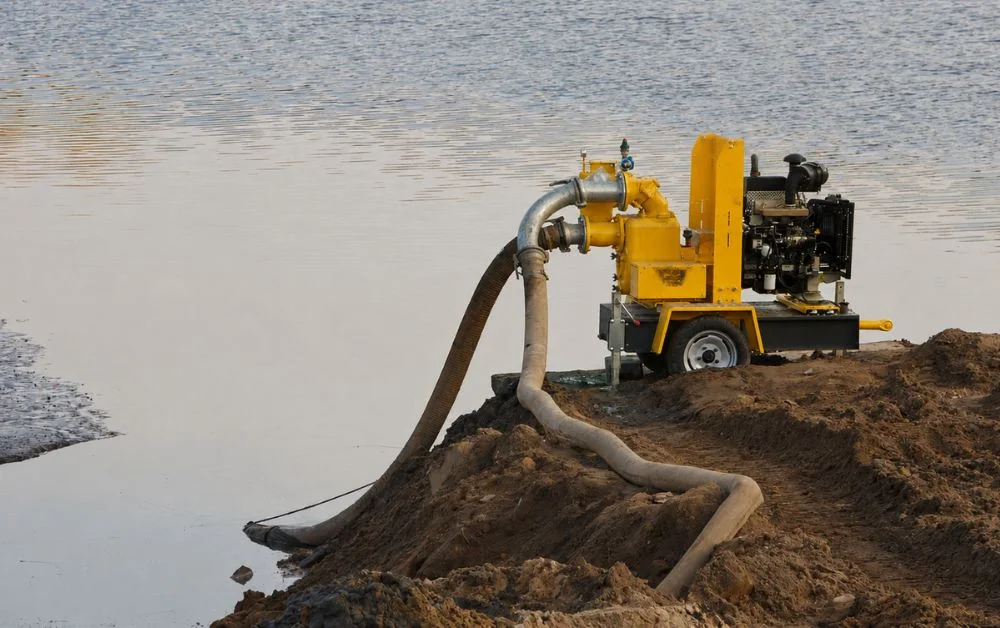
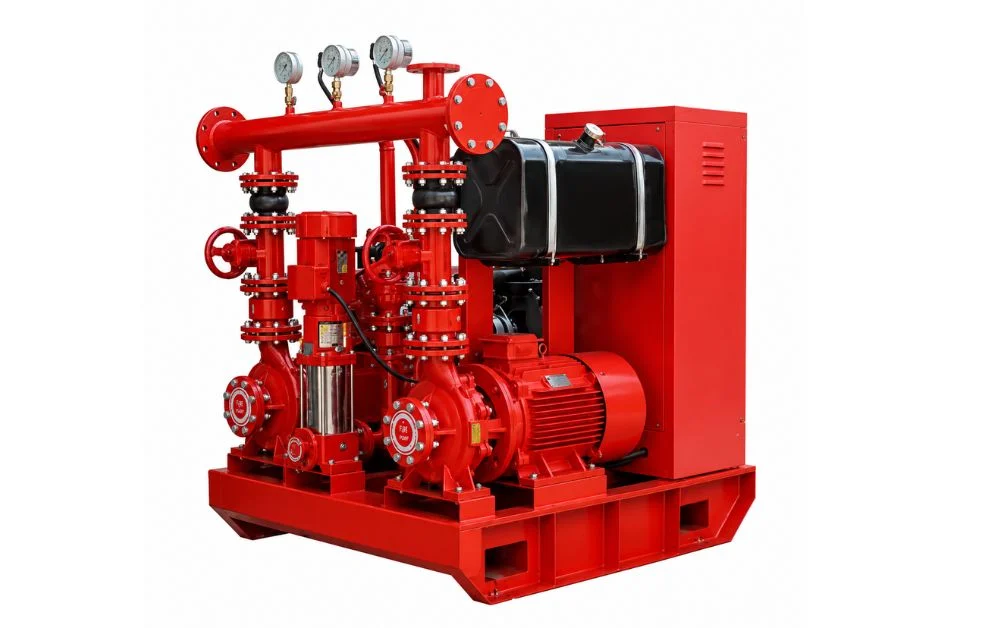
The most apparent benefit of dewatering systems is their ability to quickly and efficiently remove unwanted water from work areas. Whether it’s at a construction site, mining operation, or flood-prone area, these pumps prevent waterlogging, erosion, and structural damage.
By controlling water levels, dewatering systems maintain site stability and protect surrounding ecosystems from contamination or runoff — allowing projects to continue safely without disrupting the local environment.
Reducing Water Waste
In traditional operations, excess water is often pumped away and discarded without much thought. Dewatering systems change that approach by allowing better control over where the water goes and how it’s used.
Instead of losing valuable water to infiltration or improper discharge, these systems make it possible to redirect and store the water for later use. The same water can be recycled for activities like concrete mixing, cooling, or dust suppression — helping industries conserve fresh water and reduce overall consumption.
Supporting Water Recycling and Reuse
Modern dewatering setups often integrate filtration and storage systems, allowing collected water to be cleaned & reused. Once sediments or impurities are removed, the treated water can be repurposed for non-potable uses on-site.
This approach not only reduces reliance on external water sources but also lowers operational costs. Over time, it can even lead to closed-loop systems in which water is continuously treated and reused — a key step toward sustainable industrial practices.
Protecting Local Water Bodies
Uncontrolled discharge of dirty or sediment-filled water can pollute nearby rivers, lakes, or groundwater. Dewatering pumps aid prevent this by ensuring water is filtered, treated, or safely redirected before being released back into the environment.
This minimizes contamination, preserves aquatic ecosystems, & ensures compliance with environmental regulations. In short, dewatering systems allow industries to manage water responsibly — protecting both their operations and the communities around them.
Meeting Environmental Regulations
Across industries, compliance with environmental laws and discharge standards is a top priority. Dewatering systems help companies meet these obligations by providing precise, traceable, & controlled water management.
By monitoring flow rates, water quality, and treatment outcomes, companies can document their sustainability practices, avoid fines, & build trust with regulators and clients alike.
Optimizing Energy Use
Sustainability isn’t just about saving water — it is also about using energy wisely. Modern dewatering systems are built with energy efficiency in mind. Variable-speed drives and smart controllers automatically adjust pump performance based on water levels, preventing excess power waste.
This not only lowers energy bills but also reduces carbon emissions, helping industries meet their sustainability targets while maintaining effective water control.
Preventing Floods and Enhancing Site Safety
Flooded worksites are not only unproductive but also dangerous. Standing water can weaken foundations, create slippery surfaces, & damage machinery. Dewatering pumps quickly remove excess water, keeping the site dry and safe for workers & equipment.
Effective flood prevention also benefits nearby communities by preventing uncontrolled water discharge, aligning operational safety with broader environmental & social sustainability goals.
Promoting Long-Term Resource Sustainability
Water scarcity is an increasingly global issue, and industries play a significant role in responsible water use. By preventing wastage, enabling recycling, and protecting natural water bodies, dewatering systems aid preserve this finite resource for the future.
Sustainable water practices also improve operational resilience — reducing dependency on unpredictable water supplies and ensuring continuity even during shortages.
Creating Integrated Water Management Systems
The best results come when dewatering pumps are part of a larger site water management strategy. Linking them with sedimentation tanks, filtration systems, & storage reservoirs enables a closed-loop, data-driven approach to managing water.
This integration ensures that every drop is either reused, treated, or safely discharged — supporting both productivity and sustainability across the project lifecycle.
Related read:-How Dewatering Pumps Keep Construction Sites Dry and Safe?
Preventing Soil and Groundwater Contamination
When standing water mixes with oil, fuel, or chemicals on industrial sites, it can easily seep into the soil, leading to long-term contamination. Dewatering systems prevent this by removing water before pollutants can spread, and when combined with filtration units, they ensure cleaner discharge.
This helps protect nearby agricultural land, groundwater sources, and ecosystems — all while maintaining compliance with environmental safety standards.
Improving Ground Stability for Safe Construction
Excess water can weaken soil structure, making it unsuitable for construction or heavy equipment. By keeping the ground dry, dewatering pumps enhance soil stability, making sites safer for workers & more sustainable for long-term land use.
Stable ground not only supports immediate project wants but also preserves land integrity for future development, aligning with responsible construction practices.
Enabling Smarter, Data-Driven Water Management
Today’s dewatering systems often come with smart sensors that monitor water flow, energy use, and performance in real time. This data allows site managers to make informed decisions about pumping schedules, water reuse, and discharge timing.
With accurate monitoring, companies can optimize water use, prevent unnecessary pumping, and continuously improve their sustainability performance — ensuring that real data, not guesswork, informs water management decisions.
In Conclusion
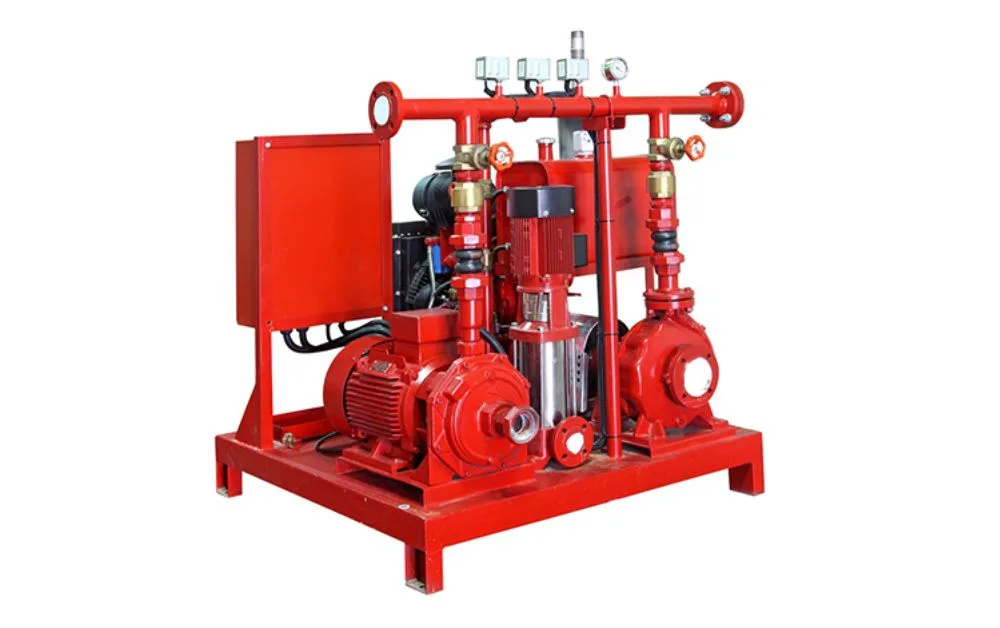
Dewatering pumps are far more than just tools for removing water — they are essential components of sustainable water management. By enabling efficient water removal, recycling, flood control, & energy optimization, they aid industries operate responsibly while protecting natural resources.
For companies and projects in Tanzania looking to improve both operational efficiency & environmental performance, TAMGO Tanzania Limited offers advanced dewatering pump systems tailored to local industrial and construction needs. With reliable technology and expert support, TAMGO aids you manage water more sustainably — keeping your projects productive, safe, and eco-friendly.